
Most shelves look stable on the day they are installed. They appear straight, level and secure. The illusion of...
- There are no more items in your cart
- Shipping
- Total £0.00
Latest posts
-
 Why some shelves fail over time: A structural perspective on design, load and longevityRead more
 -
 Wall-mounted storage in modern homes: How to design shelves that improve space instead of overloading itRead more
Modern interiors are moving away from heavy, floor-based storage. Large cabinets, tall units and bulky shelving...
-
 The architecture of shelving: How wall storage shapes space, structure and everyday livingRead more
Shelves are often treated as accessories. They are added at the end of a project, once the walls are painted and the...
-
 Design that lasts – What Valentine’s Day can teach us about choosing betterRead more
Valentine’s Day is often reduced to a single moment. A gift, a gesture, a short-lived expression meant to capture...
-
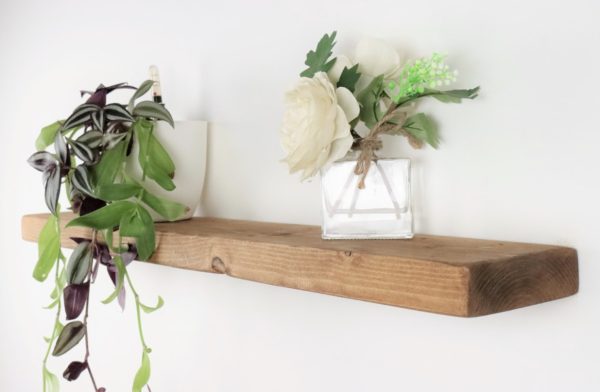 Designing storage for 2026 – A practical guide to shelving that will still make sense in ten yearsRead more
By 2026, storage is no longer treated as an afterthought. Homes are expected to work harder, adapt faster and stay...
-
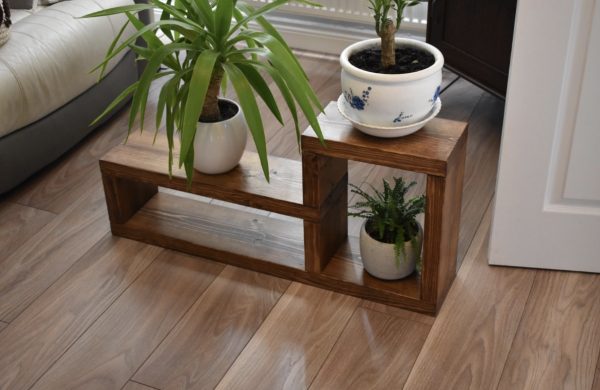 Designing for longevity – Why durability has become a design decisionRead more
For many years, interior design followed a predictable rhythm. Trends appeared, gained popularity and were quickly...
-
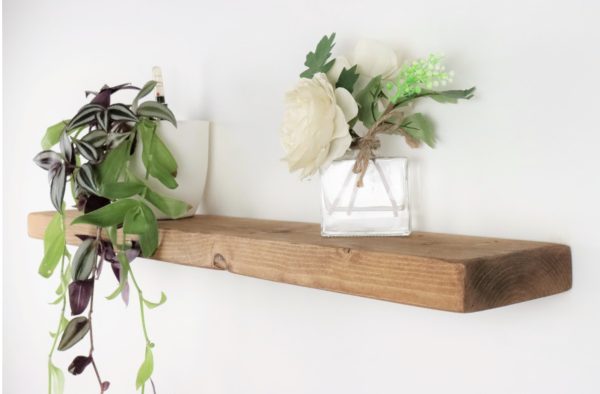 Walls as functional architecture in contemporary homesRead more
In contemporary interiors, walls are often reduced to a purely visual function. They are painted, styled or...
-
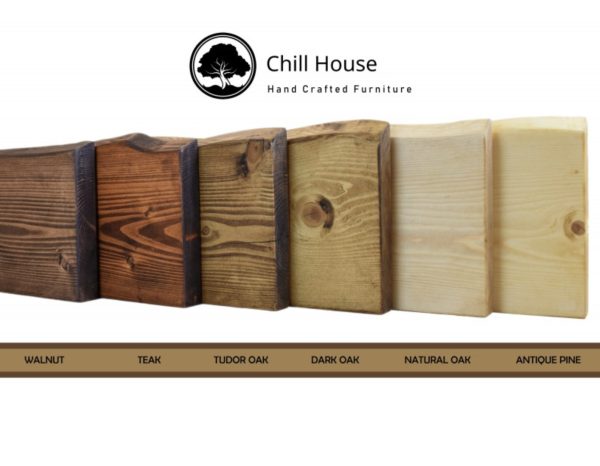 Why shelves fail and what actually makes them lastRead more
Most shelves don’t fail suddenly. They fail slowly. First they look fine, then they begin to dip slightly in the...
-
 What makes a home feel finished – Even when it’s simpleRead more
There are homes that feel finished the moment you walk in, even though they are not full of furniture or decoration....
-
 Why good shelving changes how a home feels – Even when you don’t notice itRead more
Most homes don’t feel unfinished because they lack furniture. They feel unfinished because nothing connects the space...
Blog categories
Search in blog
Why wood has always belonged in our homes
List of Contents
- Wood as one of the first building materials
- The evolution of wooden furniture
- Why shelves became permanent elements of interiors
- Industrialisation and the shift away from real wood
- The return to solid wood in modern homes
- Why wood still feels right today
- Shelves as quiet architectural elements
- Why choosing real wood is a long-term decision
- Conclusion
Wood as one of the first building materials
Long before interiors were designed, styled or planned, wood was already part of human shelters. It was available, workable and strong enough to shape everyday life. Early homes relied on wooden structures, wooden storage and simple surfaces made to hold tools, food and personal objects. These early forms were not decorative. They were practical, honest and built to last as long as the material allowed.
Over time, wood became more than just a solution. It became familiar. Its texture, warmth and natural variation were part of daily life, which is why even today wood in interiors feels instinctively right. It connects modern homes with something much older than trends.
The evolution of wooden furniture
As societies developed, wooden furniture evolved with them. Simple planks turned into tables, benches, chests and eventually shelves fixed directly to walls. In medieval homes, wall-mounted wooden boards were used to store tools, books and everyday objects. These were the first functional wooden shelves, created out of necessity rather than design.
What’s important is that these early shelves were always made from solid wood. There was no concept of engineered boards or artificial materials. Furniture was built from what was available and durable. The idea of something bending, swelling or breaking quickly was unacceptable because replacing furniture was not easy.
Why shelves became permanent elements of interiors
As homes became more structured, shelves stopped being temporary solutions and became permanent architectural elements. Built into walls or mounted above workspaces, shelves helped organise space vertically. This allowed rooms to function better without becoming overcrowded.
The concept behind shelves has never changed. A shelf is a horizontal line that brings order. It creates a place for objects while keeping the floor clear. Even in historical interiors, shelves were used to balance space visually and practically. This is exactly the same reason why wooden wall shelves are still relevant today.
Industrialisation and the shift away from real wood
The industrial revolution changed furniture production forever. Speed, cost and mass production became priorities. This is when engineered boards, veneers and composite materials appeared. Furniture became cheaper and more accessible, but it also became less durable.
For decades, many homes moved away from solid wood. Furniture was lighter, thinner and designed to be replaced rather than repaired. Shelves became disposable items. They looked fine at first but rarely lasted long. This shift created a clear difference between furniture that was built to last and furniture that was built to sell quickly.
The return to solid wood in modern homes
In recent years, there has been a clear move back towards solid wood furniture. This isn’t driven by nostalgia. It’s driven by experience. People noticed that cheaper materials age poorly, while real wood improves with time. Scratches can be sanded, surfaces can be refreshed and the structure stays strong.
Modern interiors favour simple forms, clean lines and fewer objects. In this context, wood fits perfectly. A single solid wood shelf provides function, warmth and visual balance without needing additional decoration. This is why handmade wooden shelves have returned as a core element in contemporary interiors.
Why wood still feels right today
There is a reason wood doesn’t feel outdated. Unlike synthetic materials, wood changes slightly over time. Light affects it. Use affects it. These changes don’t damage the material. They add character. This makes wooden furniture feel personal rather than static.
In modern homes filled with flat surfaces and neutral colours, wood introduces depth. A shelf made from real timber breaks the uniformity of walls and creates a natural focal point. This is not a trend. It’s a continuation of how wood has always been used in living spaces.
Shelves as quiet architectural elements
A shelf is often overlooked because it’s simple. But simplicity is exactly what gives it power. A wooden shelf creates structure without noise. It frames a wall. It gives objects a place. It supports daily life without demanding attention.
Historically, shelves existed because they were needed. Today, they exist because they work. The form hasn’t changed, only the context. In both cases, wood remains the most logical material because it combines strength, warmth and longevity.
Why choosing real wood is a long-term decision
Choosing solid wood is not about following a style. It’s about choosing a material that behaves predictably, ages well and remains useful for decades. Unlike composite boards, wood doesn’t rely on glue or layers to hold its shape. Its strength comes from its structure.
This is why wooden shelves can be moved, reused and restyled across different homes and interiors. They adapt rather than expire. Historically, furniture was passed down. Modern solid wood pieces allow for the same possibility.
Conclusion
Wood has always been part of how we live. From the first shelters to modern interiors, it has proven itself as a reliable, adaptable and timeless material. Shelves are one of the simplest expressions of this relationship. They serve the same purpose today as they did centuries ago: to organise space, support daily life and bring balance to a room.
Choosing solid wood shelves is not a return to the past. It’s a continuation of a material choice that has always made sense. When something works for hundreds of years, it usually means it doesn’t need reinventing.
Posted in:
Default category
Related posts
-
 5 creative ways to style wooden shelves in Your home
Wooden shelves can bring a whole new vibe to your room. With a few creative ideas, even the plainest shelf can become...Read more
5 creative ways to style wooden shelves in Your home
Wooden shelves can bring a whole new vibe to your room. With a few creative ideas, even the plainest shelf can become...Read more -
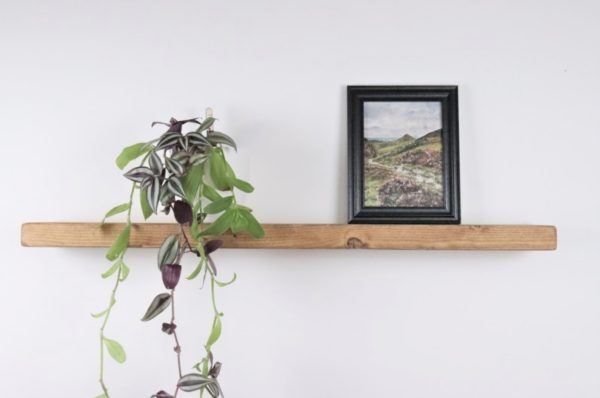 No more boring shelves - here’s how to make them look amazing
At Chill House, we’re all about making spaces feel cozy, stylish, and effortless. And one of the easiest ways to do...Read more
No more boring shelves - here’s how to make them look amazing
At Chill House, we’re all about making spaces feel cozy, stylish, and effortless. And one of the easiest ways to do...Read more -
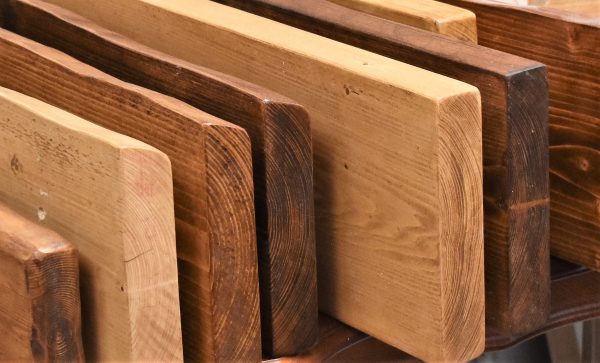 Why your home doesn’t feel right and how to fix i
Sometimes, you walk into a room and feel like something is missing. Maybe it looks too empty, too cluttered, or just...Read more
Why your home doesn’t feel right and how to fix i
Sometimes, you walk into a room and feel like something is missing. Maybe it looks too empty, too cluttered, or just...Read more -
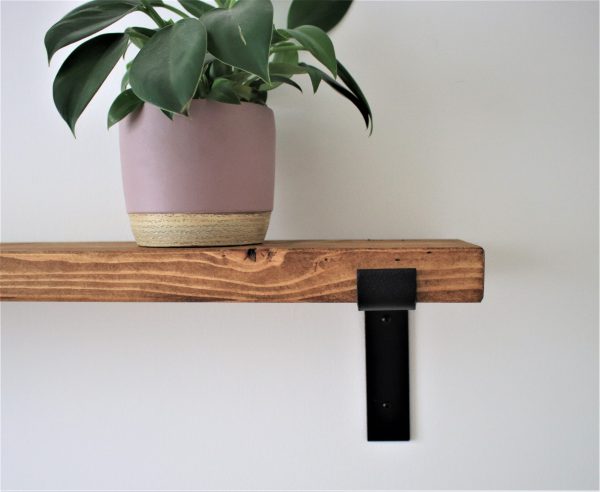 How to make your home feel more stylish without spending a fortune
You don’t need a huge budget to make your home look stylish and inviting. With a few smart tricks, you can refresh...Read more
How to make your home feel more stylish without spending a fortune
You don’t need a huge budget to make your home look stylish and inviting. With a few smart tricks, you can refresh...Read more -
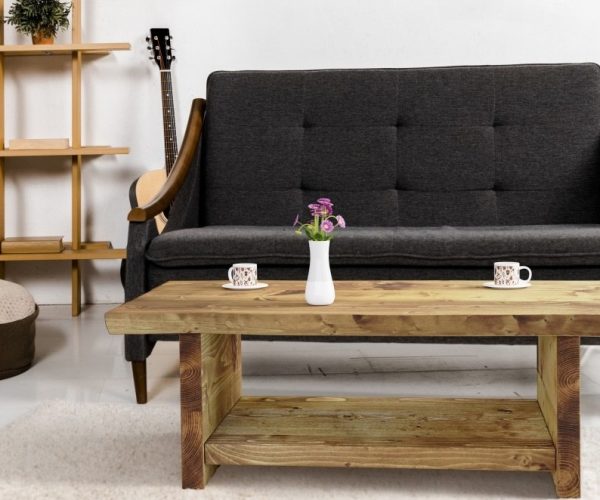 How to transform any corner into a cozy reading have
There’s something magical about curling up with a good book in a cozy nook. Whether you’re escaping into a novel or...Read more
How to transform any corner into a cozy reading have
There’s something magical about curling up with a good book in a cozy nook. Whether you’re escaping into a novel or...Read more
Every Chill House shelf is handmade to your length in our Middlesbrough workshop, with free UK delivery.
Leave a comment