
Most shelves look stable on the day they are installed. They appear straight, level and secure. The illusion of...
- There are no more items in your cart
- Shipping
- Total £0.00
Latest posts
-
 Why some shelves fail over time: A structural perspective on design, load and longevityRead more
-
 Wall-mounted storage in modern homes: How to design shelves that improve space instead of overloading itRead more
Modern interiors are moving away from heavy, floor-based storage. Large cabinets, tall units and bulky shelving...
-
 The architecture of shelving: How wall storage shapes space, structure and everyday livingRead more
Shelves are often treated as accessories. They are added at the end of a project, once the walls are painted and the...
-
 Design that lasts – What Valentine’s Day can teach us about choosing betterRead more
Valentine’s Day is often reduced to a single moment. A gift, a gesture, a short-lived expression meant to capture...
-
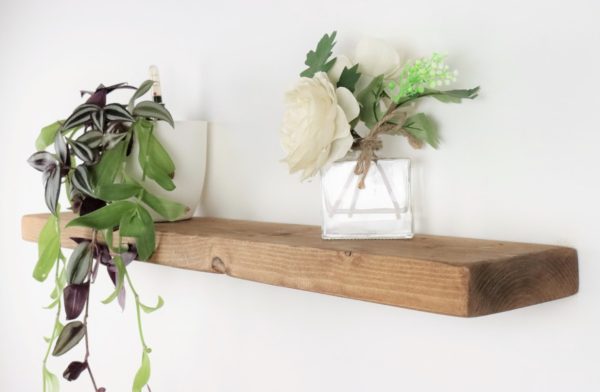 Designing storage for 2026 – A practical guide to shelving that will still make sense in ten yearsRead more
By 2026, storage is no longer treated as an afterthought. Homes are expected to work harder, adapt faster and stay...
-
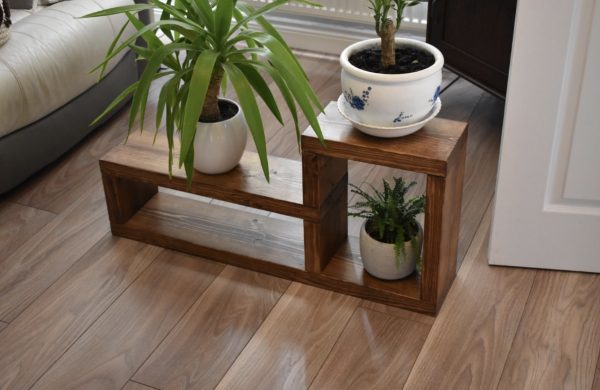 Designing for longevity – Why durability has become a design decisionRead more
For many years, interior design followed a predictable rhythm. Trends appeared, gained popularity and were quickly...
-
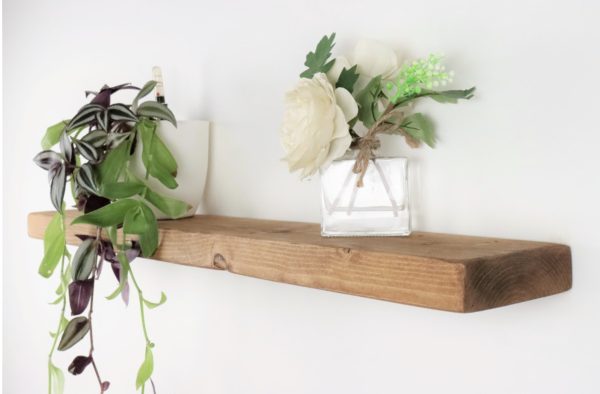 Walls as functional architecture in contemporary homesRead more
In contemporary interiors, walls are often reduced to a purely visual function. They are painted, styled or...
-
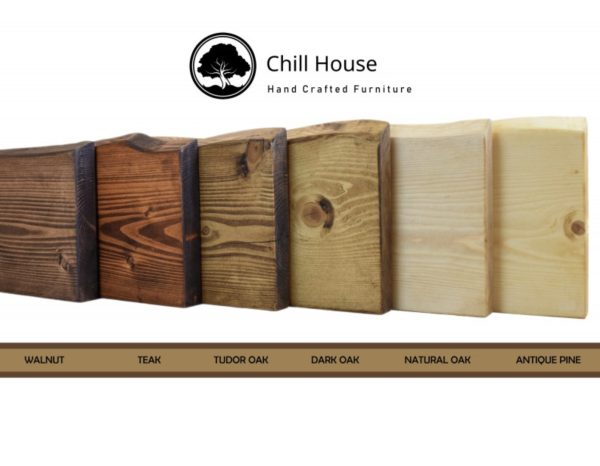 Why shelves fail and what actually makes them lastRead more
Most shelves don’t fail suddenly. They fail slowly. First they look fine, then they begin to dip slightly in the...
-
 What makes a home feel finished – Even when it’s simpleRead more
There are homes that feel finished the moment you walk in, even though they are not full of furniture or decoration....
-
 Why good shelving changes how a home feels – Even when you don’t notice itRead more
Most homes don’t feel unfinished because they lack furniture. They feel unfinished because nothing connects the space...
Blog categories
Search in blog
Design that lasts – What Valentine’s Day can teach us about choosing better
- Valentine’s Day beyond symbolism
- Temporary gestures versus lasting decisions
- What long-term thinking really means
- Trust, consistency and everyday reliability
- Why quality deepens with time
- Designing for permanence instead of excitement
- The quiet value of things that stay
- Final thoughts on choosing what lasts
Valentine’s Day beyond symbolism
Valentine’s Day is often reduced to a single moment. A gift, a gesture, a short-lived expression meant to capture attention for a day. While there is nothing wrong with symbolism, it rarely reflects what truly defines meaningful relationships. What lasts is not the gesture itself, but what happens consistently before and after it.
The same principle applies to how we design and furnish our homes. Spaces built around momentary appeal quickly lose relevance. Those designed with intention, restraint and long-term thinking grow stronger over time.
Temporary gestures versus lasting decisions
There is a clear difference between choosing something because it looks good today and choosing something because it will continue to make sense tomorrow. Temporary decisions often prioritise excitement. Lasting decisions prioritise reliability.
In design, this distinction becomes visible through materials, proportions and construction. Elements that rely on surface-level appeal tend to age poorly. Those built on solid foundations gain character rather than losing value. Over time, this difference becomes impossible to ignore.
What long-term thinking really means
Long-term thinking does not mean resisting change. It means choosing elements that adapt rather than fail when life evolves. Homes change, routines shift and needs grow. Design that lasts supports this process quietly.
This approach requires patience. It favours fewer decisions made well over many decisions made quickly. Instead of replacing, adjusting or compensating, the space remains dependable.
Trust, consistency and everyday reliability
Trust is built through repetition. In relationships, it comes from actions that align with promises. In design, it comes from elements that behave as expected day after day.
A shelf that stays straight. A material that handles daily use without complaint. A solution that doesn’t demand attention. These are not dramatic qualities, but they are essential ones. Over time, they form the foundation of comfort and confidence within a space.
Quality is often misunderstood as immediate perfection. In reality, true quality reveals itself gradually. Materials that age naturally, constructions that remain stable and proportions that continue to feel right all contribute to this effect.
Instead of becoming obsolete, well-designed elements integrate more deeply into daily life. They stop being noticed and start being relied upon. This quiet progression is what makes quality meaningful.
Designing for permanence instead of excitement
Excitement is fleeting. Permanence requires intention. Design choices driven solely by novelty tend to demand constant renewal. In contrast, decisions grounded in function, durability and restraint remain relevant without effort. They don’t compete for attention or require explanation.
Designing for permanence does not mean sacrificing beauty. It means allowing beauty to emerge through use rather than initial impact.
The quiet value of things that stay
Some of the most valuable elements in a home are those that simply stay. They do not need replacing, upgrading or rethinking. They become part of the structure of daily life. This quiet presence is often overlooked because it does not announce itself. Yet it is precisely this reliability that creates spaces people feel comfortable returning to.
Final thoughts on choosing what lasts
Valentine’s Day is a reminder, not of grand gestures, but of the value of commitment. In relationships and in design, what truly matters is not intensity, but continuity.
Choosing what lasts is an act of confidence. It reflects trust in materials, in decisions and in the idea that good things grow stronger over time. Whether in a home or elsewhere, these choices shape experiences long after the moment has passed. Design that lasts does not try to impress. It stays and that is its strength.
Posted in:
Default category
Related posts
-
 5 creative ways to style wooden shelves in Your home
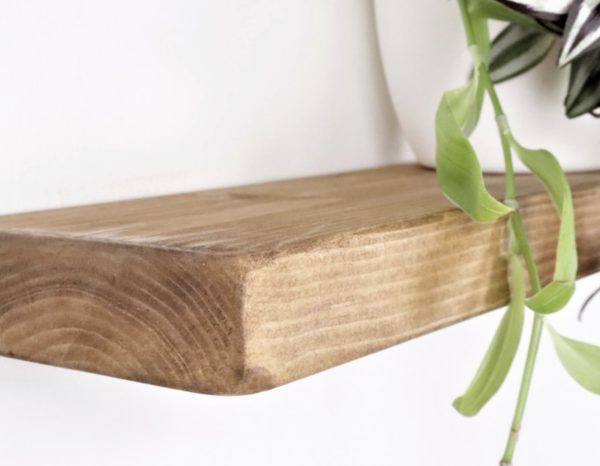
Wooden shelves can bring a whole new vibe to your room. With a few creative ideas, even the plainest shelf can become...Read more
-
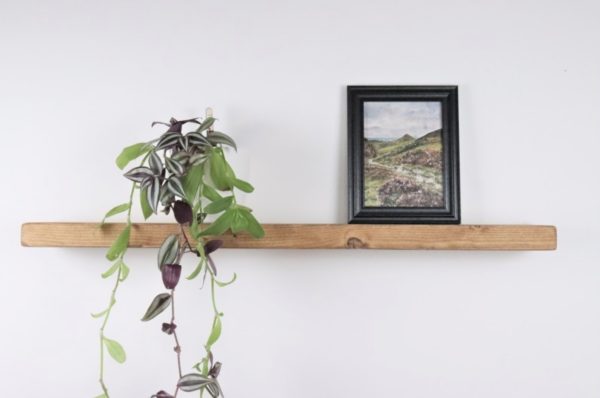 No more boring shelves - here’s how to make them look amazing
At Chill House, we’re all about making spaces feel cozy, stylish, and effortless. And one of the easiest ways to do...Read more
-
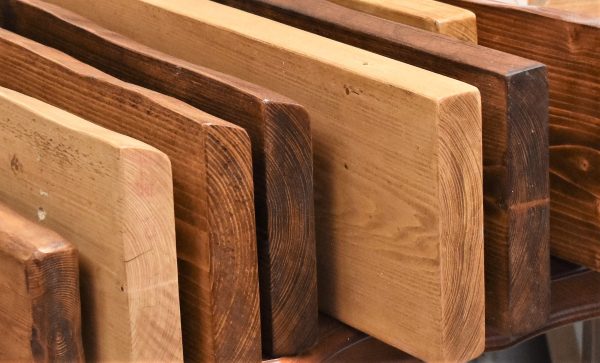 Why your home doesn’t feel right and how to fix i
Sometimes, you walk into a room and feel like something is missing. Maybe it looks too empty, too cluttered, or just...Read more
-
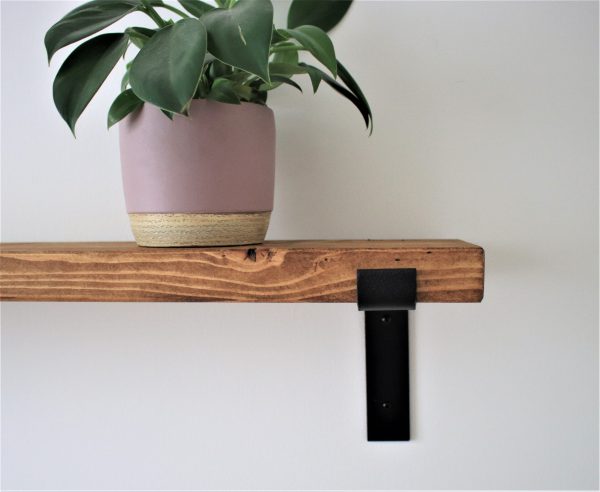 How to make your home feel more stylish without spending a fortune
You don’t need a huge budget to make your home look stylish and inviting. With a few smart tricks, you can refresh...Read more
-
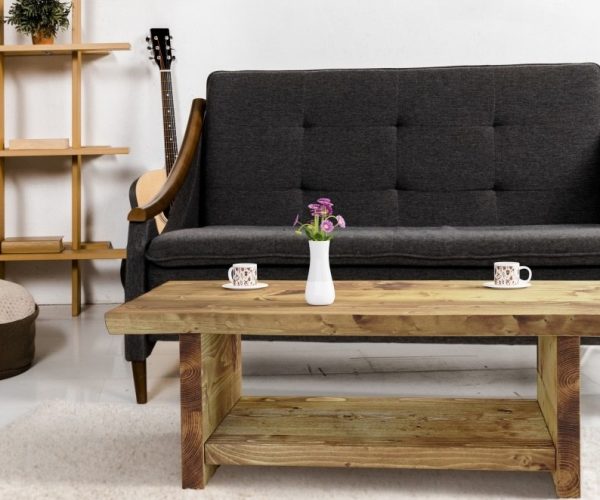 How to transform any corner into a cozy reading have
There’s something magical about curling up with a good book in a cozy nook. Whether you’re escaping into a novel or...Read more
Every Chill House shelf is handmade to your length in our Middlesbrough workshop, with free UK delivery.
Leave a comment