
Most shelves look stable on the day they are installed. They appear straight, level and secure. The illusion of...
- There are no more items in your cart
- Shipping
- Total £0.00
Latest posts
-
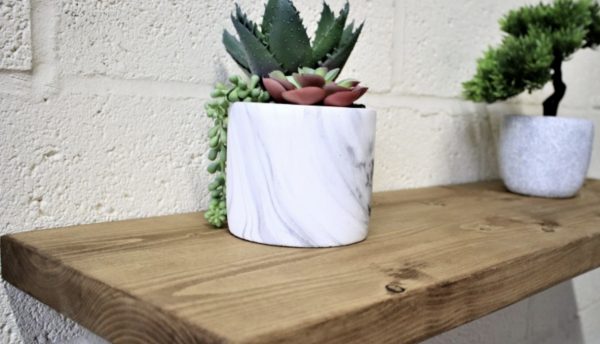 Why some shelves fail over time: A structural perspective on design, load and longevityRead more
-
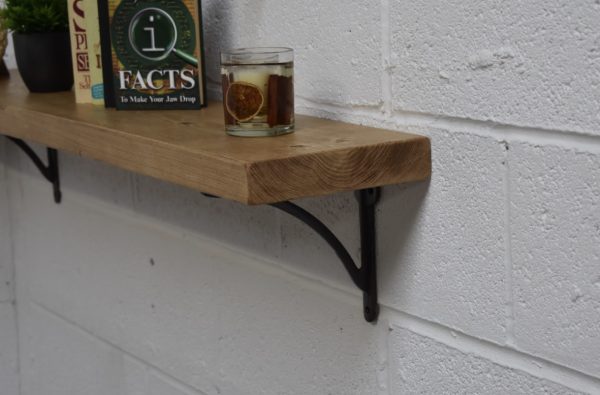 Wall-mounted storage in modern homes: How to design shelves that improve space instead of overloading itRead more
Modern interiors are moving away from heavy, floor-based storage. Large cabinets, tall units and bulky shelving...
-
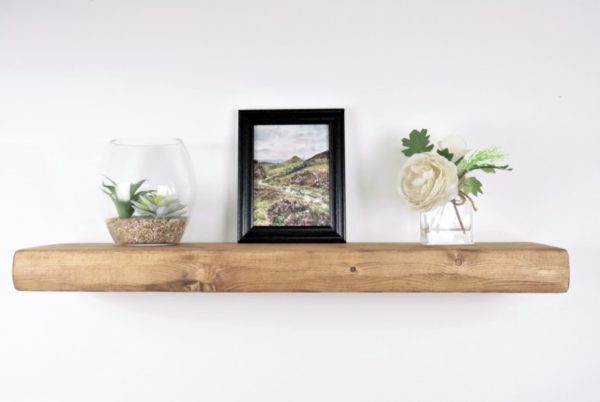 The architecture of shelving: How wall storage shapes space, structure and everyday livingRead more
Shelves are often treated as accessories. They are added at the end of a project, once the walls are painted and the...
-
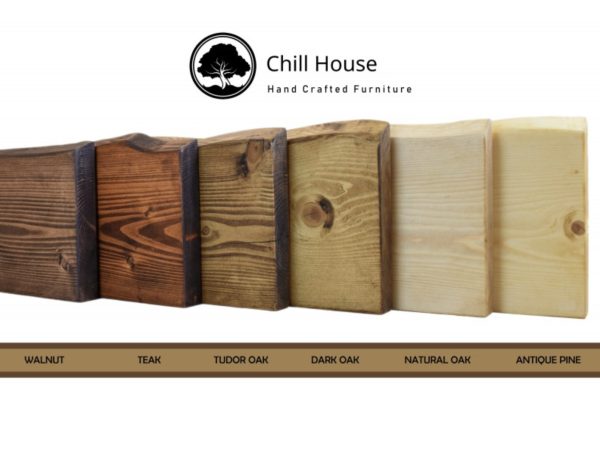 Design that lasts – What Valentine’s Day can teach us about choosing betterRead more
Valentine’s Day is often reduced to a single moment. A gift, a gesture, a short-lived expression meant to capture...
-
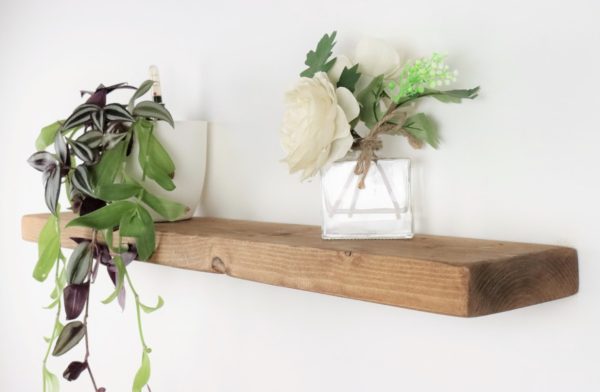 Designing storage for 2026 – A practical guide to shelving that will still make sense in ten yearsRead more
By 2026, storage is no longer treated as an afterthought. Homes are expected to work harder, adapt faster and stay...
-
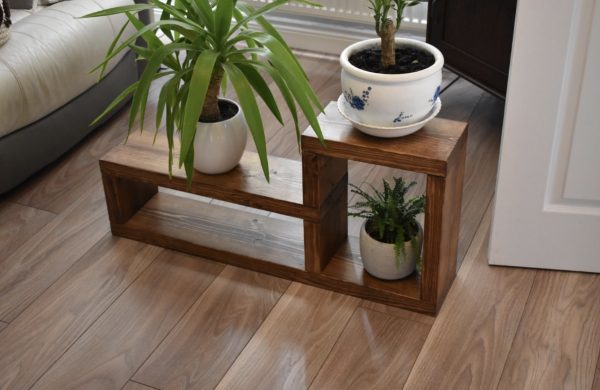 Designing for longevity – Why durability has become a design decisionRead more
For many years, interior design followed a predictable rhythm. Trends appeared, gained popularity and were quickly...
-
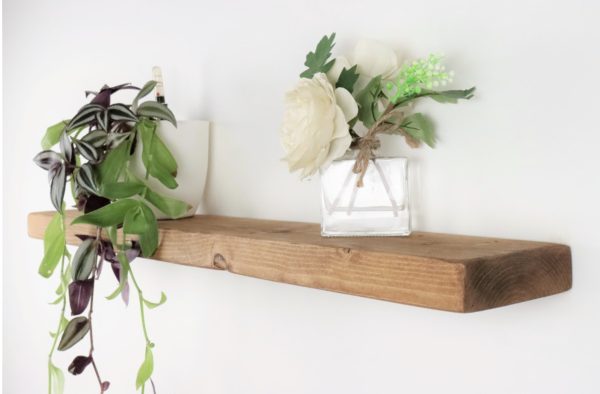 Walls as functional architecture in contemporary homesRead more
In contemporary interiors, walls are often reduced to a purely visual function. They are painted, styled or...
-
 Why shelves fail and what actually makes them lastRead more
Most shelves don’t fail suddenly. They fail slowly. First they look fine, then they begin to dip slightly in the...
-
 What makes a home feel finished – Even when it’s simpleRead more
There are homes that feel finished the moment you walk in, even though they are not full of furniture or decoration....
-
 Why good shelving changes how a home feels – Even when you don’t notice itRead more
Most homes don’t feel unfinished because they lack furniture. They feel unfinished because nothing connects the space...
Blog categories
Search in blog
Why some shelves fail over time: A structural perspective on design, load and longevity
Table of Contents
- The illusion of stability
- Load is cumulative, not immediate
- Span length and deflection
- The problem with thin profiles
- Wall type and fixing systems
- Floating systems and internal reinforcement
- Moisture, temperature and material movement
- Visual minimalism vs structural reality
- Designing for ten years, not ten weeks
- What separates temporary solutions from permanent ones
The illusion of stability
Most shelves look stable on the day they are installed. They appear straight, level and secure. The illusion of stability is strongest at the beginning, before any real weight has been applied.
The real test starts later. Books accumulate. Objects are rearranged. Small changes in humidity affect material behaviour. Stability is not measured at installation, but over time.
Load is cumulative, not immediate
A shelf rarely fails under a single heavy object. Failure is usually gradual. Weight accumulates and remains constant for months or years. Even moderate load, when continuous, creates stress in the material.
This is why design decisions must consider long-term load rather than occasional weight. Shelves designed only for light styling often struggle under everyday use.
Span length and deflection
One of the most critical yet overlooked factors is span length. The longer the unsupported distance between fixings, the higher the risk of deflection. Even solid materials will bend if the span is too long relative to thickness.
Deflection may begin subtly, often unnoticed at first. Over time, the line of the shelf loses precision. Once bending becomes visible, structural integrity has already been compromised.
Proper proportion between length, thickness and support determines long-term performance.
The problem with thin profiles
Thin shelves are often chosen for aesthetic reasons. They appear light and minimal. However, thin profiles reduce structural confidence.
While minimal design can be effective, minimal thickness should not come at the expense of stability. When proportions are miscalculated, even strong materials cannot compensate for insufficient depth or reinforcement.
Wall type and fixing systems
Not all walls offer the same support. Masonry, drywall, stud walls and concrete behave differently under load. Using inappropriate fixings compromises performance regardless of shelf quality.
A structurally sound shelf requires compatibility between material, fixing method and wall composition. Ignoring this relationship is one of the most common causes of long-term instability.
Floating systems and internal reinforcement
Floating shelves depend entirely on internal reinforcement and hidden brackets. Their clean appearance hides structural complexity.
When engineered correctly, floating shelves perform reliably. When under-reinforced, they are more susceptible to gradual deflection. Precision in internal structure is critical.
Moisture, temperature and material movement
All materials react to environmental conditions. Wood expands and contracts with changes in humidity. Engineered boards respond differently.
Design must account for movement rather than assume static conditions. Allowing for natural material behaviour ensures longevity and reduces stress on fixings.
Visual minimalism vs structural reality
Minimal design often prioritises clean lines and thin forms. Structural reality demands thickness, reinforcement and support.
Successful shelving balances these two principles. It achieves visual lightness without sacrificing integrity. This balance requires technical understanding, not just aesthetic judgment.
Designing for ten years, not ten weeks
Temporary solutions focus on appearance. Long-term solutions focus on performance.
Designing for longevity means calculating load, respecting proportion and choosing materials that maintain integrity over time. It also means accepting that durability is not always visible but always necessary.
What separates temporary solutions from permanent ones
The difference between a shelf that lasts and one that fails is rarely dramatic. It lies in small decisions: a few extra millimetres of thickness, an additional support point, a more suitable fixing system.
Permanent solutions are rarely accidental. They are the result of structural awareness and disciplined design choices.
Conclusion
Shelves do not fail suddenly. They fail gradually when structure, proportion and load are underestimated.
Understanding how weight behaves, how materials respond and how walls distribute stress transforms shelving from decoration into architecture.
When design respects structural reality, shelves remain straight, stable and reliable long after installation.
Posted in:
Default category
Related posts
-
 5 creative ways to style wooden shelves in Your home
Wooden shelves can bring a whole new vibe to your room. With a few creative ideas, even the plainest shelf can become...Read more
-
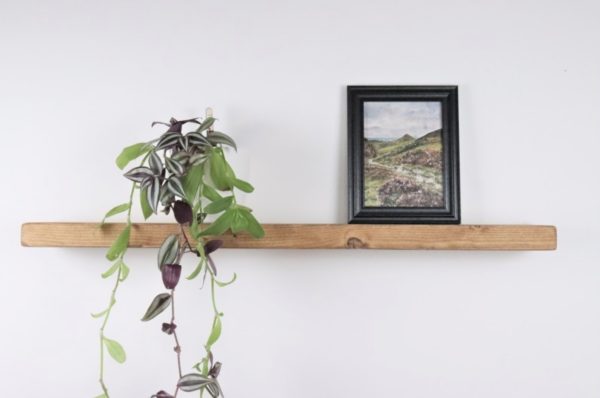 No more boring shelves - here’s how to make them look amazing
At Chill House, we’re all about making spaces feel cozy, stylish, and effortless. And one of the easiest ways to do...Read more
-
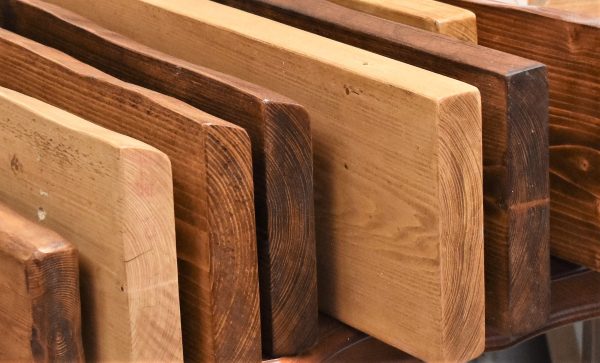 Why your home doesn’t feel right and how to fix i
Sometimes, you walk into a room and feel like something is missing. Maybe it looks too empty, too cluttered, or just...Read more
-
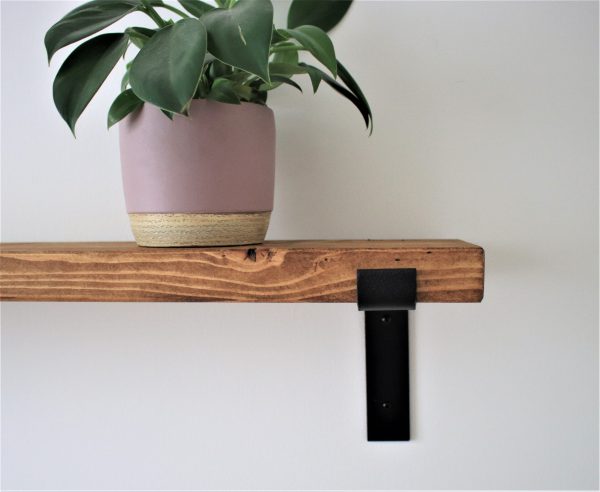 How to make your home feel more stylish without spending a fortune
You don’t need a huge budget to make your home look stylish and inviting. With a few smart tricks, you can refresh...Read more
-
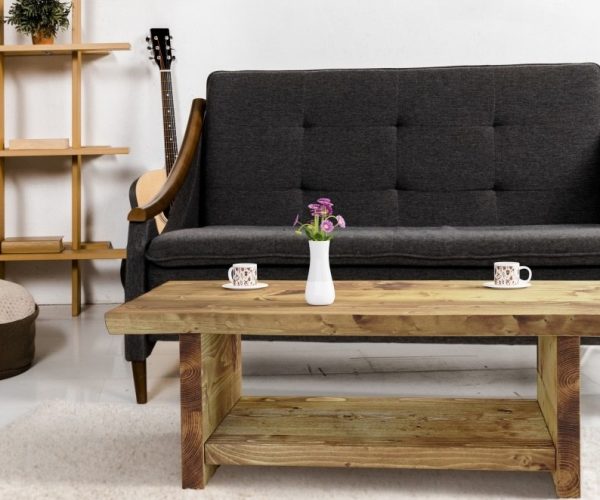 How to transform any corner into a cozy reading have
There’s something magical about curling up with a good book in a cozy nook. Whether you’re escaping into a novel or...Read more
Every Chill House shelf is handmade to your length in our Middlesbrough workshop, with free UK delivery.
Leave a comment