
Most shelves look stable on the day they are installed. They appear straight, level and secure. The illusion of...
- There are no more items in your cart
- Shipping
- Total £0.00
Latest posts
-
 Why some shelves fail over time: A structural perspective on design, load and longevityRead more
-
 Wall-mounted storage in modern homes: How to design shelves that improve space instead of overloading itRead more
Modern interiors are moving away from heavy, floor-based storage. Large cabinets, tall units and bulky shelving...
-
 The architecture of shelving: How wall storage shapes space, structure and everyday livingRead more
Shelves are often treated as accessories. They are added at the end of a project, once the walls are painted and the...
-
 Design that lasts – What Valentine’s Day can teach us about choosing betterRead more
Valentine’s Day is often reduced to a single moment. A gift, a gesture, a short-lived expression meant to capture...
-
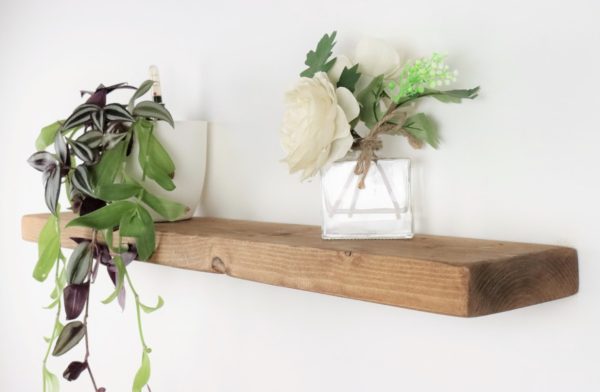 Designing storage for 2026 – A practical guide to shelving that will still make sense in ten yearsRead more
By 2026, storage is no longer treated as an afterthought. Homes are expected to work harder, adapt faster and stay...
-
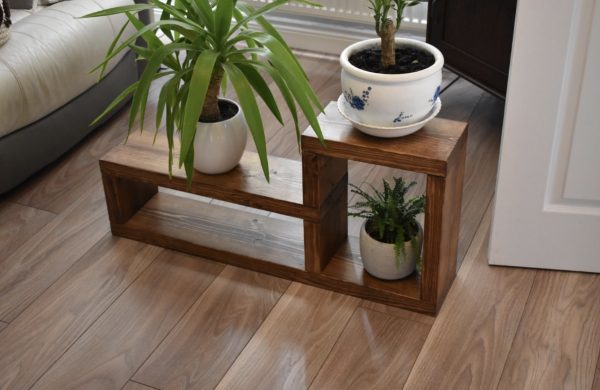 Designing for longevity – Why durability has become a design decisionRead more
For many years, interior design followed a predictable rhythm. Trends appeared, gained popularity and were quickly...
-
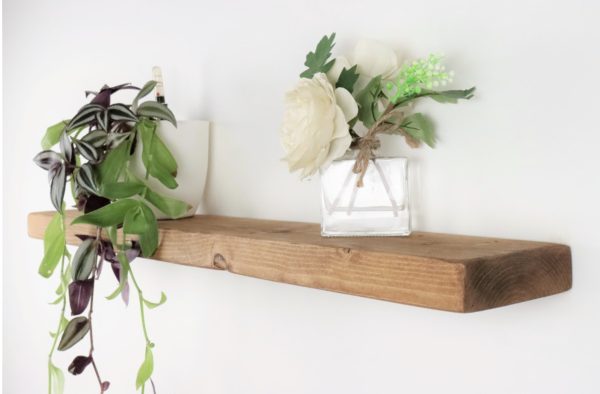 Walls as functional architecture in contemporary homesRead more
In contemporary interiors, walls are often reduced to a purely visual function. They are painted, styled or...
-
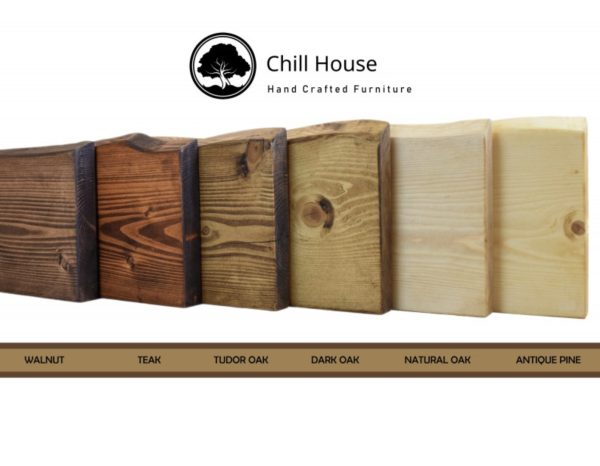 Why shelves fail and what actually makes them lastRead more
Most shelves don’t fail suddenly. They fail slowly. First they look fine, then they begin to dip slightly in the...
-
 What makes a home feel finished – Even when it’s simpleRead more
There are homes that feel finished the moment you walk in, even though they are not full of furniture or decoration....
-
 Why good shelving changes how a home feels – Even when you don’t notice itRead more
Most homes don’t feel unfinished because they lack furniture. They feel unfinished because nothing connects the space...
Blog categories
Search in blog
Why shelves fail and what actually makes them last
Table of Contents
- Why shelves often fail sooner than expected
- The difference between visual strength and real strength
- Material choice and its impact on shelf lifespan
- Thickness, length and weight distribution
- The role of mounting and wall types
- Why some shelves bend and others don’t
- How good shelves behave over time
- Choosing shelves you don’t have to replace
Why shelves often fail sooner than expected
Most shelves don’t fail suddenly. They fail slowly. First they look fine, then they begin to dip slightly in the middle, then the wall fixings loosen, and eventually the shelf stops feeling reliable. This usually happens long before the shelf looks visibly damaged.
The reason is simple: many shelves are designed to look strong, not to be strong. They are built to survive installation day and maybe a year or two of light use, but not the reality of books, kitchenware and everyday weight. When shelves are treated as decoration instead of functional elements, failure becomes inevitable.
The difference between visual strength and real strength
A thick-looking shelf is not always a strong shelf. Many mass-produced shelves use hollow cores, thin surface layers or MDF wrapped in veneer. From the outside, they appear solid. Internally, they rely on glue and compressed fibres rather than structural strength.
Real strength comes from material density and fibre structure. Shelves made from solid wood rely on continuous natural fibres that distribute weight evenly across the entire length. This difference is not always visible on day one, but it becomes obvious after months or years of use.
Material choice and its impact on shelf lifespan
Material is the single most important factor in shelf longevity. MDF and particleboard perform poorly under long-term load because their internal structure weakens over time. Even when mounted correctly, they tend to sag, especially when shelves are long or heavily loaded.
Solid wood behaves differently. Natural timber has directional strength that allows it to resist bending. When properly dried and finished, it remains stable under consistent load. This is why shelves made from real wood can be used daily without gradually losing their shape.
The difference is not about style. It is about physics.
Thickness, length and weight distribution
Every shelf has limits, even solid wood ones. Thickness, length and how weight is spread all matter.
Long shelves are more likely to bend than shorter ones. Thin shelves bend faster than thick ones. Concentrated weight in the middle causes more stress than evenly distributed items.
Good shelves are designed with proportions in mind. A shelf that is slightly thicker or supported correctly can hold significantly more weight without visible deflection. This is why proportions matter more than appearance when choosing shelving for real use.
The role of mounting and wall types
Even the strongest shelf will fail if it is mounted incorrectly. Wall type plays a critical role in shelf performance. Solid masonry, studs, plasterboard and hollow walls all require different fixings and spacing.
Floating shelves, in particular, rely heavily on proper installation. Hidden brackets must be anchored securely into load-bearing points. When shelves are fixed only into plasterboard without appropriate anchors, failure becomes a matter of time.
Why some shelves bend and others don’t
Shelf bending is not a mystery. It is the result of material fatigue combined with constant load. MDF bends because its fibres slowly compress and lose rigidity. Once bending starts, it usually accelerates.
Solid wood shelves resist this because their fibres work together rather than collapsing individually. Properly made wooden shelves may show minimal natural movement over time, but they do not continue bending progressively under the same load.
This is the difference between a shelf that lasts and one that slowly fails.
How good shelves behave over time
A well-made shelf should feel the same after years of use as it did on the day it was installed. It should remain level, stable and secure. Minor surface changes are normal, but structural behaviour should not change significantly.
Good shelves do not require constant adjustment. They do not creak, loosen or tilt forward. They quietly do their job without drawing attention to themselves. This consistency is the real sign of quality.
Choosing shelves you don’t have to replace
The easiest way to avoid shelf failure is to choose shelves designed for real use. This means prioritising material, construction and mounting over appearance alone.
Shelves should be treated as part of the structure of the home, not temporary accessories. When chosen correctly, they don’t need replacing, reinforcing or compensating for later. They simply work.
Final thoughts
Shelves fail not because people use them incorrectly, but because many shelves are not designed for everyday reality. Understanding what actually makes a shelf strong helps avoid frustration, replacements and damage.
A good shelf is not something you think about every day. That is exactly the point. When a shelf works properly, it disappears into the background and supports daily life without asking for attention.
Posted in:
Default category
Related posts
-
 5 creative ways to style wooden shelves in Your home
Wooden shelves can bring a whole new vibe to your room. With a few creative ideas, even the plainest shelf can become...Read more
-
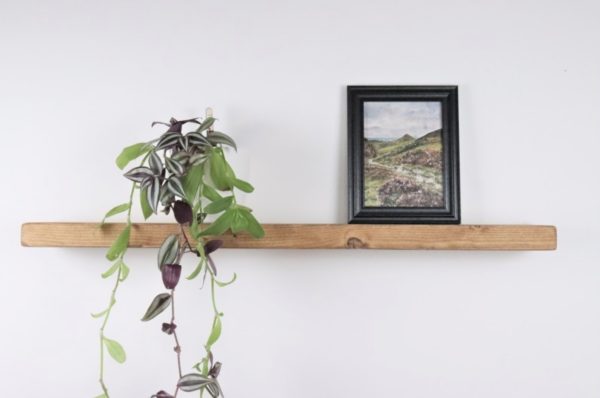 No more boring shelves - here’s how to make them look amazing
At Chill House, we’re all about making spaces feel cozy, stylish, and effortless. And one of the easiest ways to do...Read more
-
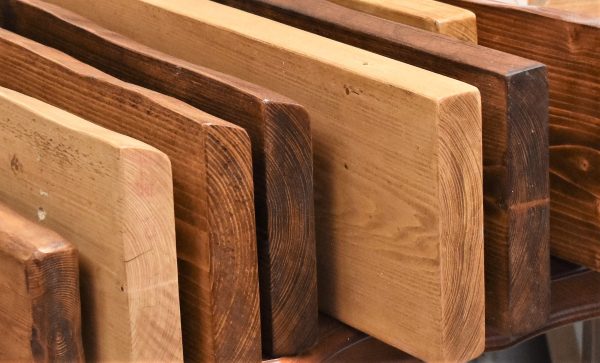 Why your home doesn’t feel right and how to fix i
Sometimes, you walk into a room and feel like something is missing. Maybe it looks too empty, too cluttered, or just...Read more
-
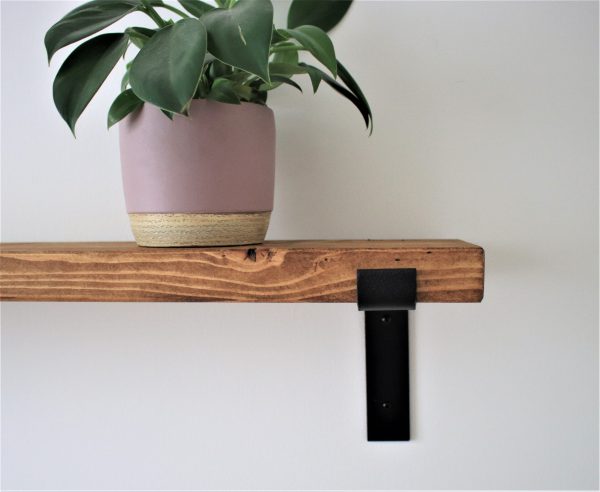 How to make your home feel more stylish without spending a fortune
You don’t need a huge budget to make your home look stylish and inviting. With a few smart tricks, you can refresh...Read more
-
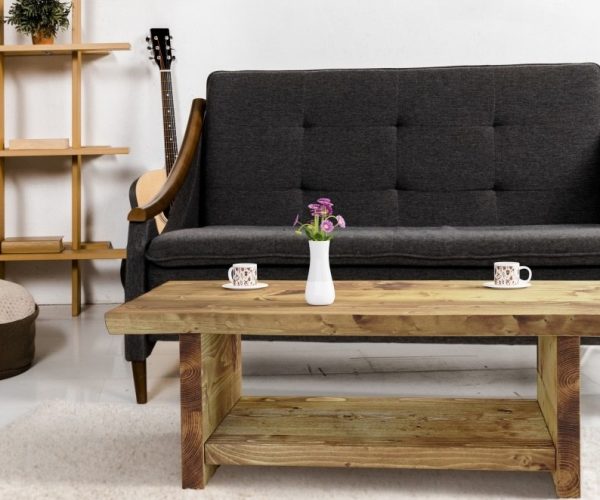 How to transform any corner into a cozy reading have
There’s something magical about curling up with a good book in a cozy nook. Whether you’re escaping into a novel or...Read more
Every Chill House shelf is handmade to your length in our Middlesbrough workshop, with free UK delivery.
Leave a comment