
Most shelves look stable on the day they are installed. They appear straight, level and secure. The illusion of...
- There are no more items in your cart
- Shipping
- Total £0.00
Latest posts
-
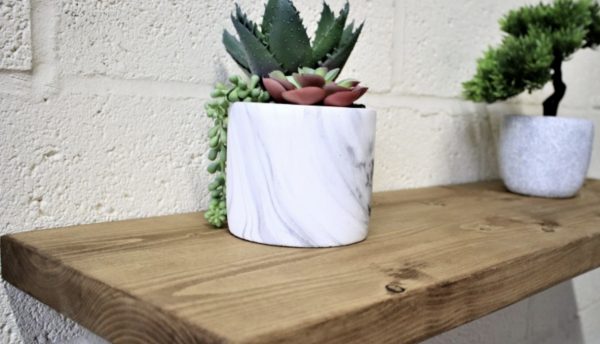 Why some shelves fail over time: A structural perspective on design, load and longevityRead more
-
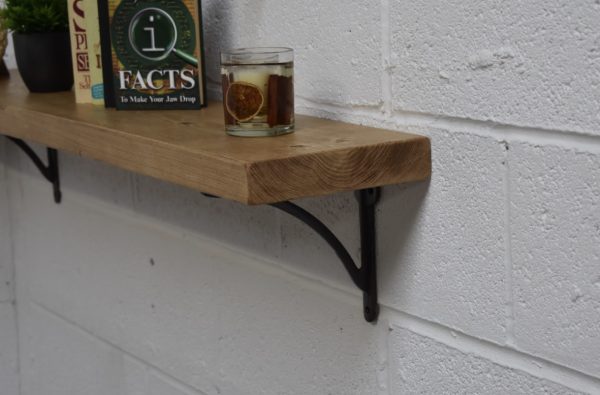 Wall-mounted storage in modern homes: How to design shelves that improve space instead of overloading itRead more
Modern interiors are moving away from heavy, floor-based storage. Large cabinets, tall units and bulky shelving...
-
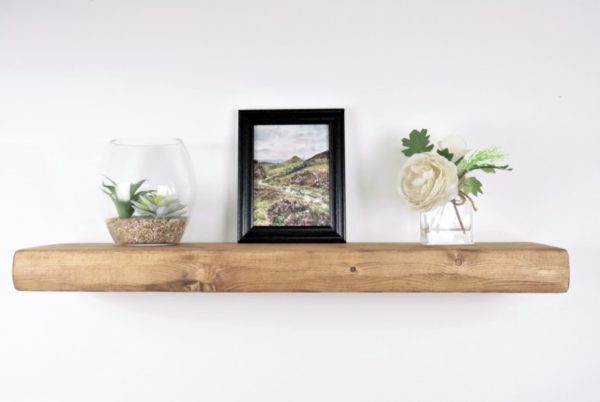 The architecture of shelving: How wall storage shapes space, structure and everyday livingRead more
Shelves are often treated as accessories. They are added at the end of a project, once the walls are painted and the...
-
 Design that lasts – What Valentine’s Day can teach us about choosing betterRead more
Valentine’s Day is often reduced to a single moment. A gift, a gesture, a short-lived expression meant to capture...
-
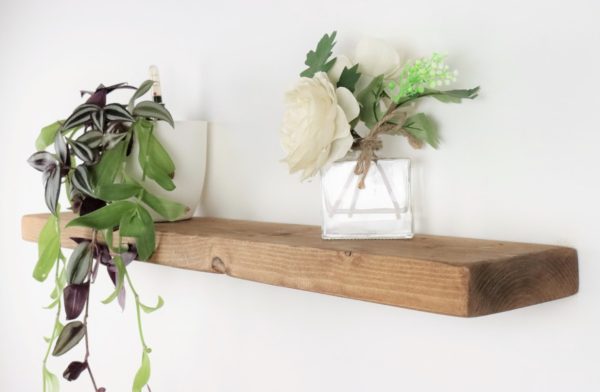 Designing storage for 2026 – A practical guide to shelving that will still make sense in ten yearsRead more
By 2026, storage is no longer treated as an afterthought. Homes are expected to work harder, adapt faster and stay...
-
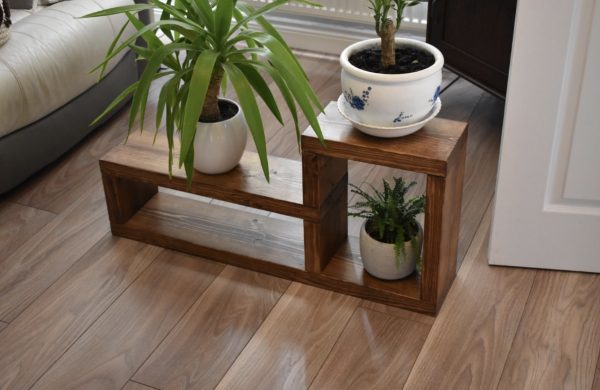 Designing for longevity – Why durability has become a design decisionRead more
For many years, interior design followed a predictable rhythm. Trends appeared, gained popularity and were quickly...
-
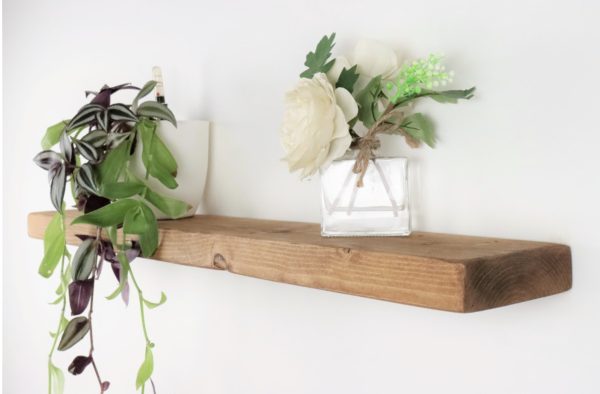 Walls as functional architecture in contemporary homesRead more
In contemporary interiors, walls are often reduced to a purely visual function. They are painted, styled or...
-
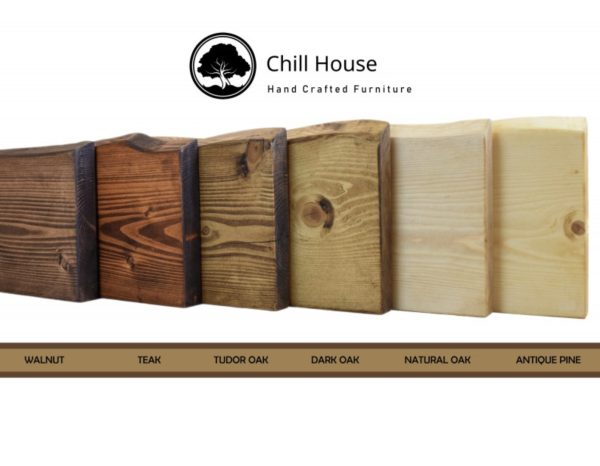 Why shelves fail and what actually makes them lastRead more
Most shelves don’t fail suddenly. They fail slowly. First they look fine, then they begin to dip slightly in the...
-
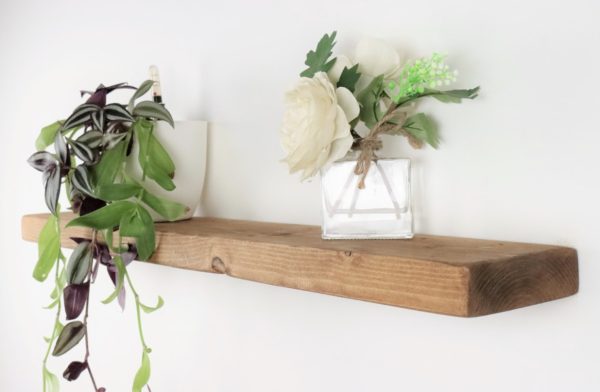 What makes a home feel finished – Even when it’s simpleRead more
There are homes that feel finished the moment you walk in, even though they are not full of furniture or decoration....
-
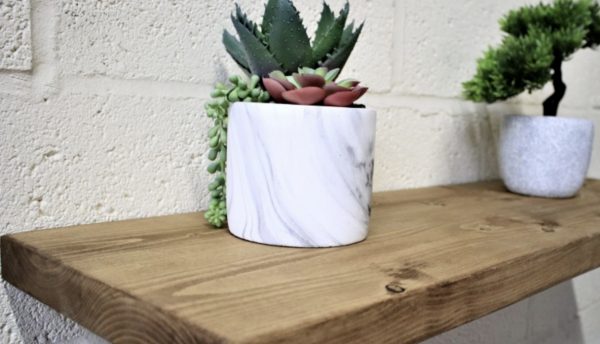 Why good shelving changes how a home feels – Even when you don’t notice itRead more
Most homes don’t feel unfinished because they lack furniture. They feel unfinished because nothing connects the space...
Blog categories
Search in blog
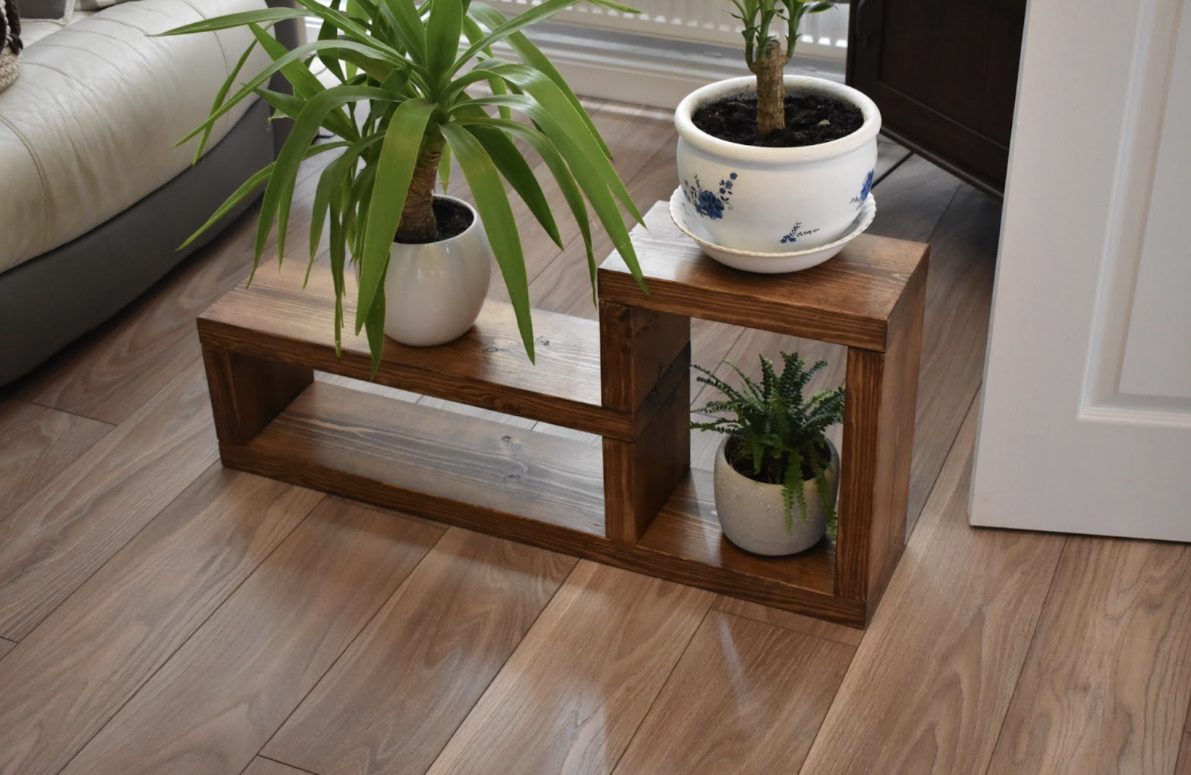
Designing for longevity – Why durability has become a design decision
- The shift from trend-driven interiors to long-term thinking
- Durability as a functional and aesthetic value
- How long-lasting design changes daily use
- Materials, construction and responsibility
- Longevity as the foundation of calm interiors
The shift from trend-driven interiors to long-term thinking
For many years, interior design followed a predictable rhythm. Trends appeared, gained popularity and were quickly replaced by new ones. Spaces were updated frequently, often driven by visual appeal rather than long-term performance. While this approach created variety, it also introduced a sense of impermanence. Interiors began to feel temporary, requiring constant adjustment to remain relevant.
In recent years, this mindset has started to change. Homeowners are increasingly aware that design choices influence not only how a space looks, but how it functions over time. Longevity is no longer a secondary consideration. It has become an integral part of the design process, shaping decisions from layout to material selection. Designing for longevity means prioritising solutions that remain useful, stable and visually coherent long after trends fade.
Durability as a functional and aesthetic value
Durability is often associated with technical performance, but its impact reaches further. Objects that last tend to look different over time – not because they deteriorate, but because they integrate into daily life. Surfaces develop character, proportions remain consistent and elements stop demanding attention.
This visual stability contributes to a sense of calm. When furniture and architectural elements behave predictably, the space feels trustworthy. There is no need to compensate for weaknesses or plan replacements. Durability becomes an aesthetic quality in itself, defined by restraint, consistency and confidence rather than novelty.
Design that prioritises durability often appears simpler, but this simplicity is deliberate. It reflects decisions made with use, ageing and maintenance in mind.
How long-lasting design changes daily use
When elements are designed to last, the way people interact with them changes. Objects are used freely rather than cautiously. Storage is filled according to need, not fear of damage. Surfaces are treated as functional rather than decorative.
This shift reduces everyday friction. A space designed for longevity does not require constant monitoring or adjustment. It supports routine instead of interrupting it. Over time, this ease becomes one of the most valuable qualities of the interior, even if it remains largely unnoticed. Long-lasting design also encourages consistency. Instead of replacing items, people adapt their use. The interior evolves gradually, maintaining coherence rather than cycling through disconnected solutions.
Materials, construction and responsibility
Longevity begins with material choice, but it is reinforced through construction and proportion. Materials selected for durability behave differently under daily conditions. They distribute load more effectively, respond predictably to environmental changes and maintain structural integrity over time.
Construction details play an equally important role. Thickness, fixing methods and alignment all influence how an element performs in the long term. Design that ignores these factors may look refined initially, but often reveals its limitations through wear.
There is also a broader responsibility associated with longevity. Choosing elements that last reduces waste, limits the need for replacement and encourages more thoughtful consumption. Design decisions made today shape not only interiors, but the patterns of use that follow.
Longevity as the foundation of calm interiors
Interiors designed for longevity share a common quality: they feel settled. Nothing appears provisional or overly reactive. The space does not depend on constant updates to remain functional or visually coherent.
This sense of stability has a direct effect on how a home is experienced. Calm interiors are not created through minimalism alone, but through confidence in the choices made. When materials, proportions and construction are aligned with long-term use, the interior becomes resilient rather than fragile. Longevity, in this context, is not about permanence at all costs. It is about creating a framework that supports change without losing clarity. Design that lasts does not resist time – it works with it.
Posted in:
Default category
Related posts
-
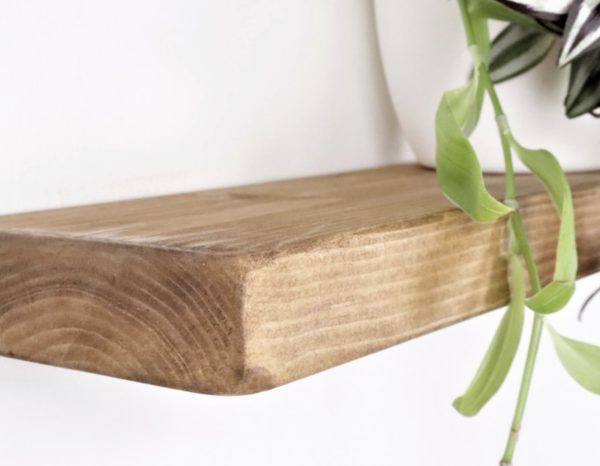 5 creative ways to style wooden shelves in Your home
Wooden shelves can bring a whole new vibe to your room. With a few creative ideas, even the plainest shelf can become...Read more
-
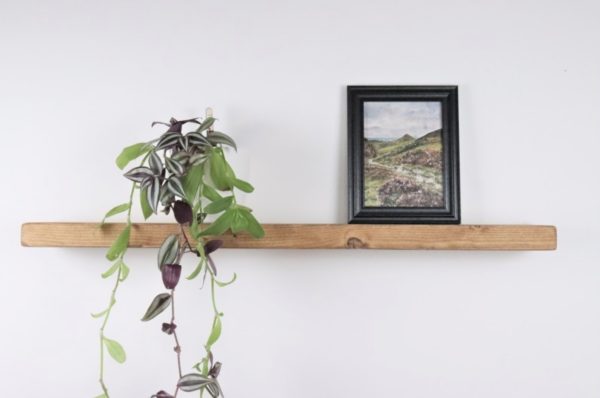 No more boring shelves - here’s how to make them look amazing
At Chill House, we’re all about making spaces feel cozy, stylish, and effortless. And one of the easiest ways to do...Read more
-
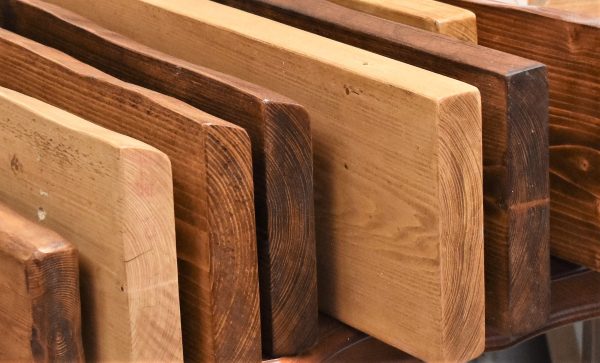 Why your home doesn’t feel right and how to fix i
Sometimes, you walk into a room and feel like something is missing. Maybe it looks too empty, too cluttered, or just...Read more
-
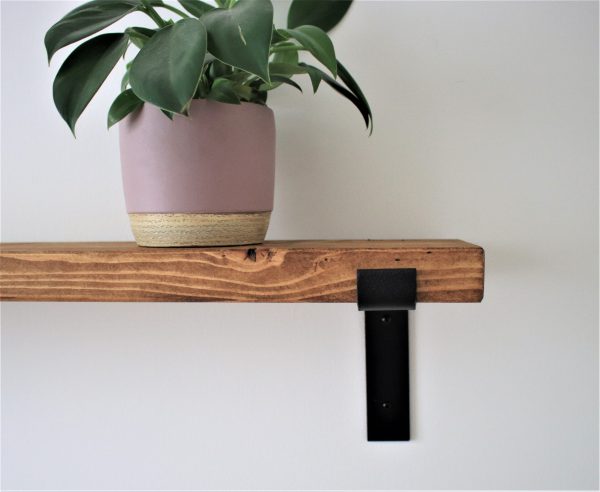 How to make your home feel more stylish without spending a fortune
You don’t need a huge budget to make your home look stylish and inviting. With a few smart tricks, you can refresh...Read more
-
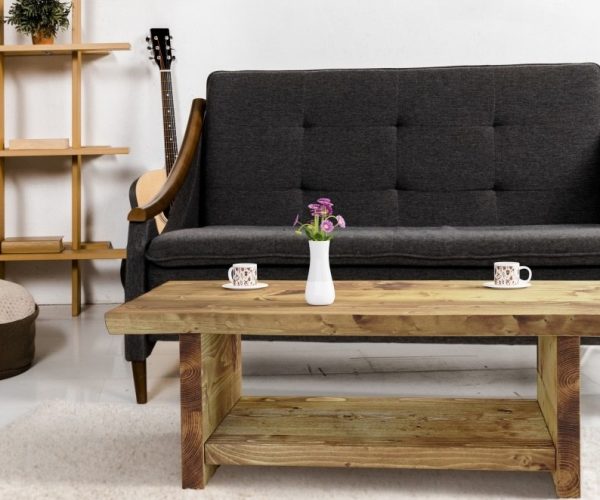 How to transform any corner into a cozy reading have
There’s something magical about curling up with a good book in a cozy nook. Whether you’re escaping into a novel or...Read more
Every Chill House shelf is handmade to your length in our Middlesbrough workshop, with free UK delivery.
Leave a comment