
Most shelves look stable on the day they are installed. They appear straight, level and secure. The illusion of...
- There are no more items in your cart
- Shipping
- Total £0.00
Latest posts
-
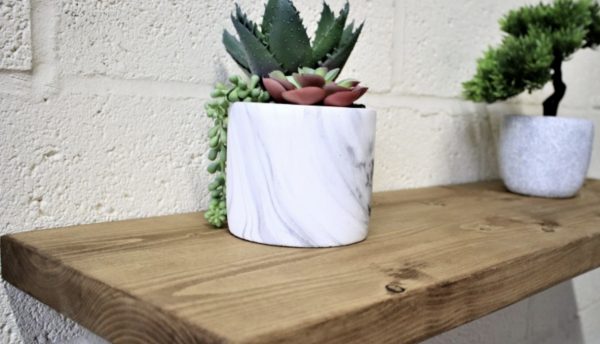 Why some shelves fail over time: A structural perspective on design, load and longevityRead more
-
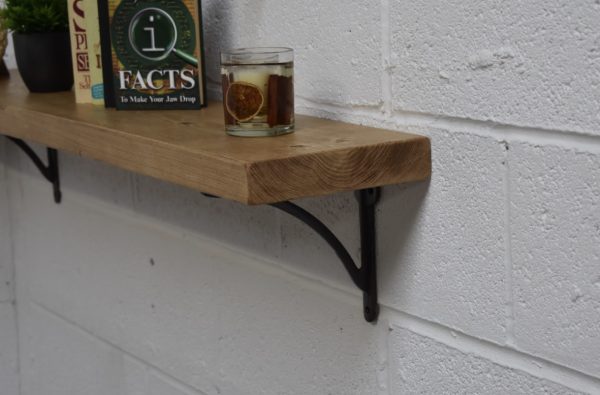 Wall-mounted storage in modern homes: How to design shelves that improve space instead of overloading itRead more
Modern interiors are moving away from heavy, floor-based storage. Large cabinets, tall units and bulky shelving...
-
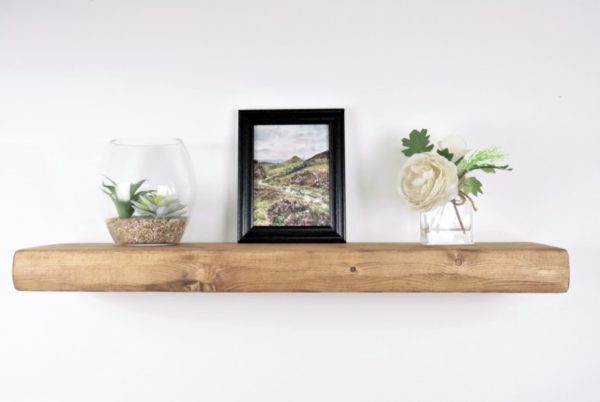 The architecture of shelving: How wall storage shapes space, structure and everyday livingRead more
Shelves are often treated as accessories. They are added at the end of a project, once the walls are painted and the...
-
 Design that lasts – What Valentine’s Day can teach us about choosing betterRead more
Valentine’s Day is often reduced to a single moment. A gift, a gesture, a short-lived expression meant to capture...
-
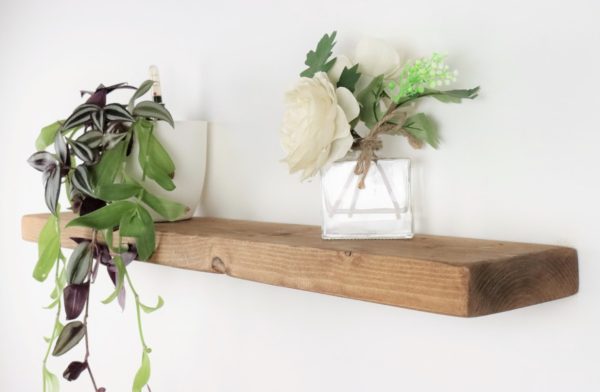 Designing storage for 2026 – A practical guide to shelving that will still make sense in ten yearsRead more
By 2026, storage is no longer treated as an afterthought. Homes are expected to work harder, adapt faster and stay...
-
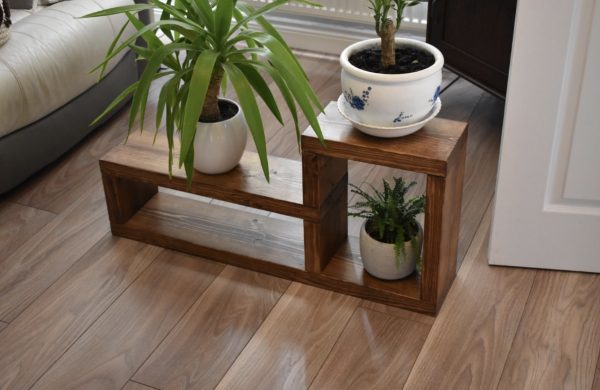 Designing for longevity – Why durability has become a design decisionRead more
For many years, interior design followed a predictable rhythm. Trends appeared, gained popularity and were quickly...
-
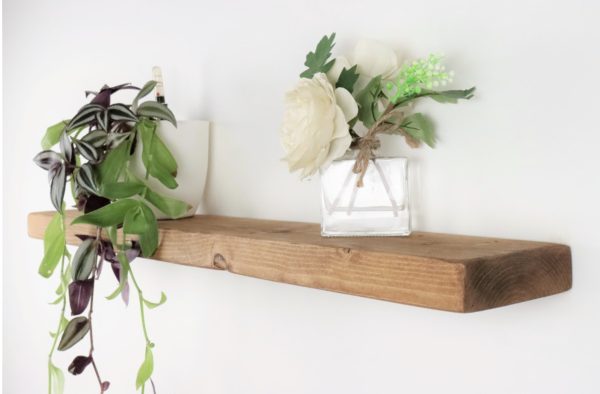 Walls as functional architecture in contemporary homesRead more
In contemporary interiors, walls are often reduced to a purely visual function. They are painted, styled or...
-
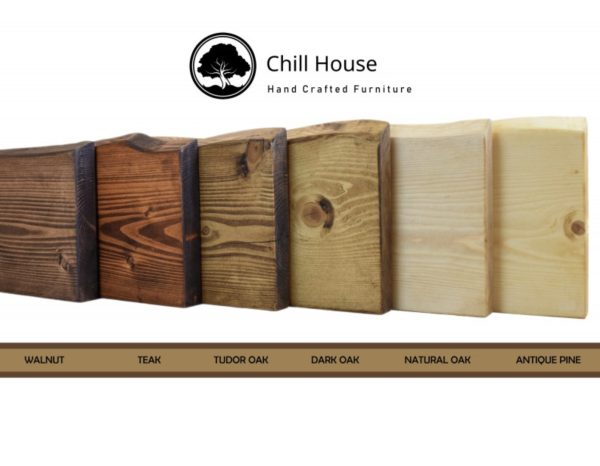 Why shelves fail and what actually makes them lastRead more
Most shelves don’t fail suddenly. They fail slowly. First they look fine, then they begin to dip slightly in the...
-
 What makes a home feel finished – Even when it’s simpleRead more
There are homes that feel finished the moment you walk in, even though they are not full of furniture or decoration....
-
 Why good shelving changes how a home feels – Even when you don’t notice itRead more
Most homes don’t feel unfinished because they lack furniture. They feel unfinished because nothing connects the space...
Blog categories
Search in blog
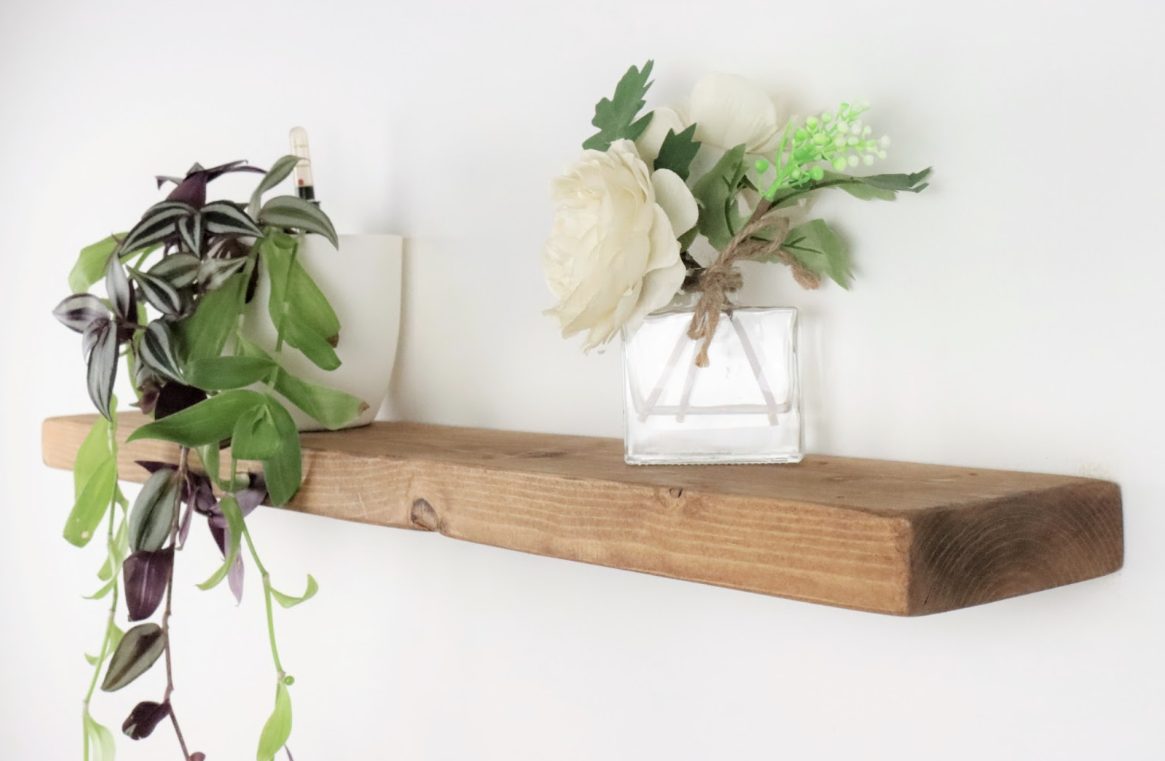
Designing storage for 2026 – A practical guide to shelving that will still make sense in ten years
Designing storage for 2026 – A practical guide to shelving that will still make sense in ten years
- How the role of storage is changing
- From decoration to infrastructure
- Fewer pieces, better decisions
- Shelving as part of spatial planning
- Materials that age well in real homes
- Durability as a design requirement
- Flexibility without modular chaos
- Walls as long-term functional assets
- Designing shelves for evolving lifestyles
- What will feel outdated and what won’t
How the role of storage is changing
By 2026, storage is no longer treated as an afterthought. Homes are expected to work harder, adapt faster and stay relevant longer. Remote work, hybrid lifestyles and smaller living spaces have shifted priorities. Storage is no longer just about hiding objects; it has become part of how space functions on a daily basis.
What’s changing most is the expectation of permanence. Instead of replacing furniture every few years, people increasingly look for solutions that remain useful as their needs evolve. This shift puts shelving in a new position. It is no longer decorative support. It is functional infrastructure.
From decoration to infrastructure
For years, shelves were styled first and used second. Thin boards, light materials and trend-driven proportions dominated interiors. These solutions looked good in photos but struggled under real conditions. Books bent shelves, kitchens exposed material weaknesses and everyday use revealed structural compromises. In 2026, shelving is designed with performance in mind. Load capacity, stability and placement are considered as carefully as appearance. Shelves are expected to hold weight consistently, remain straight over time and integrate with the architecture of the room. This moves shelving away from decoration and closer to built-in functionality, even when the design remains minimal.
Fewer pieces, better decisions
One of the clearest shifts in recent years is the move away from accumulation. Homes are becoming less about adding and more about refining. Instead of multiple small storage units, people are choosing fewer, more intentional elements.
This approach reduces visual noise and simplifies layouts. A single, well-designed shelving solution can replace several pieces of furniture while improving flow and spatial clarity. In 2026, efficiency is measured not by quantity, but by how much one element can do without overwhelming the space.
Shelving as part of spatial planning
Shelves that work well long term are rarely added at the end. They are planned alongside layout decisions. Height, width and placement relate directly to how a room is used and how people move through it.
In open-plan interiors, shelving often replaces walls as a way to define zones without blocking light. In smaller homes, shelves reduce the need for bulky storage by using vertical space effectively. In both cases, shelving becomes part of the spatial logic rather than an accessory.
Materials that age well in real homes
Material choice is one of the most decisive factors in long-term performance. In everyday conditions, shelves are exposed to constant load, temperature changes and regular handling. Materials that rely on surface finishes tend to show wear quickly, while those with structural integrity age more gracefully.
Solid wood remains one of the few materials that performs consistently over time. It distributes weight naturally, resists gradual deformation and can be refreshed instead of replaced. In 2026, material honesty is becoming more important than surface perfection. People accept ageing when it reflects use rather than failure.
Durability as a design requirement
Durability is no longer a bonus. It is a requirement. Shelves are expected to work reliably for years, not months. This affects design decisions at every level, from thickness and fixing methods to proportions and spacing. Designing for durability also changes how people interact with their homes. When shelves are trusted, they are used freely. There is no need to limit weight, rearrange constantly or plan replacements. This ease of use is one of the most underrated qualities of good design.
Flexibility without modular chaos
Flexibility is often misunderstood as modularity. While modular systems promise adaptability, they often introduce visual fragmentation and technical complexity. In contrast, well-designed shelves achieve flexibility through neutrality. Neutral proportions, solid materials and thoughtful placement allow shelves to adapt to changing use without needing reconfiguration. What holds books today may hold work tools tomorrow. This kind of flexibility is quiet and long-lasting, without visual clutter.
Walls as long-term functional assets
By 2026, walls are increasingly seen as functional assets rather than empty surfaces. Well-designed wall solutions reduce the need for floor-based storage and improve spatial efficiency.
Treating walls as active elements also improves longevity. Unlike furniture that competes for space, wall-mounted shelving integrates with the structure of the home. When designed properly, it remains relevant even as interiors evolve.
Designing shelves for evolving lifestyles
Homes are no longer static. Spaces change roles throughout the day and across years. Shelves that work long term are those that support this evolution without needing redesign.
This means avoiding extreme proportions, trend-driven details and overly specific functions. Shelves designed for adaptability remain useful as lifestyles shift, whether that means working from home, changing family needs or simplifying possessions.
What will feel outdated and what won’t
In 2026 and beyond, what dates interiors fastest is not minimalism or simplicity, but compromise. Thin materials, decorative-only solutions and furniture that struggles with use will quickly feel obsolete.
What remains relevant are decisions rooted in function, proportion and material quality. Shelves that fit the space, carry weight reliably and age naturally will continue to make sense long after trends change. Design that works well does not need to be updated constantly. It simply continues to work.
Designing storage for 2026 is less about predicting trends and more about understanding how homes are actually used. Shelving that lasts focuses on structure, durability and adaptability rather than short-term appeal.
When shelves are treated as part of the home’s infrastructure, they stop being something you think about and start being something you rely on. And that is the most future-proof quality design can have.
Posted in:
Default category
Related posts
-
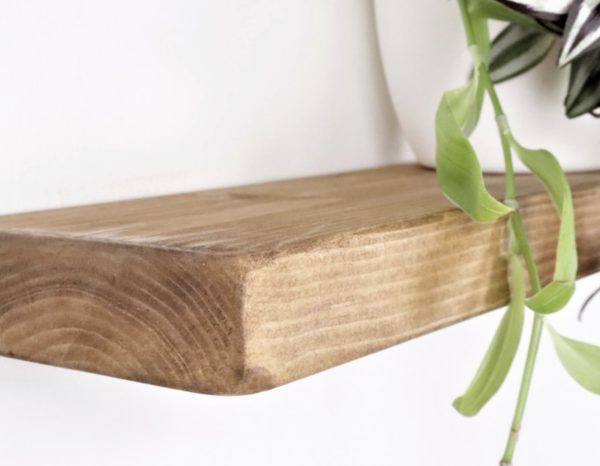 5 creative ways to style wooden shelves in Your home
Wooden shelves can bring a whole new vibe to your room. With a few creative ideas, even the plainest shelf can become...Read more
-
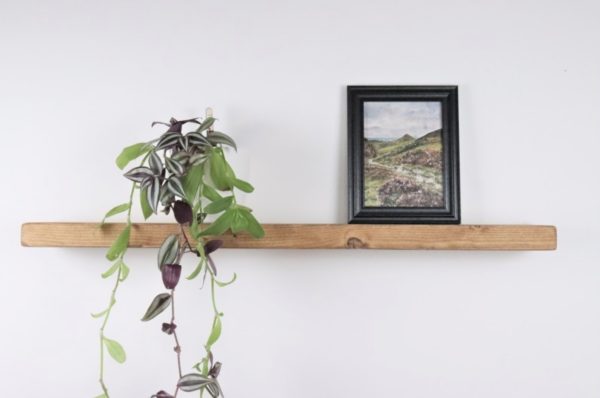 No more boring shelves - here’s how to make them look amazing
At Chill House, we’re all about making spaces feel cozy, stylish, and effortless. And one of the easiest ways to do...Read more
-
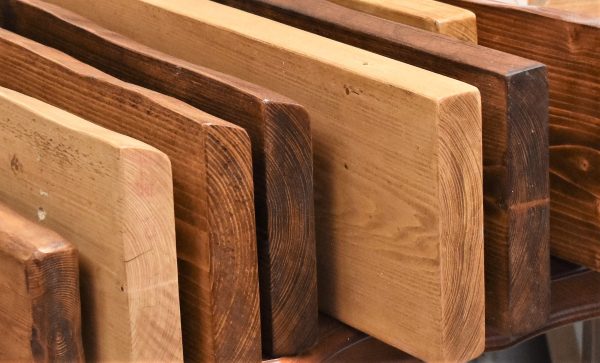 Why your home doesn’t feel right and how to fix i
Sometimes, you walk into a room and feel like something is missing. Maybe it looks too empty, too cluttered, or just...Read more
-
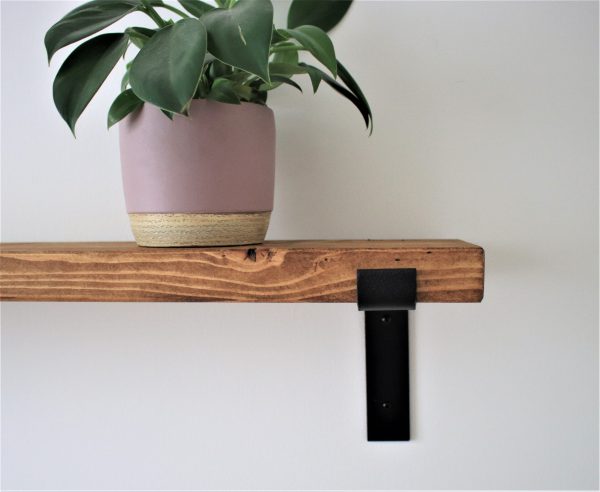 How to make your home feel more stylish without spending a fortune
You don’t need a huge budget to make your home look stylish and inviting. With a few smart tricks, you can refresh...Read more
-
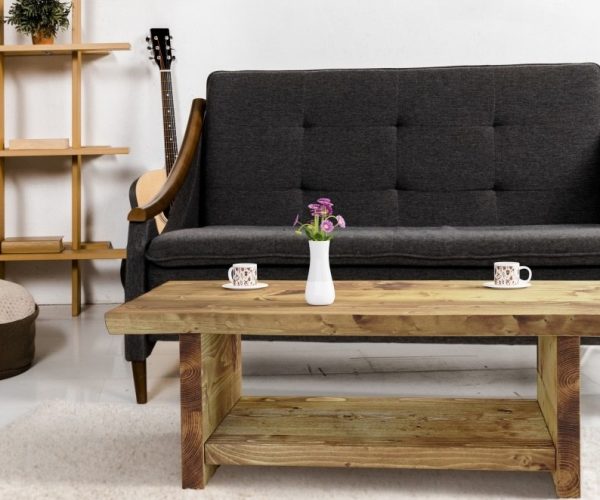 How to transform any corner into a cozy reading have
There’s something magical about curling up with a good book in a cozy nook. Whether you’re escaping into a novel or...Read more
Every Chill House shelf is handmade to your length in our Middlesbrough workshop, with free UK delivery.
Leave a comment