
Most shelves look stable on the day they are installed. They appear straight, level and secure. The illusion of...
- There are no more items in your cart
- Shipping
- Total £0.00
Latest posts
-
 Why some shelves fail over time: A structural perspective on design, load and longevityRead more
-
 Wall-mounted storage in modern homes: How to design shelves that improve space instead of overloading itRead more
Modern interiors are moving away from heavy, floor-based storage. Large cabinets, tall units and bulky shelving...
-
 The architecture of shelving: How wall storage shapes space, structure and everyday livingRead more
Shelves are often treated as accessories. They are added at the end of a project, once the walls are painted and the...
-
 Design that lasts – What Valentine’s Day can teach us about choosing betterRead more
Valentine’s Day is often reduced to a single moment. A gift, a gesture, a short-lived expression meant to capture...
-
 Designing storage for 2026 – A practical guide to shelving that will still make sense in ten yearsRead more
By 2026, storage is no longer treated as an afterthought. Homes are expected to work harder, adapt faster and stay...
-
 Designing for longevity – Why durability has become a design decisionRead more
For many years, interior design followed a predictable rhythm. Trends appeared, gained popularity and were quickly...
-
 Walls as functional architecture in contemporary homesRead more
In contemporary interiors, walls are often reduced to a purely visual function. They are painted, styled or...
-
 Why shelves fail and what actually makes them lastRead more
Most shelves don’t fail suddenly. They fail slowly. First they look fine, then they begin to dip slightly in the...
-
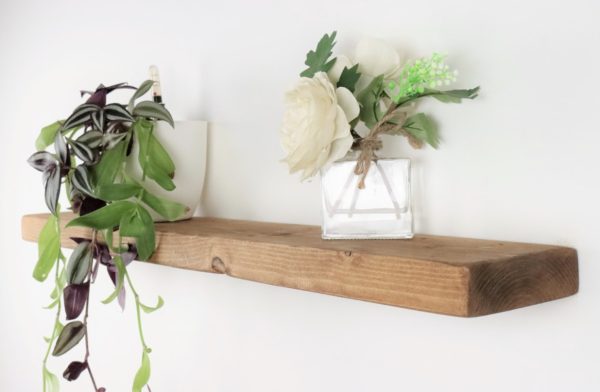 What makes a home feel finished – Even when it’s simpleRead more
There are homes that feel finished the moment you walk in, even though they are not full of furniture or decoration....
-
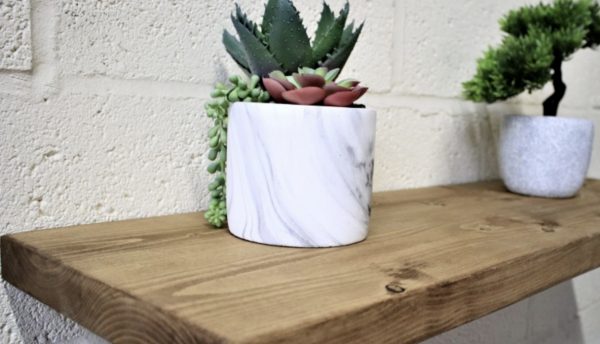 Why good shelving changes how a home feels – Even when you don’t notice itRead more
Most homes don’t feel unfinished because they lack furniture. They feel unfinished because nothing connects the space...
Blog categories
Search in blog
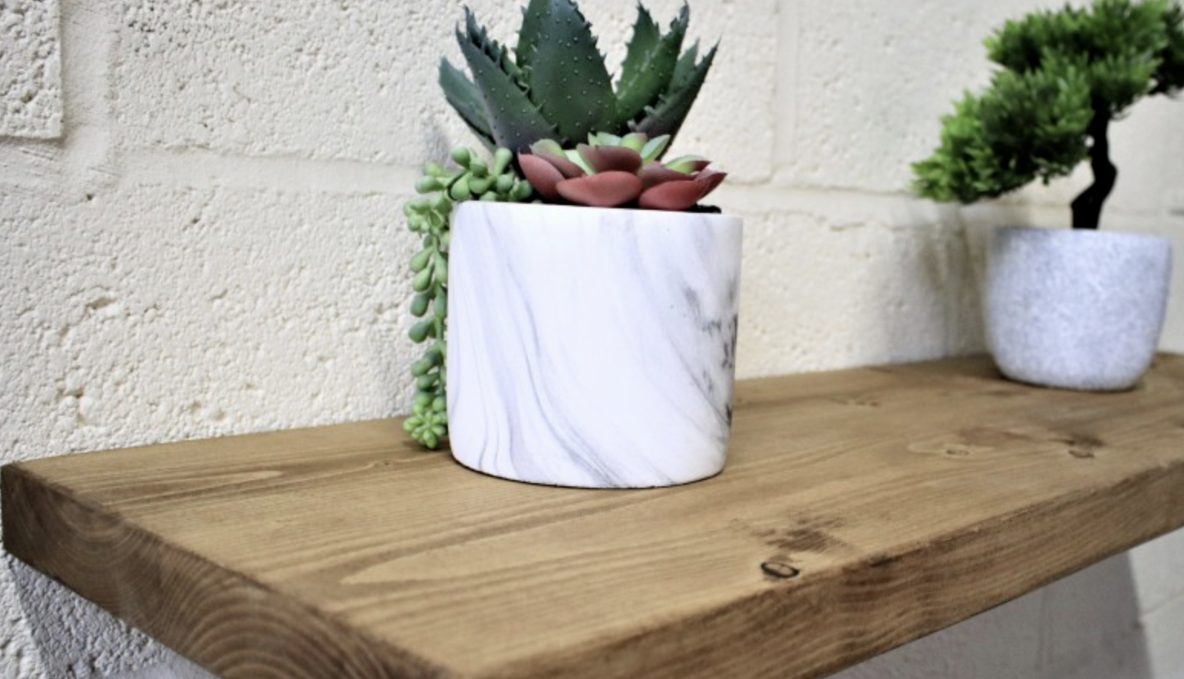
Why good shelving changes how a home feels – Even when you don’t notice it
Table of contents
- Why some interiors feel “finished” and others never do
- The invisible role of structure in interior design
- How shelves influence balance and proportions
- Why walls without structure feel empty or chaotic
- The psychological effect of organised surfaces
- Why solid wood makes a visible difference
- When less furniture actually creates more comfort
- Why shelving is one of the smartest long-term upgrades
Why some interiors feel “finished” and others never do
Most homes don’t feel unfinished because they lack furniture. They feel unfinished because nothing connects the space visually. A sofa might look good, a table might be well chosen, the lighting might be right – and yet the room still feels slightly off.
In most cases, the missing element is structure.
Structure in interior design isn’t about walls or beams. It’s about visual anchors – elements that guide the eye and give the space rhythm. Shelves often play this role without people realising it. A well-placed shelf creates a line that connects different parts of the room, making everything feel intentional rather than accidental.
This is why two rooms with similar furniture can feel completely different. One has structure. The other doesn’t.
The invisible role of structure in interior design
Good interiors are rarely about decoration. They are about balance. When walls are completely empty, the eye has nothing to rest on. When they’re overcrowded, the space feels chaotic. A shelf creates a middle ground – a controlled, horizontal element that brings order.
Interior designers often use shelves not to add storage, but to introduce proportion. A single line of wood across a wall can visually lower a high ceiling, widen a narrow space, or anchor furniture that otherwise feels disconnected.
This is why shelves appear in so many well-designed homes, even when storage isn’t needed. They solve a visual problem before they solve a practical one.
How shelves influence balance and proportions
Every room has natural proportions, whether we notice them or not. Ceiling height, wall width, window placement – all of these affect how balanced a space feels. Shelves work like visual anchors that correct proportions subtly. In narrow rooms, a horizontal shelf makes the space feel wider. In tall rooms, a shelf placed lower brings the ceiling down visually. In open-plan spaces, shelves help divide areas without building walls.This is why shelves are often used in interior photography and show homes – not because they need storage, but because they shape perception.
Why walls without structure feel empty or chaotic
An empty wall might seem clean, but often it feels unfinished. Our eyes look for reference points. Without them, the space can feel cold or unintentional. On the other hand, filling a wall with random frames or décor often creates noise instead of harmony.
A shelf offers a controlled solution. It defines a zone without overwhelming it. It gives you one clear horizontal line that organises everything around it. Even when styled minimally, it adds clarity to the room. This is why well-designed shelves rarely look busy – they’re designed to bring calm, not clutter.
The psychological effect of organised surfaces
Clutter doesn’t just take up physical space; it occupies mental space too. When items are scattered across surfaces, the room feels restless. A shelf helps group objects together in a way that feels intentional.
When items are aligned along a shelf, the brain reads them as organised, even if there are several of them. This subtle order reduces visual stress and makes the space feel calmer.
That’s why rooms with good shelving often feel easier to live in – not because they’re emptier, but because they’re structured.
Why solid wood makes a visible difference
Material choice matters more than most people realise. Solid wood has depth, grain and warmth that flat materials simply can’t replicate. Light behaves differently on real wood. It softens edges and creates natural contrast without harshness.
Unlike MDF or laminated boards, solid wood ages gracefully. Instead of looking worn, it gains character. This makes it especially suitable for visible elements like shelves, where texture and finish play a big role in how the room feels.
A shelf made from real wood doesn’t need decoration to look good. It already has presence.
When less furniture actually creates more comfort
There’s a misconception that comfort comes from filling a space. In reality, comfort often comes from clarity. One well-placed shelf can replace multiple small furniture pieces and make a room easier to navigate. This is particularly noticeable in smaller homes, where every item competes for attention. Reducing visual noise makes rooms feel larger, calmer and more usable. Shelving helps achieve this without sacrificing function.
Why shelving is one of the smartest long-term upgrades
Shelves don’t go out of style. They adapt as your needs change. What holds books today might display ceramics tomorrow. They grow with your space rather than limit it.
Because they’re simple, durable and flexible, shelves are one of the few home upgrades that continue to make sense year after year. They don’t demand constant updates or replacements. They simply become part of the home.
Final thoughts
Good interiors aren’t about adding more – they’re about choosing better. A well-made shelf brings structure, balance and calm to a space without drawing attention to itself. It supports the room instead of dominating it. That’s why shelves remain one of the most effective and underrated tools in home design. They quietly shape how a space feels, how it functions and how comfortable it becomes to live in.
Posted in:
Default category
Related posts
-
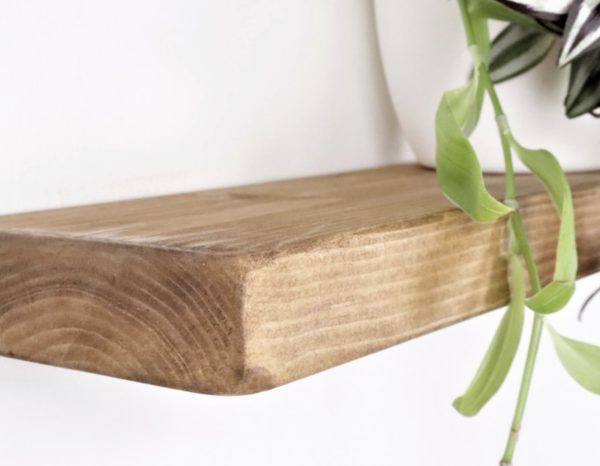 5 creative ways to style wooden shelves in Your home
Wooden shelves can bring a whole new vibe to your room. With a few creative ideas, even the plainest shelf can become...Read more
-
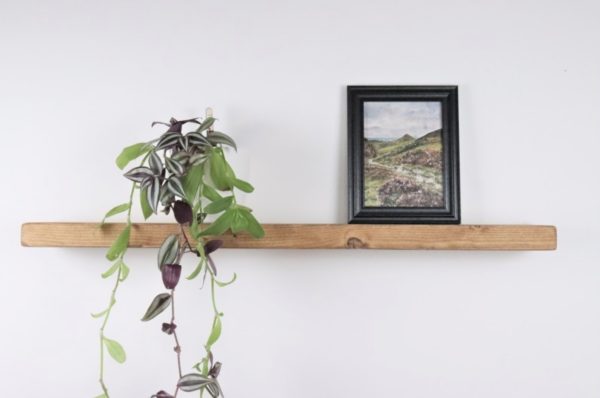 No more boring shelves - here’s how to make them look amazing
At Chill House, we’re all about making spaces feel cozy, stylish, and effortless. And one of the easiest ways to do...Read more
-
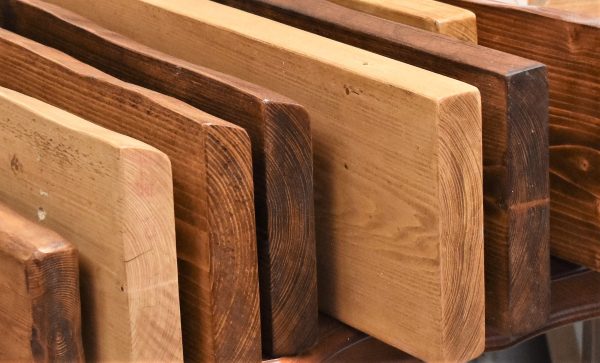 Why your home doesn’t feel right and how to fix i
Sometimes, you walk into a room and feel like something is missing. Maybe it looks too empty, too cluttered, or just...Read more
-
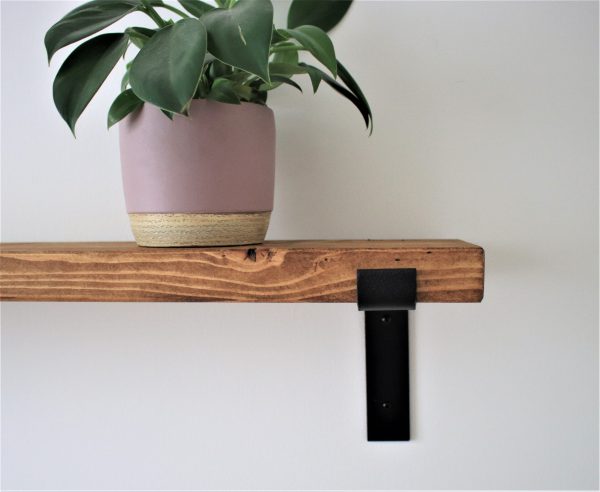 How to make your home feel more stylish without spending a fortune
You don’t need a huge budget to make your home look stylish and inviting. With a few smart tricks, you can refresh...Read more
-
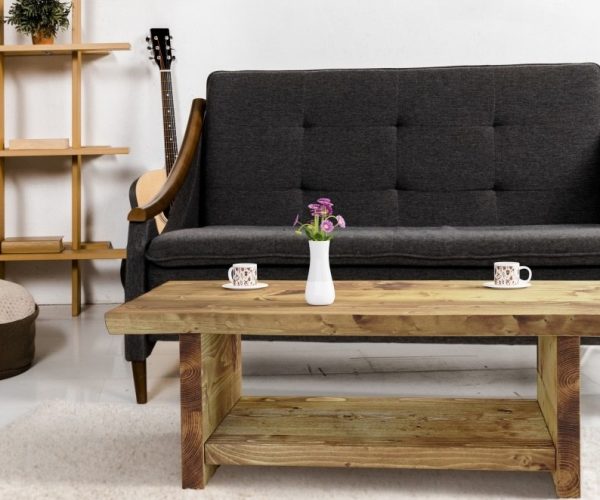 How to transform any corner into a cozy reading have
There’s something magical about curling up with a good book in a cozy nook. Whether you’re escaping into a novel or...Read more
Every Chill House shelf is handmade to your length in our Middlesbrough workshop, with free UK delivery.
Leave a comment