
Most shelves look stable on the day they are installed. They appear straight, level and secure. The illusion of...
- There are no more items in your cart
- Shipping
- Total £0.00
Latest posts
-
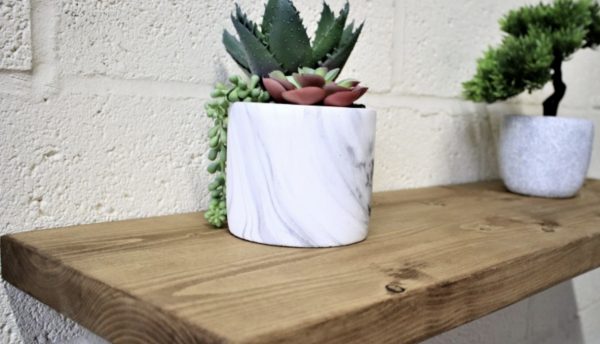 Why some shelves fail over time: A structural perspective on design, load and longevityRead more
-
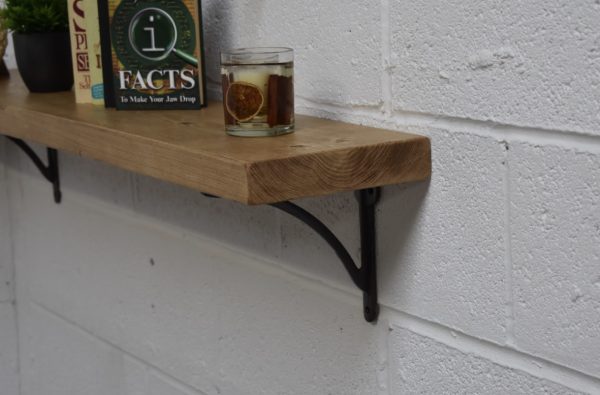 Wall-mounted storage in modern homes: How to design shelves that improve space instead of overloading itRead more
Modern interiors are moving away from heavy, floor-based storage. Large cabinets, tall units and bulky shelving...
-
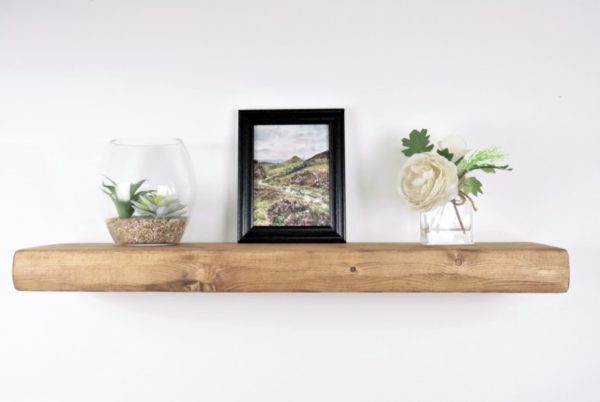 The architecture of shelving: How wall storage shapes space, structure and everyday livingRead more
Shelves are often treated as accessories. They are added at the end of a project, once the walls are painted and the...
-
 Design that lasts – What Valentine’s Day can teach us about choosing betterRead more
Valentine’s Day is often reduced to a single moment. A gift, a gesture, a short-lived expression meant to capture...
-
 Designing storage for 2026 – A practical guide to shelving that will still make sense in ten yearsRead more
By 2026, storage is no longer treated as an afterthought. Homes are expected to work harder, adapt faster and stay...
-
 Designing for longevity – Why durability has become a design decisionRead more
For many years, interior design followed a predictable rhythm. Trends appeared, gained popularity and were quickly...
-
 Walls as functional architecture in contemporary homesRead more
In contemporary interiors, walls are often reduced to a purely visual function. They are painted, styled or...
-
 Why shelves fail and what actually makes them lastRead more
Most shelves don’t fail suddenly. They fail slowly. First they look fine, then they begin to dip slightly in the...
-
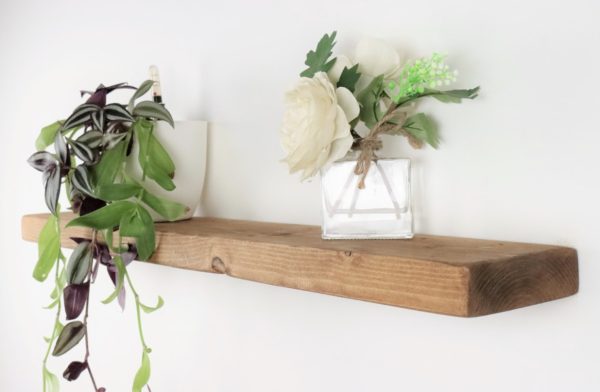 What makes a home feel finished – Even when it’s simpleRead more
There are homes that feel finished the moment you walk in, even though they are not full of furniture or decoration....
-
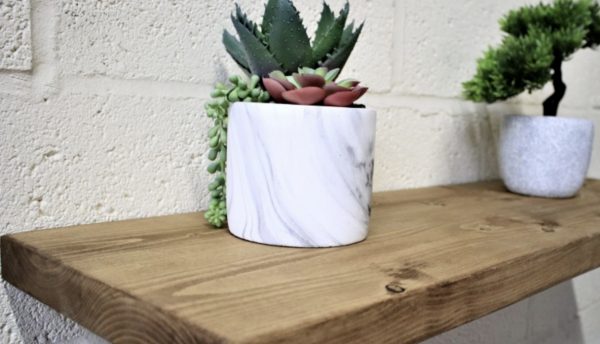 Why good shelving changes how a home feels – Even when you don’t notice itRead more
Most homes don’t feel unfinished because they lack furniture. They feel unfinished because nothing connects the space...
Blog categories
Search in blog
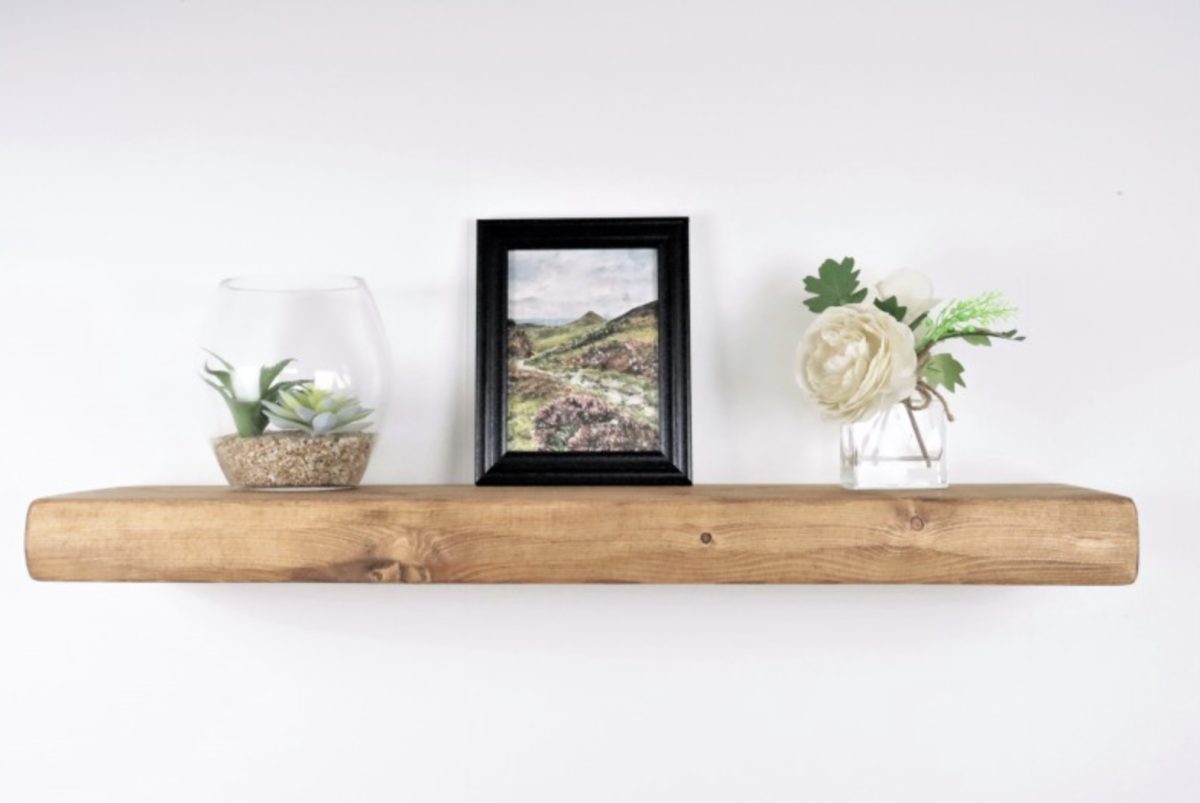
The architecture of shelving: How wall storage shapes space, structure and everyday living
Table of Contents
- Shelves as architectural elements
- The relationship between walls and weight
- Proportion and visual balance
- The psychology of open storage
- Material integrity and long-term stability
- Floating vs bracketed systems in structural terms
- Designing shelves for changing lifestyles
- Why minimal shelving often works better
- Common structural mistakes in wall shelving
- Building shelves that remain relevant over time
Shelves as architectural elements
Shelves are often treated as accessories. They are added at the end of a project, once the walls are painted and the main furniture is placed. In reality, shelving has far more in common with architecture than decoration. It interacts directly with the wall, distributes weight, influences sightlines and changes how space is experienced.
When shelving is planned properly, it defines zones within a room, introduces rhythm to vertical surfaces and supports functional flow. When added without structure or proportion, it can disrupt balance and create long-term problems.
Thinking of shelves as architectural elements shifts the decision-making process. Instead of asking how they look, the better question becomes how they work within the structure of the room.
The relationship between walls and weight
Every shelf transfers weight to the wall. Books, ceramics, everyday objects and even decorative items create constant load. Over time, this load tests both the material of the shelf and the quality of the fixings.
A shelf is not simply a horizontal surface. It is a load-bearing element. The deeper the shelf, the greater the leverage. The thinner the board, the higher the risk of gradual bending. The longer the span without support, the more stress is placed on the structure.
Understanding this relationship changes how shelves should be selected. Strength is not only about material but also about thickness, depth and support system.
Proportion and visual balance
Proportion determines whether a shelf feels integrated or imposed. A shelf that is too thin may appear delicate at first but can look insubstantial once objects are placed on it. A shelf that is too thick may dominate the wall unnecessarily.
Depth also affects perception. Shallow shelves keep walls light and structured. Deep shelves create presence and visual weight. The correct proportion depends on the room’s scale, ceiling height and surrounding furniture.
Spacing between shelves influences rhythm. Even small miscalculations can make the composition feel crowded or disconnected. When proportion is considered carefully, shelving supports the room rather than competing with it.
The psychology of open storage
Open shelving exposes objects to view. This changes behaviour. People tend to organise more consciously when items are visible. At the same time, poorly planned open storage can increase visual noise.
Well-designed shelves help reduce clutter by providing defined zones for everyday objects. They encourage intentional placement rather than accumulation. The psychological effect of structured open storage is subtle but significant. A room feels calmer when its objects have a clear home.
Material integrity and long-term stability
Material choice defines how a shelf ages. Engineered boards often rely on surface strength and internal composite structure. Solid wood relies on natural fibre direction and structural integrity.
Over time, shelves are exposed to temperature changes, humidity and continuous weight. Materials respond differently under these conditions. Solid wood distributes load naturally and tends to bend gradually rather than fail suddenly. This allows for long-term reliability and easier maintenance.
Durability is not a marketing feature. It is a structural requirement for any shelf intended for everyday use.
Floating vs bracketed systems in structural terms
Floating shelves hide their support system, creating a minimal and clean appearance. Their strength depends heavily on internal reinforcement and precise installation. When designed correctly, they provide both stability and visual lightness.
Bracketed shelves expose their support. This distributes weight directly and predictably, often allowing for higher load capacity. The visible structure can become part of the design language, adding rhythm and subtle detail.
Choosing between these systems should be based on use, wall type and desired visual weight rather than aesthetics alone.
Designing shelves for changing lifestyles
Homes evolve. What stores books today may hold work equipment tomorrow. A child’s room may later become a workspace. Shelves that adapt to these shifts maintain relevance.
Neutral design, solid construction and balanced proportions allow shelving to survive interior changes without appearing outdated. Designing for flexibility does not require modular complexity. It requires thoughtful dimensions and strong material choices.
Why minimal shelving often works better
Minimal shelving reduces visual interruption. When unnecessary details are removed, attention shifts to proportion and material. This approach often results in shelves that feel integrated into the room rather than added to it.
Minimal does not mean fragile. In fact, minimal design requires stronger structural decisions because flaws are more visible. Clean lines demand confidence in construction.
Common structural mistakes in wall shelving
Many shelving problems originate in underestimating load. Choosing boards that are too thin, spans that are too long or fixings that are insufficient leads to gradual instability.
Another common issue is ignoring wall type. Drywall, masonry and stud walls require different mounting solutions. Without proper assessment, even high-quality shelves can fail.
Finally, poor proportion often results in shelves that feel visually disconnected from the room’s scale.
Building shelves that remain relevant over time
Shelves that remain useful and visually balanced years later are rarely accidental. They result from decisions made with structure, proportion and material integrity in mind.
When shelving is treated as part of the architecture rather than decoration, it supports everyday life consistently. It carries weight without complaint, adapts to evolving needs and remains visually coherent even as trends change.
In the end, well-designed shelves do not demand attention. They quietly hold space together.
Posted in:
Default category
Related posts
-
 5 creative ways to style wooden shelves in Your home
Wooden shelves can bring a whole new vibe to your room. With a few creative ideas, even the plainest shelf can become...Read more
-
 No more boring shelves - here’s how to make them look amazing
At Chill House, we’re all about making spaces feel cozy, stylish, and effortless. And one of the easiest ways to do...Read more
-
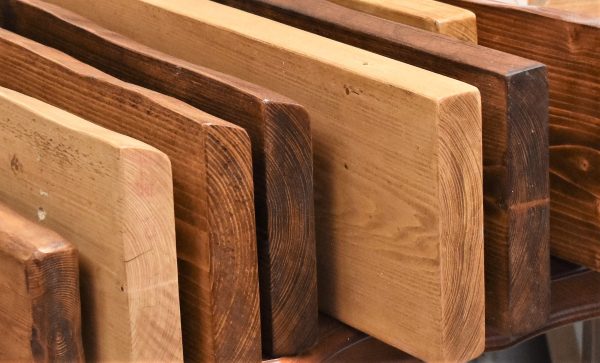 Why your home doesn’t feel right and how to fix i
Sometimes, you walk into a room and feel like something is missing. Maybe it looks too empty, too cluttered, or just...Read more
-
 How to make your home feel more stylish without spending a fortune
You don’t need a huge budget to make your home look stylish and inviting. With a few smart tricks, you can refresh...Read more
-
 How to transform any corner into a cozy reading have
There’s something magical about curling up with a good book in a cozy nook. Whether you’re escaping into a novel or...Read more
Every Chill House shelf is handmade to your length in our Middlesbrough workshop, with free UK delivery.
Leave a comment