
Most shelves look stable on the day they are installed. They appear straight, level and secure. The illusion of...
- There are no more items in your cart
- Shipping
- Total £0.00
Latest posts
-
 Why some shelves fail over time: A structural perspective on design, load and longevityRead more
 -
 Wall-mounted storage in modern homes: How to design shelves that improve space instead of overloading itRead more
Modern interiors are moving away from heavy, floor-based storage. Large cabinets, tall units and bulky shelving...
-
 The architecture of shelving: How wall storage shapes space, structure and everyday livingRead more
Shelves are often treated as accessories. They are added at the end of a project, once the walls are painted and the...
-
 Design that lasts – What Valentine’s Day can teach us about choosing betterRead more
Valentine’s Day is often reduced to a single moment. A gift, a gesture, a short-lived expression meant to capture...
-
 Designing storage for 2026 – A practical guide to shelving that will still make sense in ten yearsRead more
By 2026, storage is no longer treated as an afterthought. Homes are expected to work harder, adapt faster and stay...
-
 Designing for longevity – Why durability has become a design decisionRead more
For many years, interior design followed a predictable rhythm. Trends appeared, gained popularity and were quickly...
-
 Walls as functional architecture in contemporary homesRead more
In contemporary interiors, walls are often reduced to a purely visual function. They are painted, styled or...
-
 Why shelves fail and what actually makes them lastRead more
Most shelves don’t fail suddenly. They fail slowly. First they look fine, then they begin to dip slightly in the...
-
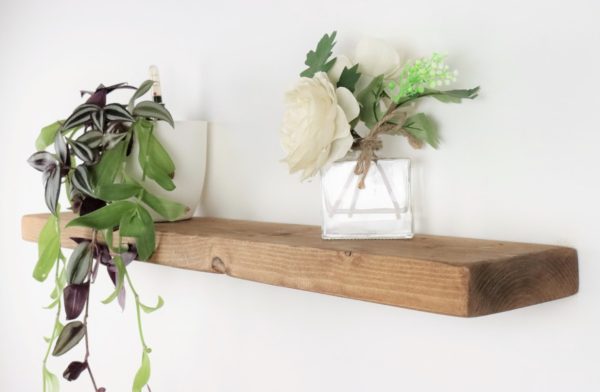 What makes a home feel finished – Even when it’s simpleRead more
There are homes that feel finished the moment you walk in, even though they are not full of furniture or decoration....
-
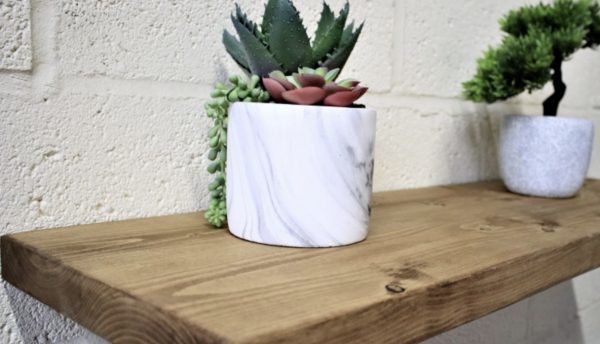 Why good shelving changes how a home feels – Even when you don’t notice itRead more
Most homes don’t feel unfinished because they lack furniture. They feel unfinished because nothing connects the space...
Blog categories
Search in blog
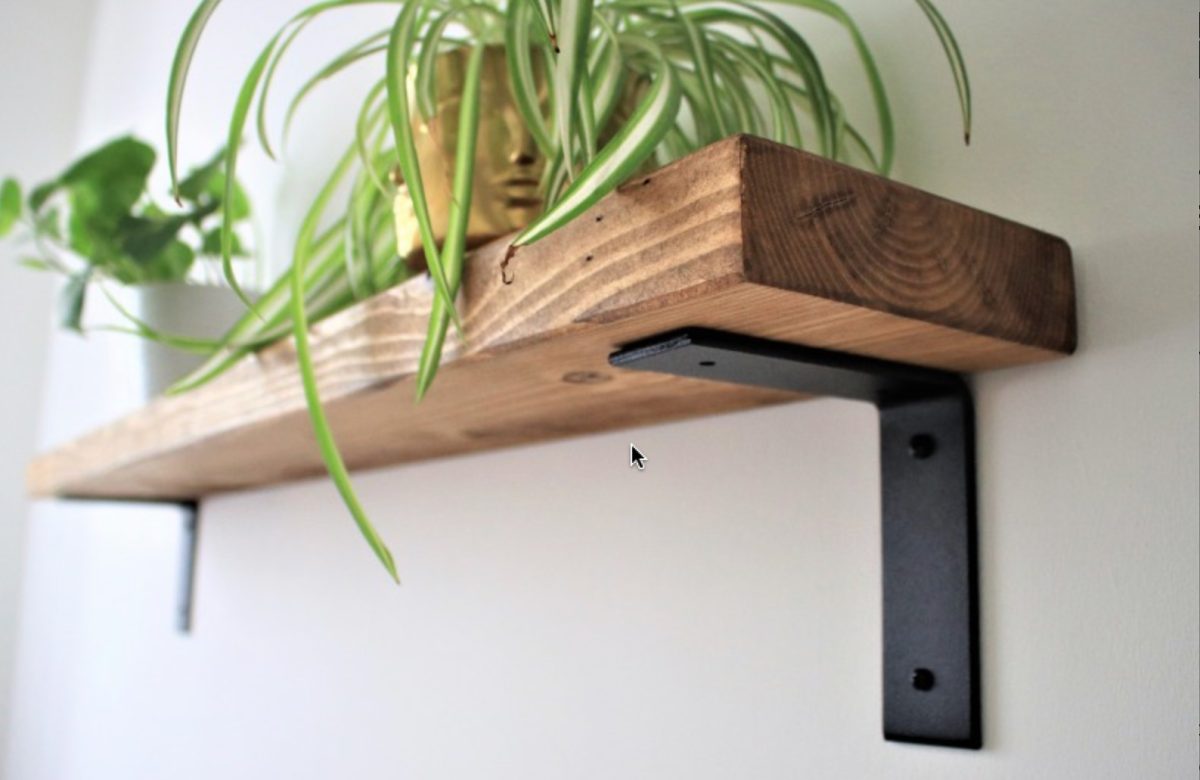
The history of wood in homes
Table of Contents
- Wood as the first building material
- How wood shaped early interiors
- Solid wood in traditional European homes
- The industrial shift and the rise of MDF
- Why people are returning to solid wood today
- Wood as a timeless interior element
- What the history of wood tells us about modern homes
Long before interiors became about style or trends, wood was simply a necessity. It was one of the first materials humans used to build shelters, furniture and tools. Easy to shape, widely available and strong enough to last, wood naturally became the foundation of early homes. From simple wooden beams to basic shelves carved directly into walls, wood defined how people lived indoors. This early relationship is one of the reasons solid wood still feels familiar and comforting in modern interiors — it connects us to something deeply rooted in human history.
2. How wood shaped early interiors
As homes evolved, wood stopped being only structural and started becoming functional and decorative. Wooden shelves, benches and storage surfaces appeared in kitchens, bedrooms and communal spaces. Everything was made from real wood, often by hand, using local materials. Each shelf or surface was slightly different, shaped by the grain and strength of the timber. This is where the idea of furniture as part of the home — not something separate or temporary — truly began. Even today, wooden shelves echo this tradition by becoming a natural extension of the wall rather than an added accessory.
3. Solid wood in traditional European homes
In traditional European interiors, especially in the UK and Scandinavia, solid wood furniture played a central role. Shelves were thick, durable and meant to last generations. Kitchens relied on open wooden shelving long before cabinets became common. Bedrooms used wooden ledges instead of side tables. Hallways featured narrow shelves for daily essentials. Wood was not chosen for fashion — it was chosen because it worked. This long-standing practicality is why solid wood shelves still feel appropriate in modern homes, even when the style is minimalist or contemporary.
4. The industrial shift and the rise of MDF
The biggest change came with industrialisation. Mass production introduced materials like MDF, particleboard and veneer. These materials made furniture cheaper and faster to produce, but they also changed how people viewed furniture. Shelves became disposable. Instead of lasting decades, they were replaced every few years. MDF shelves looked uniform, but they lacked depth, strength and the ability to age gracefully. Over time, many homeowners began to notice the downsides — sagging, chipping, swelling and a general loss of quality. This shift is important, because it explains why so many people are now actively choosing solid wood over MDF.
5. Why people are returning to solid wood today
Modern interiors are seeing a clear return to real wood. Homeowners want fewer items, but better ones. They want shelves that don’t bend, finishes that don’t peel and materials that feel natural rather than manufactured. Solid wood shelves meet all of these needs. They are strong, repairable and visually warm. Unlike MDF, solid wood develops character over time instead of wearing out. This return isn’t about nostalgia — it’s about durability, sustainability and creating homes that feel stable and well-designed.
6. Wood as a timeless interior element
One of the reasons wood never goes out of style is its versatility. Wooden shelves fit into almost any interior style. In modern homes, they add warmth to clean lines. In traditional interiors, they reinforce authenticity. In small spaces, they bring structure without visual heaviness. The natural grain, subtle colour variation and tactile surface of solid wood make it feel alive in a way synthetic materials never can. This timeless quality is why wood continues to appear in homes century after century, regardless of changing trends.
7. What the history of wood tells us about modern homes
Looking at the history of wood in interiors makes one thing clear: solid wood has always been about function, durability and balance. The way we use shelves today isn’t very different from how they were used hundreds of years ago. They organise space, support daily life and become part of the home itself. Choosing solid wood shelves today isn’t just a design decision — it’s a continuation of a long tradition of using materials that last, age well and make spaces feel grounded.
Posted in:
Default category
Related posts
-
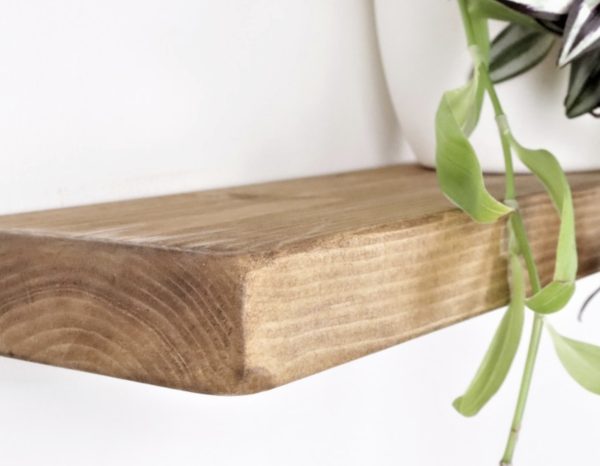 5 creative ways to style wooden shelves in Your home
Wooden shelves can bring a whole new vibe to your room. With a few creative ideas, even the plainest shelf can become...Read more
5 creative ways to style wooden shelves in Your home
Wooden shelves can bring a whole new vibe to your room. With a few creative ideas, even the plainest shelf can become...Read more -
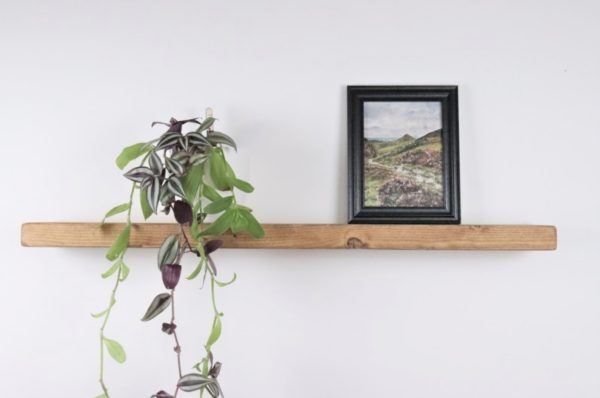 No more boring shelves - here’s how to make them look amazing
At Chill House, we’re all about making spaces feel cozy, stylish, and effortless. And one of the easiest ways to do...Read more
No more boring shelves - here’s how to make them look amazing
At Chill House, we’re all about making spaces feel cozy, stylish, and effortless. And one of the easiest ways to do...Read more -
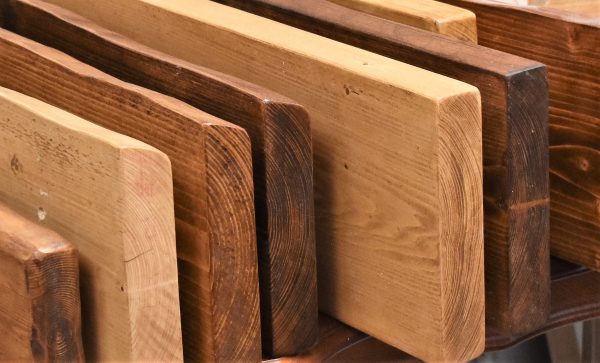 Why your home doesn’t feel right and how to fix i
Sometimes, you walk into a room and feel like something is missing. Maybe it looks too empty, too cluttered, or just...Read more
Why your home doesn’t feel right and how to fix i
Sometimes, you walk into a room and feel like something is missing. Maybe it looks too empty, too cluttered, or just...Read more -
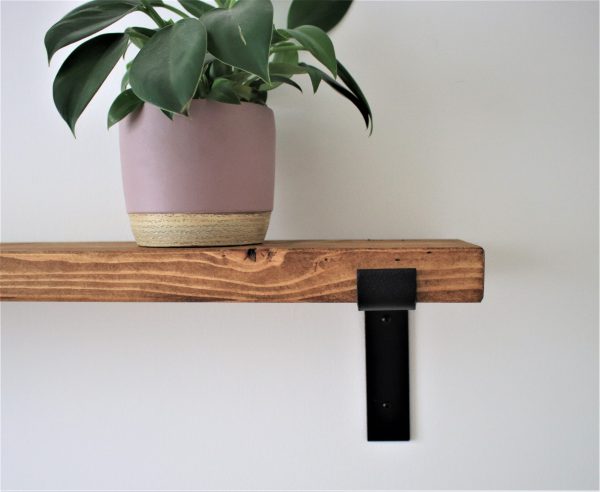 How to make your home feel more stylish without spending a fortune
You don’t need a huge budget to make your home look stylish and inviting. With a few smart tricks, you can refresh...Read more
How to make your home feel more stylish without spending a fortune
You don’t need a huge budget to make your home look stylish and inviting. With a few smart tricks, you can refresh...Read more -
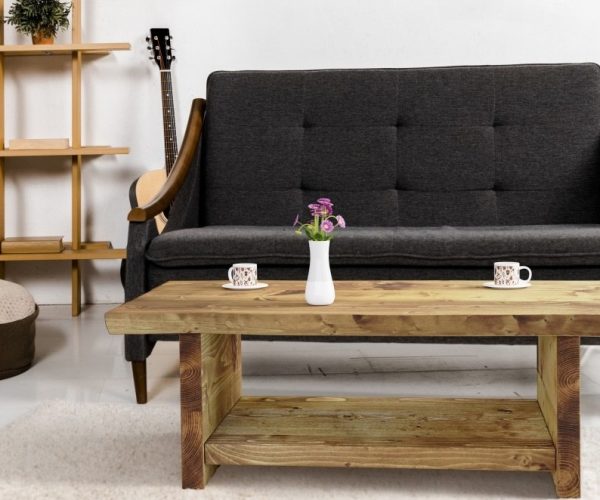 How to transform any corner into a cozy reading have
There’s something magical about curling up with a good book in a cozy nook. Whether you’re escaping into a novel or...Read more
How to transform any corner into a cozy reading have
There’s something magical about curling up with a good book in a cozy nook. Whether you’re escaping into a novel or...Read more
Every Chill House shelf is handmade to your length in our Middlesbrough workshop, with free UK delivery.
Leave a comment