
Most shelves look stable on the day they are installed. They appear straight, level and secure. The illusion of...
- There are no more items in your cart
- Shipping
- Total £0.00
Latest posts
-
 Why some shelves fail over time: A structural perspective on design, load and longevityRead more
 -
 Wall-mounted storage in modern homes: How to design shelves that improve space instead of overloading itRead more
Modern interiors are moving away from heavy, floor-based storage. Large cabinets, tall units and bulky shelving...
-
 The architecture of shelving: How wall storage shapes space, structure and everyday livingRead more
Shelves are often treated as accessories. They are added at the end of a project, once the walls are painted and the...
-
 Design that lasts – What Valentine’s Day can teach us about choosing betterRead more
Valentine’s Day is often reduced to a single moment. A gift, a gesture, a short-lived expression meant to capture...
-
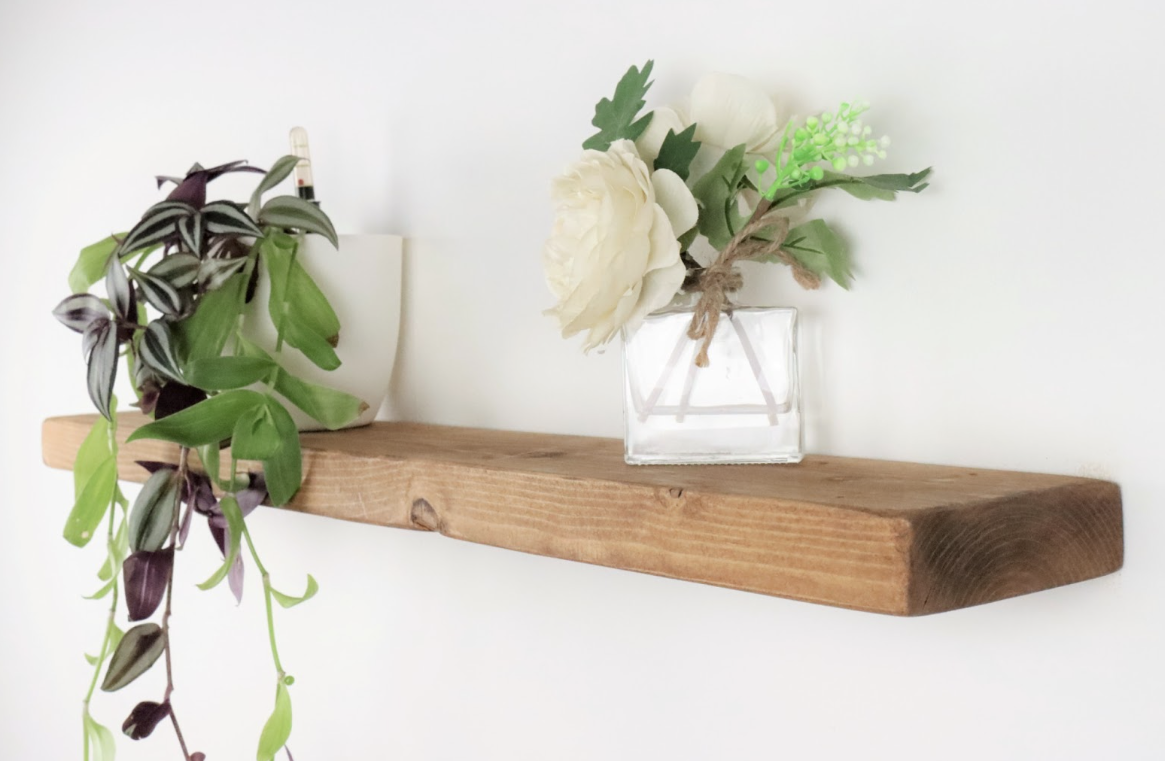 Designing storage for 2026 – A practical guide to shelving that will still make sense in ten yearsRead more
By 2026, storage is no longer treated as an afterthought. Homes are expected to work harder, adapt faster and stay...
-
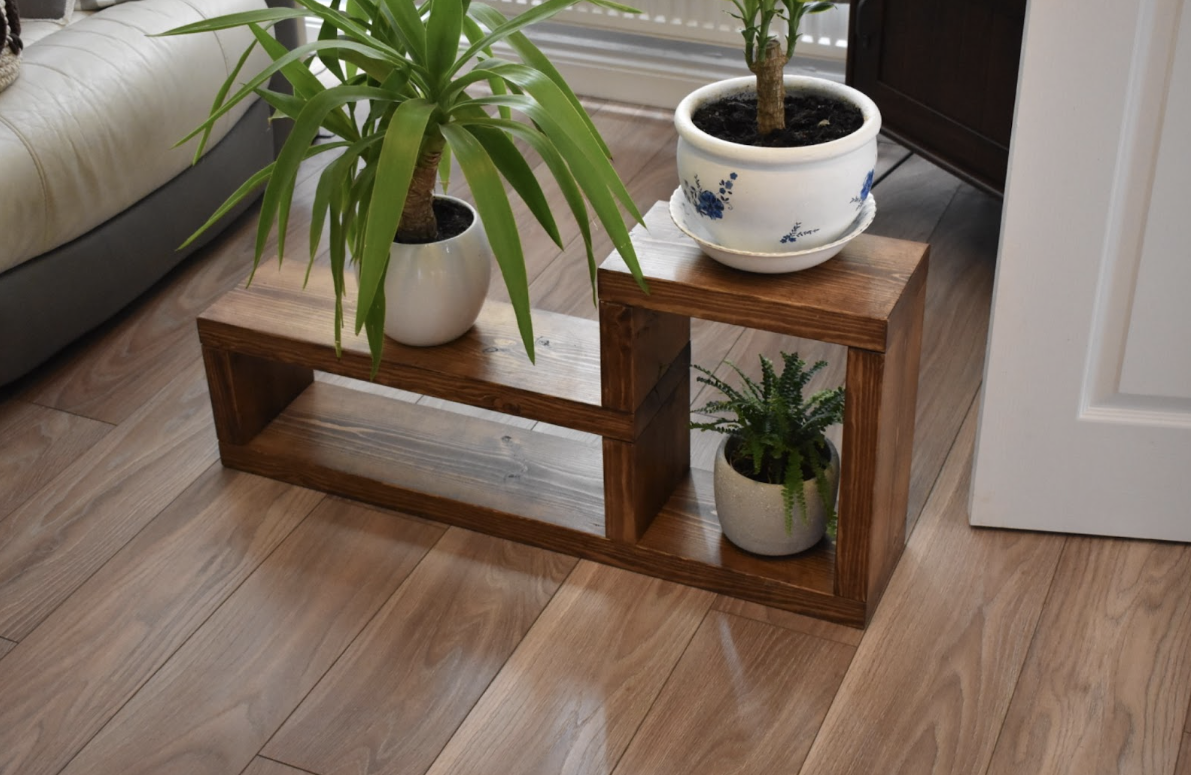 Designing for longevity – Why durability has become a design decisionRead more
For many years, interior design followed a predictable rhythm. Trends appeared, gained popularity and were quickly...
-
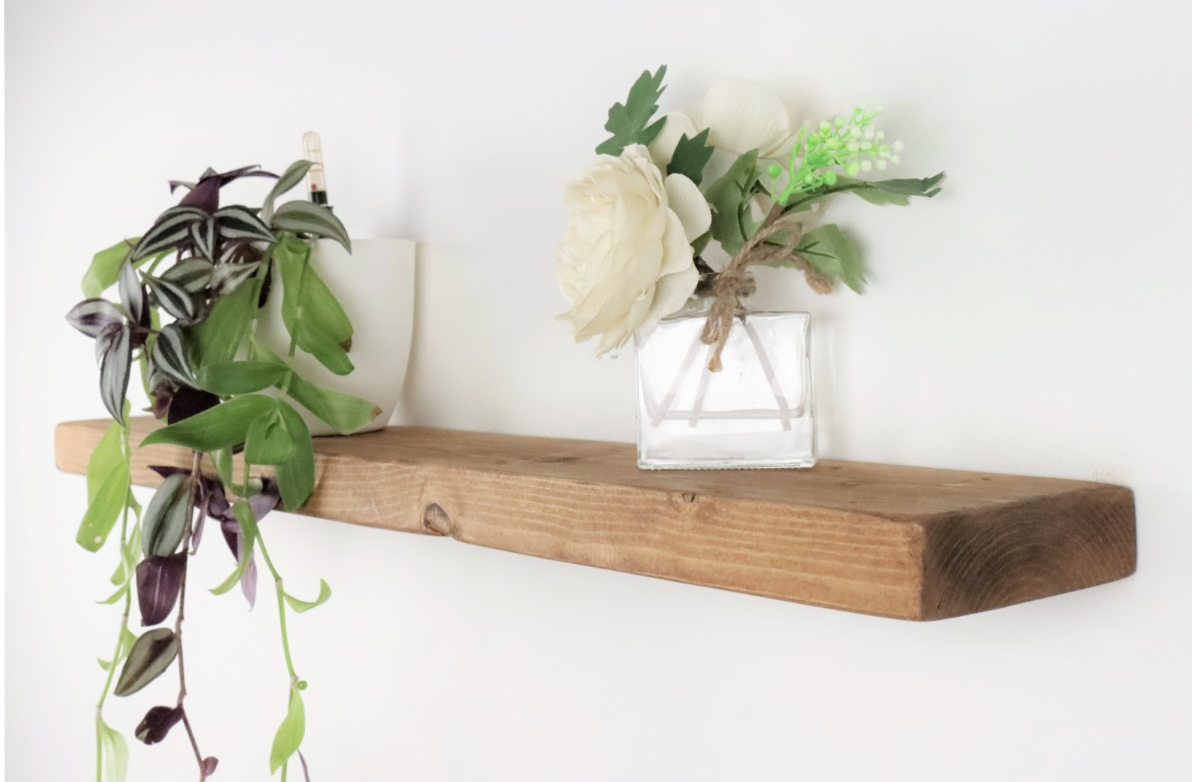 Walls as functional architecture in contemporary homesRead more
In contemporary interiors, walls are often reduced to a purely visual function. They are painted, styled or...
-
 Why shelves fail and what actually makes them lastRead more
Most shelves don’t fail suddenly. They fail slowly. First they look fine, then they begin to dip slightly in the...
-
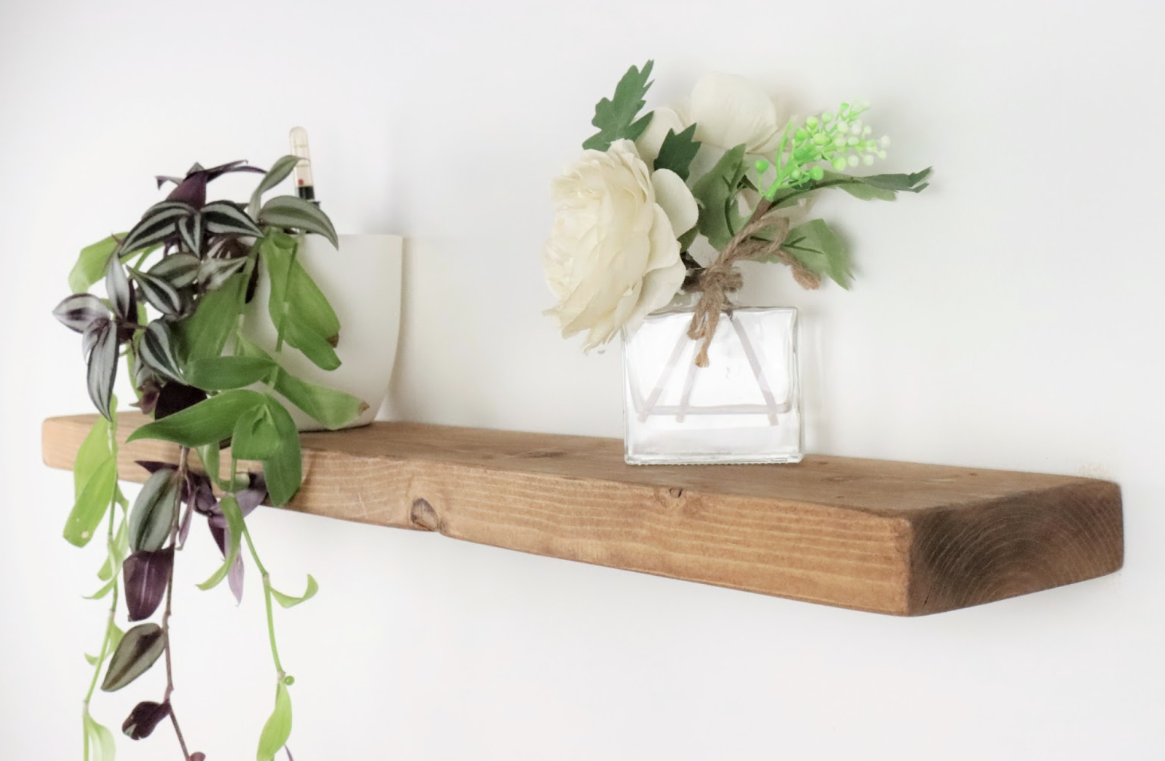 What makes a home feel finished – Even when it’s simpleRead more
There are homes that feel finished the moment you walk in, even though they are not full of furniture or decoration....
-
 Why good shelving changes how a home feels – Even when you don’t notice itRead more
Most homes don’t feel unfinished because they lack furniture. They feel unfinished because nothing connects the space...
Blog categories
Search in blog
The benefits of choosing solid wood over MDF
List of Contents
- The benefits of choosing solid wood over MDF
- Why durability sets solid wood apart
- Aesthetic depth and natural character
- Better long-term value and sustainability
- Structural strength for everyday use
- Moisture resistance and stability
- Authentic craftsmanship and repairability
- A timeless appearance that fits any interior style
- Conclusion
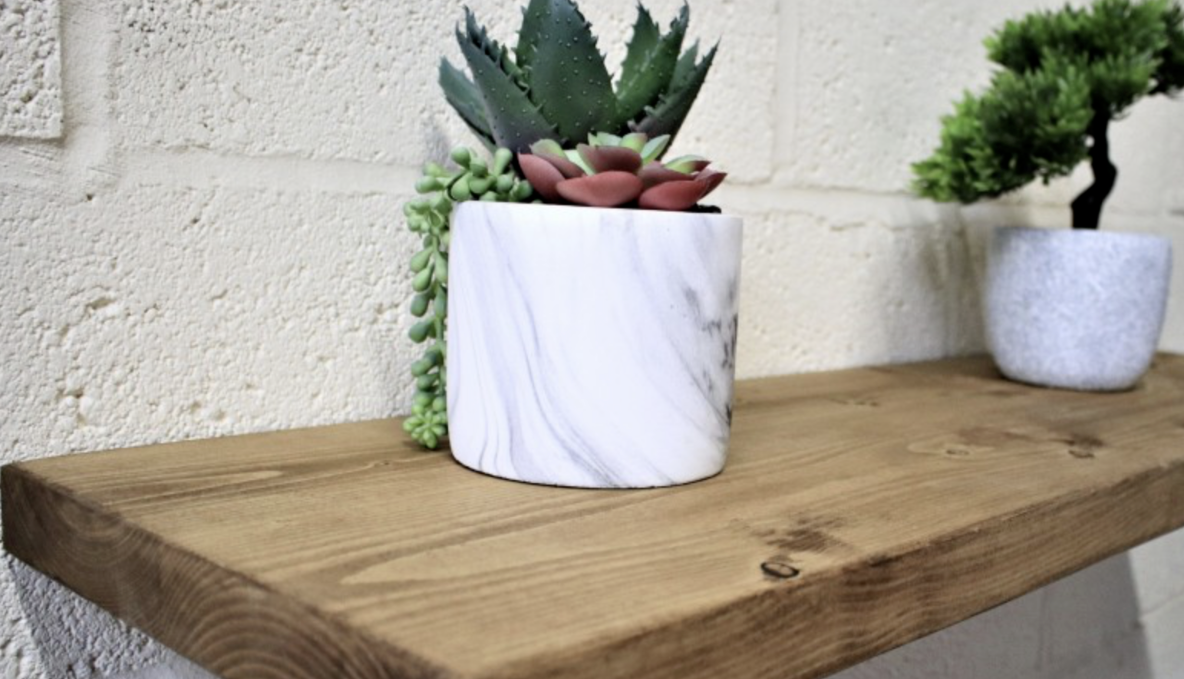
Choosing the right material for shelves, furniture or interior elements has a long-term impact on how a home looks, performs and ages. Although Medium Density Fibreboard, commonly known as MDF, is widely available and often chosen for its low cost, it behaves very differently from natural materials. In contrast, solid wood remains one of the most reliable, durable and visually appealing options for any household item that needs strength, stability and longevity. The differences between the two materials become even more visible with time and daily use, and understanding them allows homeowners to make decisions that add real value to their living spaces rather than choosing products that deteriorate quickly.
Why durability sets solid wood apart
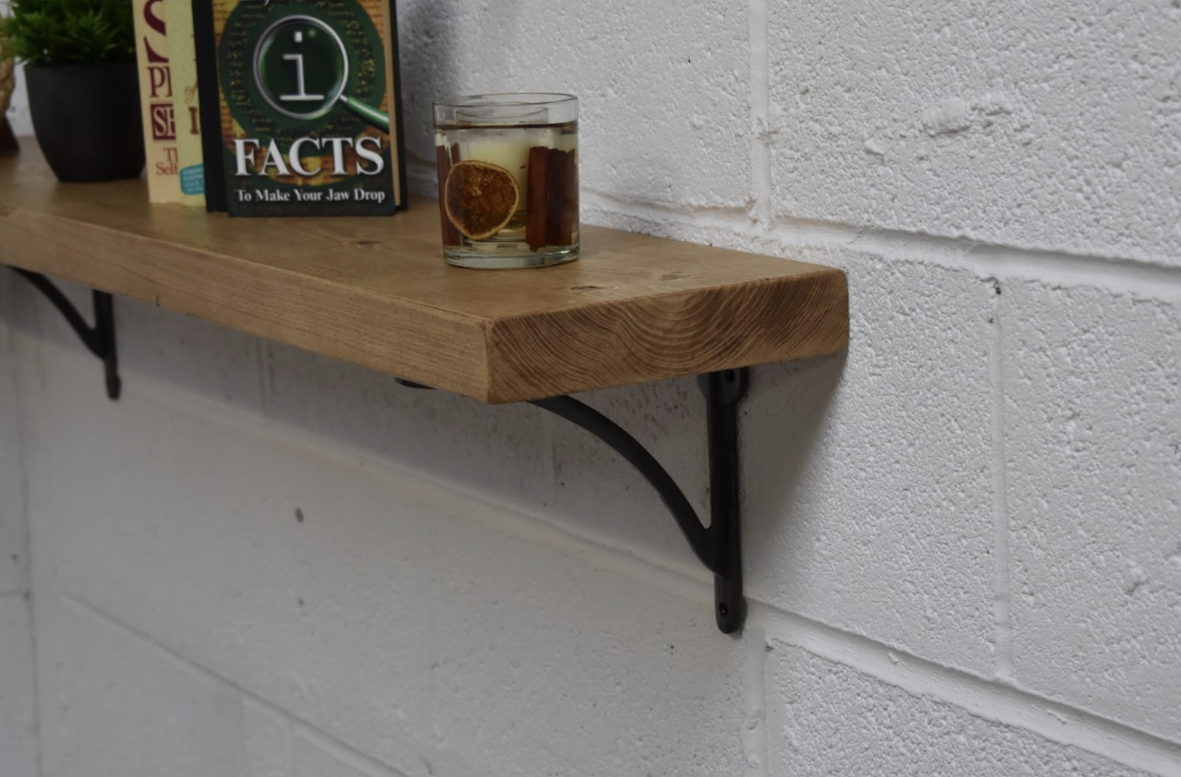
One of the defining characteristics of solid wood is its structural integrity. A shelf or piece of furniture made from real timber can carry far more weight than MDF, which is compressed wood fibre held together with resin. Solid wood maintains its shape even after years of use, while MDF gradually weakens, especially when exposed to humidity, temperature changes or heavy loads. This is why a solid wood shelf remains straight and reliable, whereas MDF often begins to sag in the centre or swell around the edges. Homes with shifting moisture levels, such as kitchens and bathrooms, highlight these differences quickly, because solid wood is naturally more resistant to warping.
Aesthetic depth and natural character
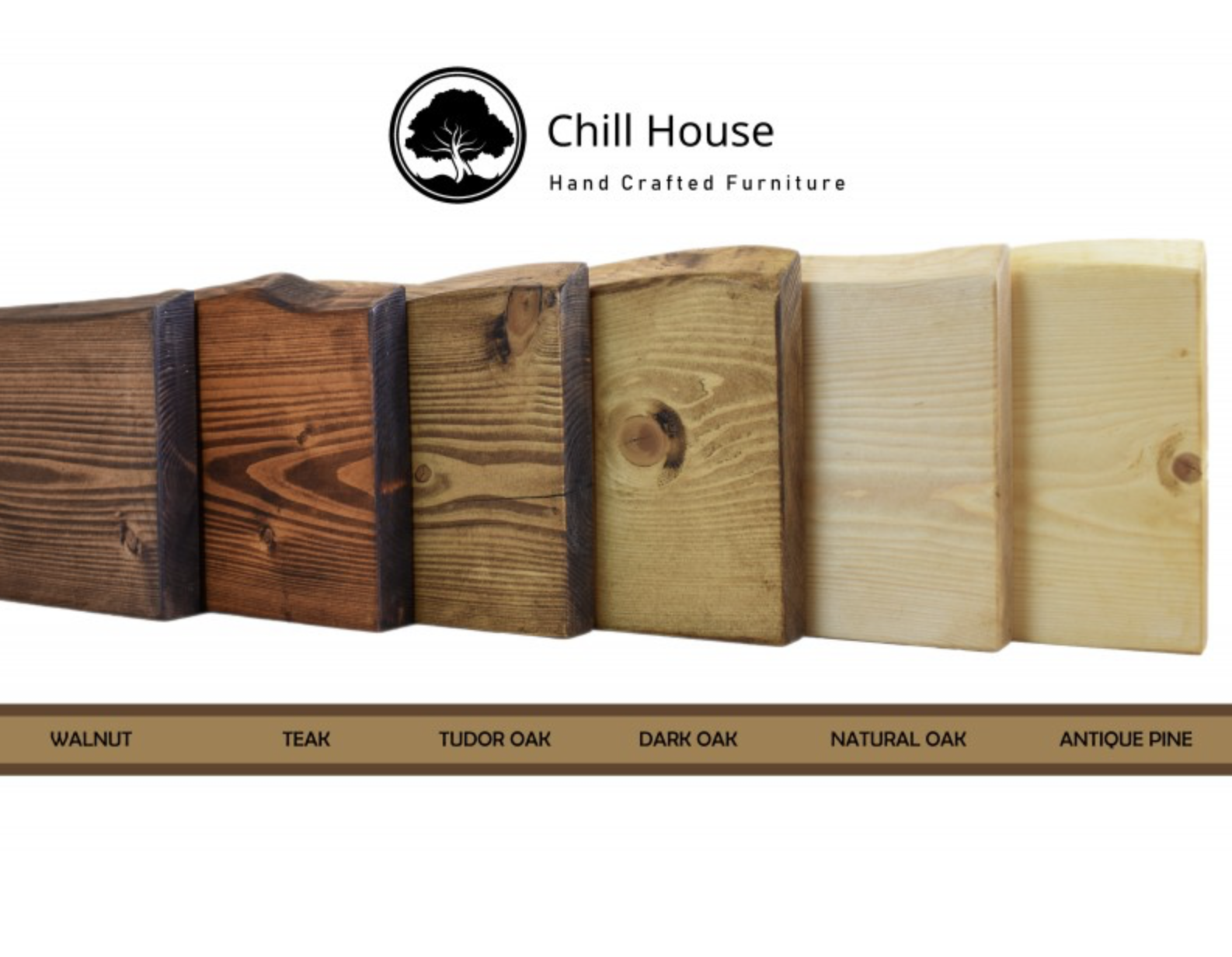
The aesthetic difference between solid wood and MDF is impossible to ignore. Real wood carries texture, grain, variation and natural warmth that cannot be replicated by printed laminates or uniform boards. The appearance of solid wood shelves improves over time, developing richer tones as they age and interact with light. MDF, on the other hand, remains flat and lifeless, showing wear more quickly and offering no improvement as the years pass. A room with authentic wood surfaces feels more grounded and inviting because natural materials visually enrich the environment. This is exactly why interior designers consistently choose solid wood when the goal is to create a warm, timeless interior rather than a disposable, short-term solution.
Better long-term value and sustainability
Although MDF may initially appear to be the more budget-friendly option, its shorter lifespan often makes it more expensive in the long run. The need to replace sagging shelves, chipped edges or swollen panels leads to repeated purchases and unnecessary waste. Solid wood lasts significantly longer and can be repaired, refinished, sanded or re-oiled, making it a far more sustainable choice. Instead of discarding damaged components, homeowners can refresh and maintain the natural surface, extending the lifespan for decades. Because solid wood is biodegradable, renewable and recyclable, its environmental impact is considerably lower than synthetic boards that rely heavily on resins, glues and industrial processing.
Structural strength for everyday use
Weight-bearing capacity is one of the most important factors when choosing shelving or storage. Books, ceramics, kitchenware and décor items quickly exceed the safe limits of MDF if the shelf is thin or unsupported. Solid wood performs better because the fibres of natural timber are stronger, more elastic and more resistant to localized pressure. This means that a solid wood shelf can maintain its rigidity even when used daily or loaded heavily, whereas MDF surfaces begin to fatigue over time. For homeowners who want long-lasting reliability, the structural strength of natural wood provides confidence and reduces the risk of damage, bending or failure.
Moisture resistance and stability
One of the most common issues with MDF is moisture absorption. Even a small spill, high humidity or accidental water exposure can cause swelling, bubbling or separation at the joints. Because MDF relies on compacted fibres, water weakens the adhesive structure and permanently damages its shape. Solid wood, when properly sealed with oil or varnish, withstands moisture significantly better. Bathrooms, kitchens, entryways and homes with variable temperature benefit from wood’s natural ability to expand and contract without collapsing. This property makes solid wood the more stable and predictable material for long-term installations in real living conditions.
Authentic craftsmanship and repairability
A major advantage of solid wood furniture is that it can be crafted, shaped and finished with precision. Edges can be rounded, surfaces can be smoothed, and finishes can be tailored to fit the design of the home. With MDF, the surface limits what can be done; sanding or deep shaping exposes the fibre core and ruins the finish. Solid wood adapts to craftsmanship in a way that MDF cannot replicate. Scratches, dents or wear marks can be repaired rather than replaced, allowing homeowners to maintain the same piece for years without compromising appearance or function. The ability to renew the material is a defining difference between natural and engineered boards.
A timeless appearance that fits any interior style
Whether a home is modern, rustic, Scandinavian, minimalist or traditional, solid wood integrates effortlessly. Its visual neutrality and warmth allow it to work alongside both contemporary and classic materials. MDF, in contrast, depends on artificial finishes that often trend out of style or look dated after a short period. Because natural timber ages gracefully, a solid wood shelf continues to feel relevant and attractive even when interior styles evolve. This timeless quality is one of the main reasons homeowners increasingly prefer wooden shelves over mass-produced alternatives.
Conclusion
Choosing solid wood over MDF is more than a design preference; it is a long-term investment in durability, appearance and sustainability. Solid wood provides strength, stability, repairability and natural beauty that improves with time, while MDF struggles to maintain its structure and appearance under everyday conditions. For homeowners who want shelves, furniture or interior elements that truly last, solid wood offers significantly higher value and a more satisfying visual result. Whether used in kitchens, living rooms, bedrooms or workspaces, it consistently outperforms MDF in every meaningful category, making it the superior choice for long-lasting interiors.
Posted in:
Default category
Related posts
-
 5 creative ways to style wooden shelves in Your home
Wooden shelves can bring a whole new vibe to your room. With a few creative ideas, even the plainest shelf can become...Read more
5 creative ways to style wooden shelves in Your home
Wooden shelves can bring a whole new vibe to your room. With a few creative ideas, even the plainest shelf can become...Read more -
 No more boring shelves - here’s how to make them look amazing
At Chill House, we’re all about making spaces feel cozy, stylish, and effortless. And one of the easiest ways to do...Read more
No more boring shelves - here’s how to make them look amazing
At Chill House, we’re all about making spaces feel cozy, stylish, and effortless. And one of the easiest ways to do...Read more -
 Why your home doesn’t feel right and how to fix i
Sometimes, you walk into a room and feel like something is missing. Maybe it looks too empty, too cluttered, or just...Read more
Why your home doesn’t feel right and how to fix i
Sometimes, you walk into a room and feel like something is missing. Maybe it looks too empty, too cluttered, or just...Read more -
 How to make your home feel more stylish without spending a fortune
You don’t need a huge budget to make your home look stylish and inviting. With a few smart tricks, you can refresh...Read more
How to make your home feel more stylish without spending a fortune
You don’t need a huge budget to make your home look stylish and inviting. With a few smart tricks, you can refresh...Read more -
 How to transform any corner into a cozy reading have
There’s something magical about curling up with a good book in a cozy nook. Whether you’re escaping into a novel or...Read more
How to transform any corner into a cozy reading have
There’s something magical about curling up with a good book in a cozy nook. Whether you’re escaping into a novel or...Read more
Leave a comment