
Most shelves look stable on the day they are installed. They appear straight, level and secure. The illusion of...
- There are no more items in your cart
- Shipping
- Total £0.00
Latest posts
-
 Why some shelves fail over time: A structural perspective on design, load and longevityRead more
 -
 Wall-mounted storage in modern homes: How to design shelves that improve space instead of overloading itRead more
Modern interiors are moving away from heavy, floor-based storage. Large cabinets, tall units and bulky shelving...
-
 The architecture of shelving: How wall storage shapes space, structure and everyday livingRead more
Shelves are often treated as accessories. They are added at the end of a project, once the walls are painted and the...
-
 Design that lasts – What Valentine’s Day can teach us about choosing betterRead more
Valentine’s Day is often reduced to a single moment. A gift, a gesture, a short-lived expression meant to capture...
-
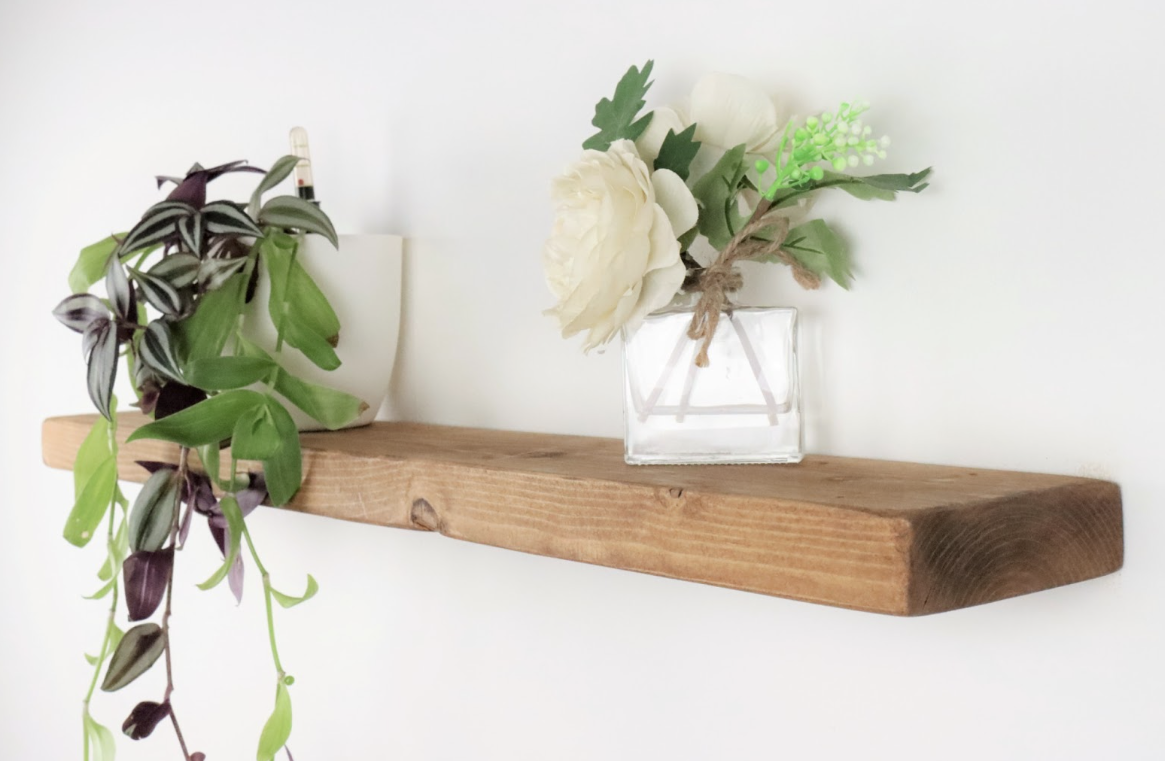 Designing storage for 2026 – A practical guide to shelving that will still make sense in ten yearsRead more
By 2026, storage is no longer treated as an afterthought. Homes are expected to work harder, adapt faster and stay...
-
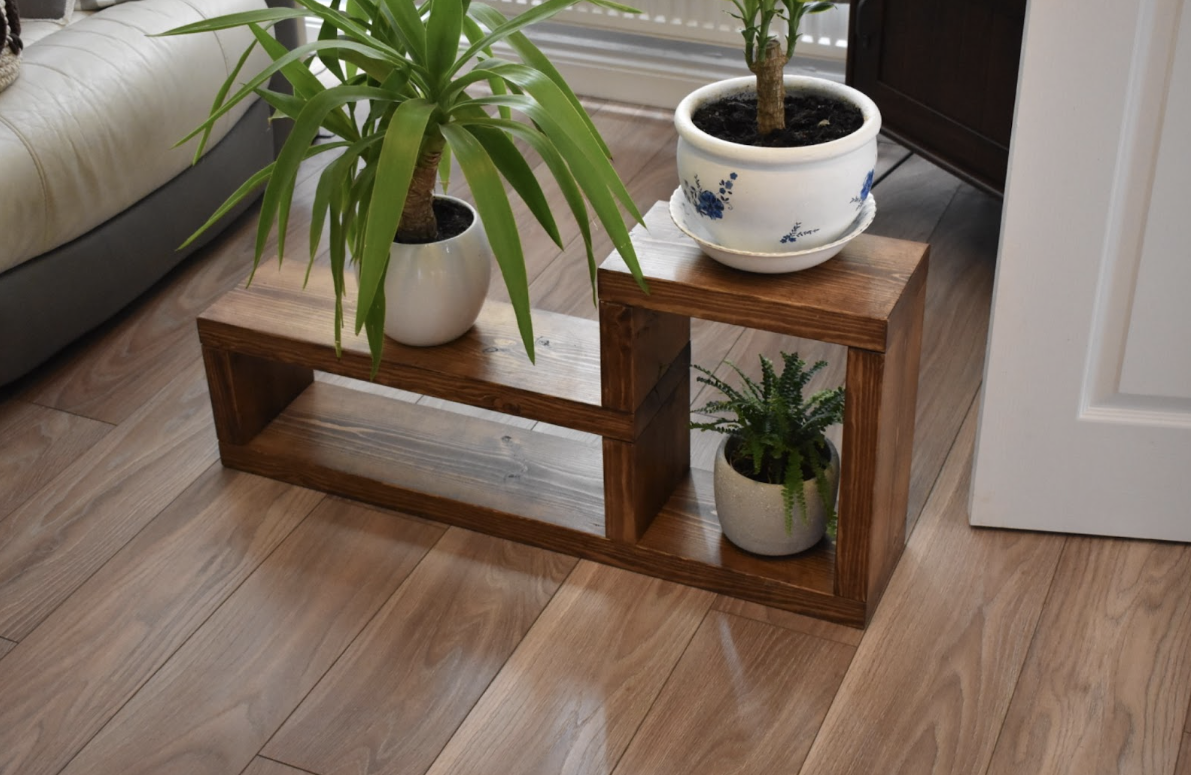 Designing for longevity – Why durability has become a design decisionRead more
For many years, interior design followed a predictable rhythm. Trends appeared, gained popularity and were quickly...
-
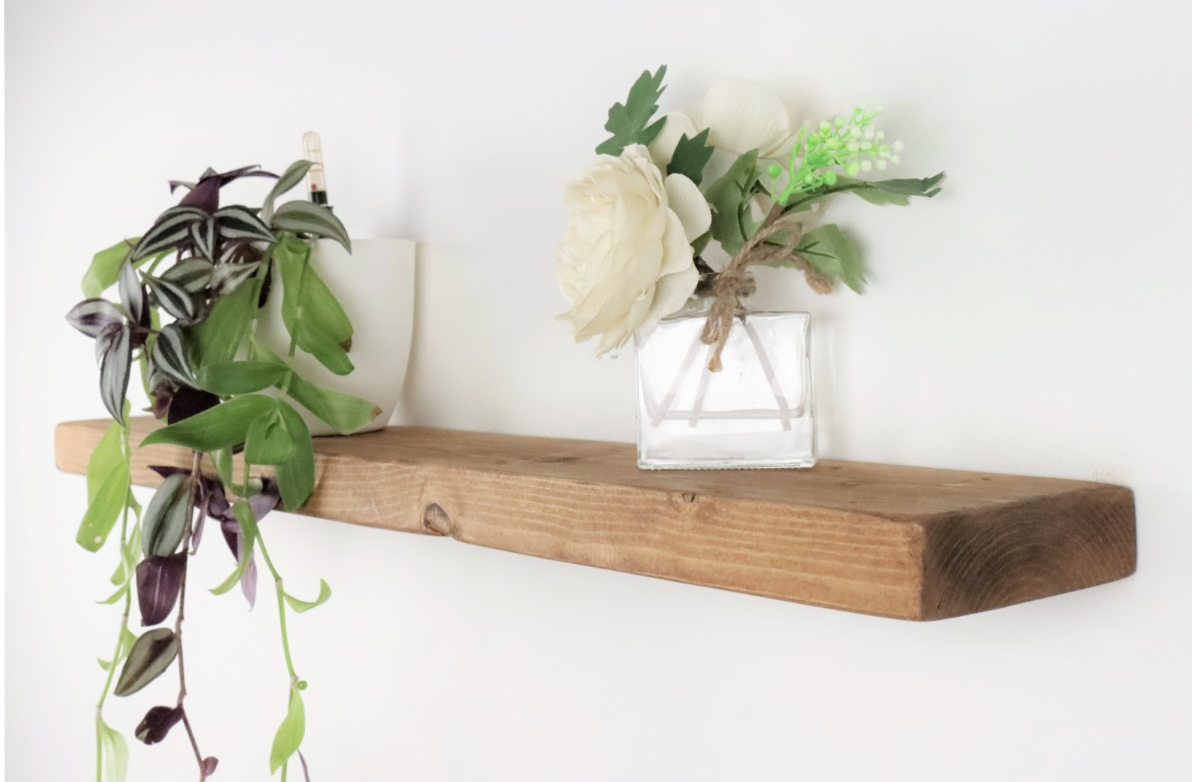 Walls as functional architecture in contemporary homesRead more
In contemporary interiors, walls are often reduced to a purely visual function. They are painted, styled or...
-
 Why shelves fail and what actually makes them lastRead more
Most shelves don’t fail suddenly. They fail slowly. First they look fine, then they begin to dip slightly in the...
-
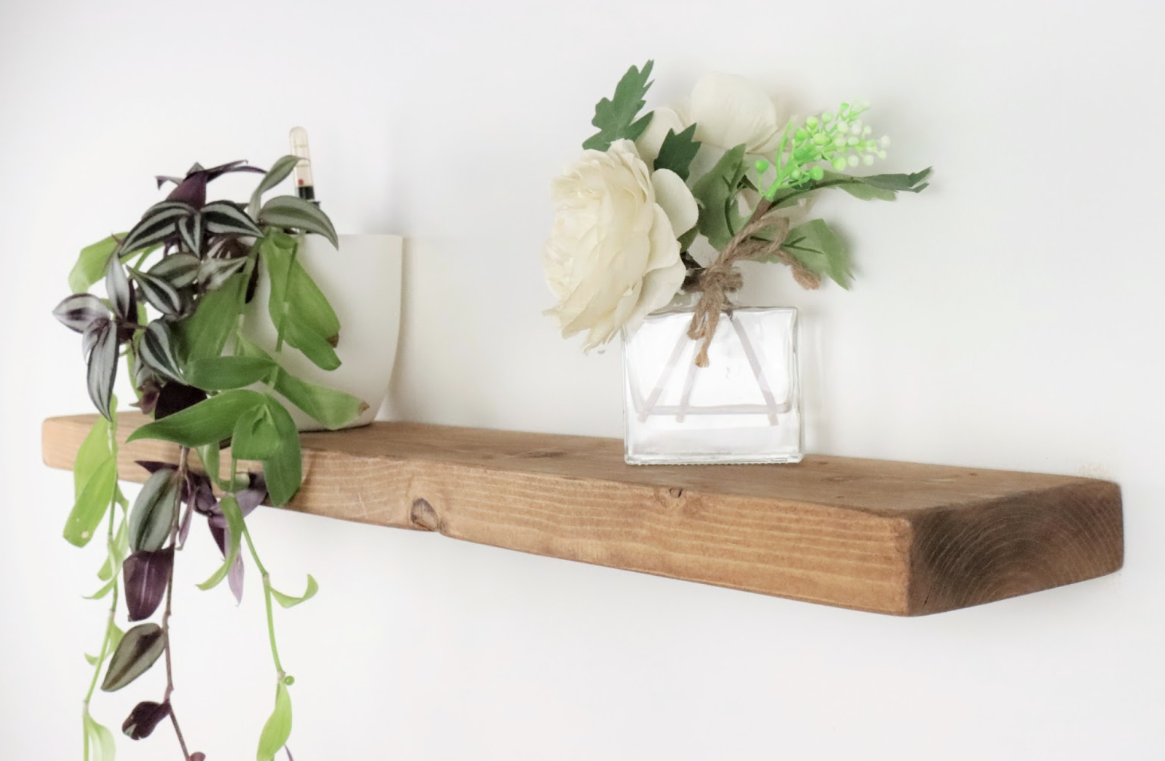 What makes a home feel finished – Even when it’s simpleRead more
There are homes that feel finished the moment you walk in, even though they are not full of furniture or decoration....
-
 Why good shelving changes how a home feels – Even when you don’t notice itRead more
Most homes don’t feel unfinished because they lack furniture. They feel unfinished because nothing connects the space...
Blog categories
Search in blog

A complete guide to choosing the perfect shelf
List of Contents
- Understanding the role of a shelf
- Choosing the right size
- Finding the right placement
- Selecting the right material and finish
- Making your shelf work with your styling
- When custom shelves make the biggest difference
- Final thoughts
Understanding the role of a shelf
A shelf may look like a simple piece of wood on the wall, but in interior design it plays a far more important role. It influences the proportions of a room, shapes how your eye travels across the space and quietly defines the mood of the environment you live in. A good shelf connects practicality with aesthetics: it organises, anchors and warms a room while staying visually light. Before choosing the perfect shelf, it is worth understanding what you want it to do. Some shelves act as architectural lines that bring structure to a bare wall, others serve as places for books, plants or everyday objects that need a home. When you understand the purpose, choosing the right shelf becomes far easier and more intentional.
Choosing the right size
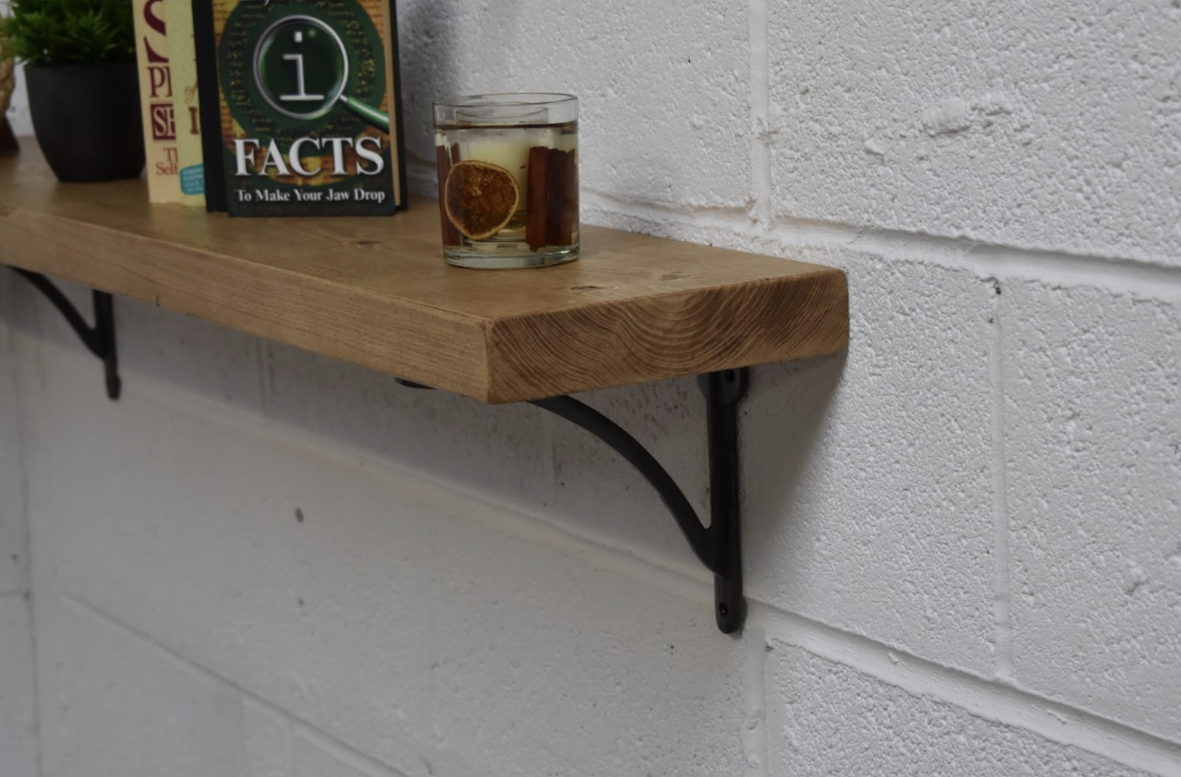
Size is one of the most important factors when choosing a shelf. The depth of a shelf determines how it behaves in a room. Shallow shelves are ideal for decorative pieces, candles, framed photos and small plants because they give the wall visual clarity without stealing space. They work beautifully above sofas and beds, where you want the wall to feel open rather than heavy. Deeper shelves create a stronger visual presence and are essential for books, vinyl records or large objects. They hold more weight, they look more substantial and they immediately give the room a sense of groundedness. Length matters just as much. A shelf that’s too short looks accidental, while one that stretches too far can dominate the wall. A good rule is to match the shelf to the proportions of the furniture below or to the width of the wall. The goal is harmony, not imbalance. When in doubt, choosing a custom length ensures the shelf sits naturally within the space.
Finding the right placement
Placement determines how the shelf interacts with the rest of the room. A shelf installed too high feels disconnected, while one placed too low disrupts the flow of the room. The ideal height often sits at or slightly below eye level, where the shelf becomes a natural continuation of the room’s architecture. If the shelf hangs above a piece of furniture, such as a sofa or console, leaving thirty to forty centimetres of space creates a clean visual break and keeps the room open. In small rooms, placement is even more important. A single well-positioned shelf can make the wall feel taller, the room more structured and the space more coherent. Every room has a “sweet spot” where a shelf feels like it belongs; the key is to find that point where it enhances the room without overwhelming it.
Selecting the right material and finish
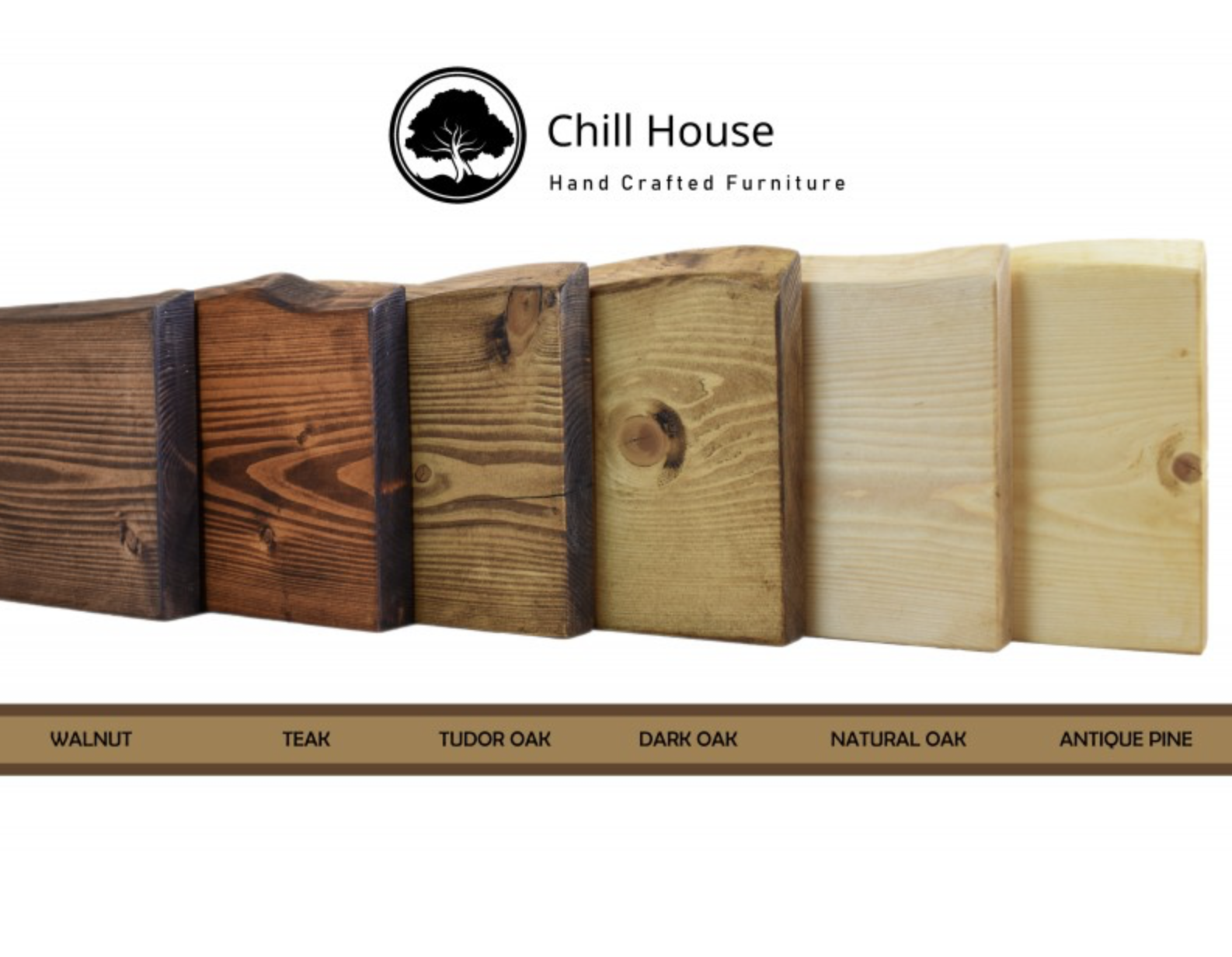
Material completely changes how a shelf feels, performs and ages. Solid wood is the timeless standard because it ages beautifully, carries natural warmth and has a depth that engineered boards cannot imitate. MDF and laminate may look clean at first glance, but they lack the durability and character of real timber. Natural wood responds to light, takes on richer tones over time and can be re-oiled or refreshed even after years of use. Choosing the right finish is equally important. A natural, lightly oiled surface highlights the grain, giving the shelf texture and visual interest. A warmer shade brings cosiness into modern interiors, while deeper wood tones create elegant contrast against pale walls. The finish shouldn’t hide the wood — it should reveal it.
Making your shelf work with your styling
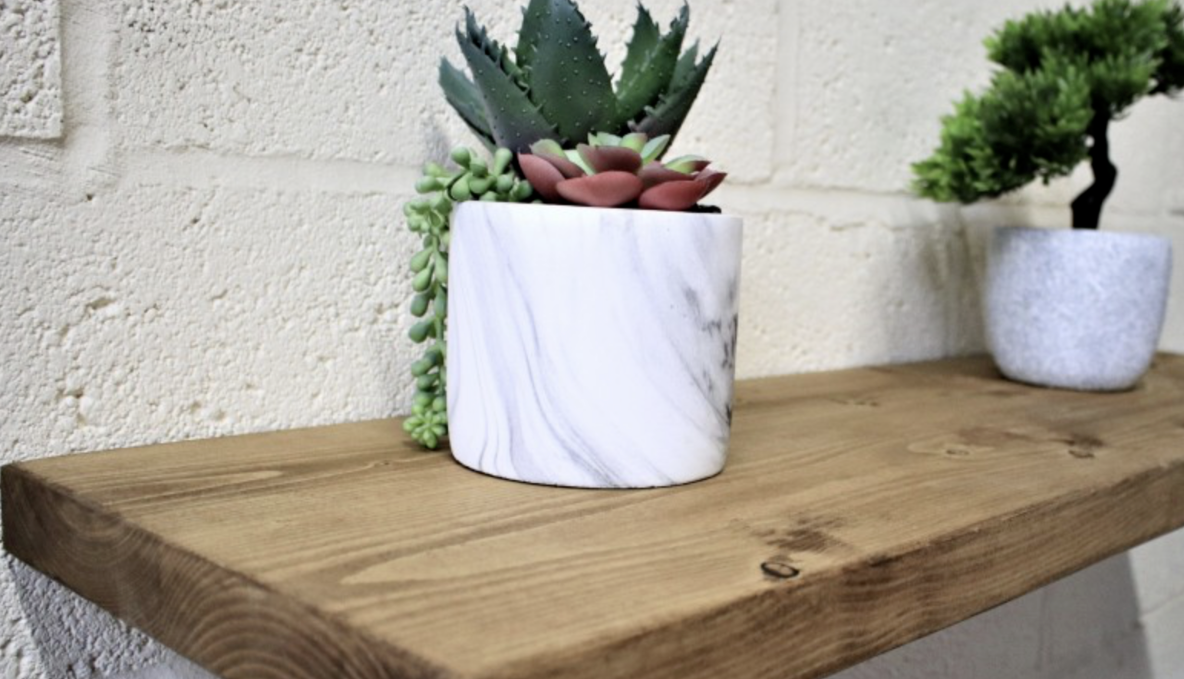
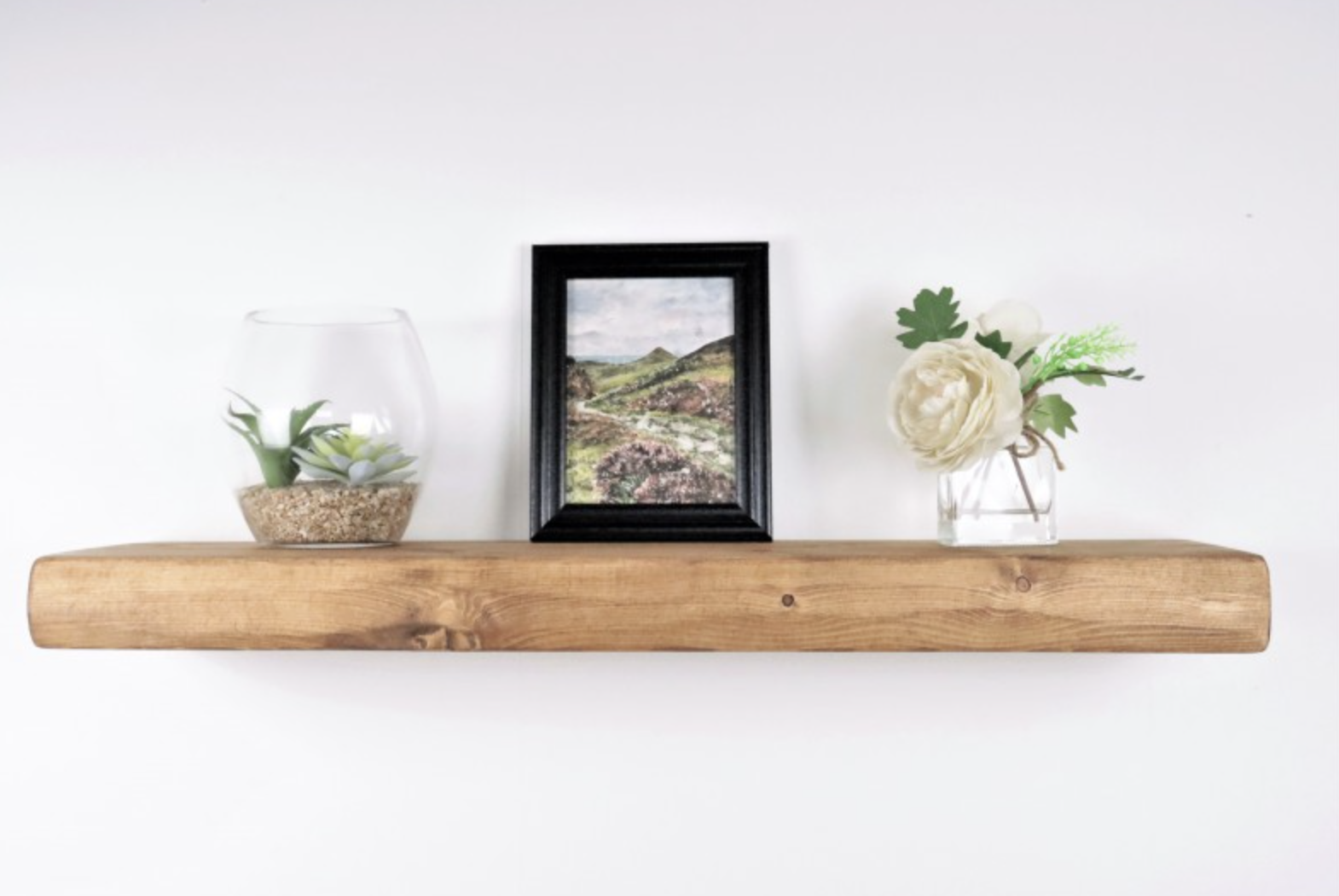
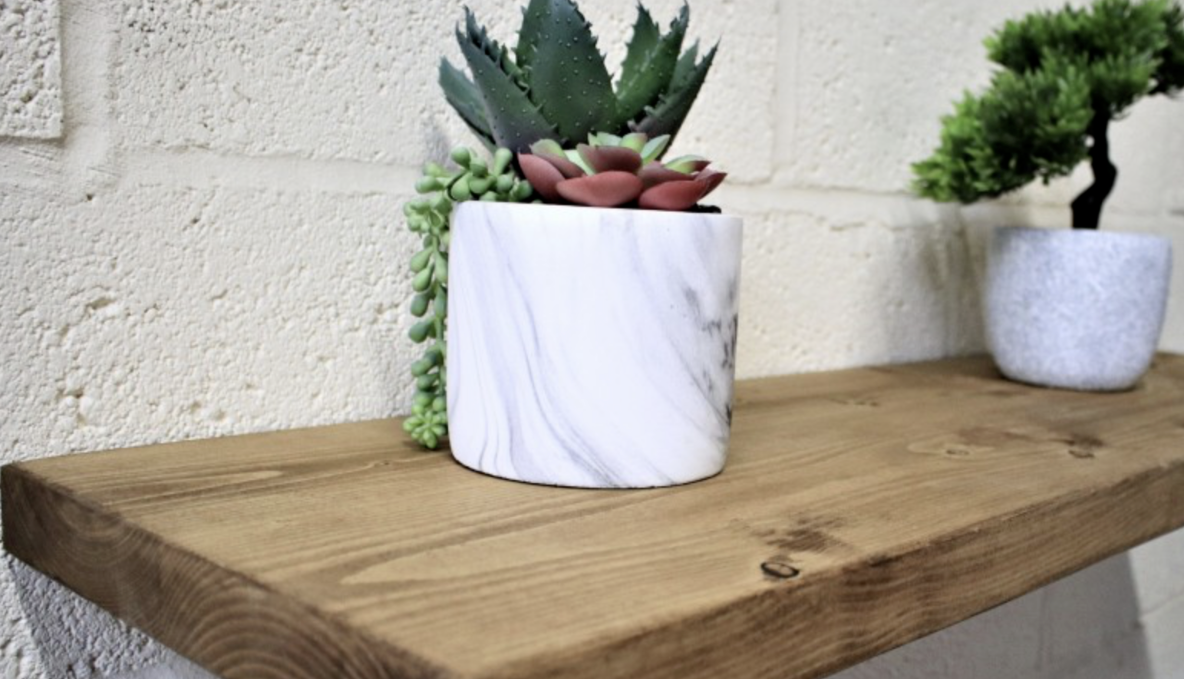
A shelf becomes part of the room when it is styled thoughtfully. The objects you place on it should complement the material, not compete with it. Styling works best when you create balance through height, texture and spacing. A plant adds movement, a candle adds warmth, a small stack of books adds grounding and a decorative object introduces personality. The secret is to avoid clutter. Empty space is just as important as the objects themselves because it lets the shelf breathe and keeps the room feeling calm. A well-styled shelf doesn’t look curated – it looks natural, as if everything found its place effortlessly.
When custom shelves make the biggest difference
Not all spaces work with standard furniture. Many homes have narrow walls, awkward corners or unusually wide areas that demand a shelf built specifically for them. That is where custom shelves become invaluable. A made-to-measure shelf means millimetre-level precision, a perfect fit and a finished look that feels tailored rather than improvised. It also allows you to decide the exact depth, colour and edge profile so the shelf integrates seamlessly with the rest of the room. Custom work isn’t only for difficult spaces; it’s also for people who want furniture that feels intentional rather than generic. When the shelf is crafted exactly for your home, it looks like it has always belonged there.
Final thoughts
The perfect shelf is one that strengthens the room, supports your daily routine and adds warmth to your home. It doesn’t need to be complicated or oversized. It simply needs to be well-chosen, well-placed and made from materials that stand the test of time. Solid wood brings honesty and depth that make any interior feel more human. A single good shelf can soften a modern room, organise a small one and elevate a simple space into something meaningful. When you choose intentionally, you don’t just buy a shelf – you shape the way your home feels, functions and welcomes you every day.
Posted in:
Default category
Related posts
-
 5 creative ways to style wooden shelves in Your home
Wooden shelves can bring a whole new vibe to your room. With a few creative ideas, even the plainest shelf can become...Read more
5 creative ways to style wooden shelves in Your home
Wooden shelves can bring a whole new vibe to your room. With a few creative ideas, even the plainest shelf can become...Read more -
 No more boring shelves - here’s how to make them look amazing
At Chill House, we’re all about making spaces feel cozy, stylish, and effortless. And one of the easiest ways to do...Read more
No more boring shelves - here’s how to make them look amazing
At Chill House, we’re all about making spaces feel cozy, stylish, and effortless. And one of the easiest ways to do...Read more -
 Why your home doesn’t feel right and how to fix i
Sometimes, you walk into a room and feel like something is missing. Maybe it looks too empty, too cluttered, or just...Read more
Why your home doesn’t feel right and how to fix i
Sometimes, you walk into a room and feel like something is missing. Maybe it looks too empty, too cluttered, or just...Read more -
 How to make your home feel more stylish without spending a fortune
You don’t need a huge budget to make your home look stylish and inviting. With a few smart tricks, you can refresh...Read more
How to make your home feel more stylish without spending a fortune
You don’t need a huge budget to make your home look stylish and inviting. With a few smart tricks, you can refresh...Read more -
 How to transform any corner into a cozy reading have
There’s something magical about curling up with a good book in a cozy nook. Whether you’re escaping into a novel or...Read more
How to transform any corner into a cozy reading have
There’s something magical about curling up with a good book in a cozy nook. Whether you’re escaping into a novel or...Read more
Leave a comment