
Most shelves look stable on the day they are installed. They appear straight, level and secure. The illusion of...
- There are no more items in your cart
- Shipping
- Total £0.00
Latest posts
-
 Why some shelves fail over time: A structural perspective on design, load and longevityRead more
 -
 Wall-mounted storage in modern homes: How to design shelves that improve space instead of overloading itRead more
Modern interiors are moving away from heavy, floor-based storage. Large cabinets, tall units and bulky shelving...
-
 The architecture of shelving: How wall storage shapes space, structure and everyday livingRead more
Shelves are often treated as accessories. They are added at the end of a project, once the walls are painted and the...
-
 Design that lasts – What Valentine’s Day can teach us about choosing betterRead more
Valentine’s Day is often reduced to a single moment. A gift, a gesture, a short-lived expression meant to capture...
-
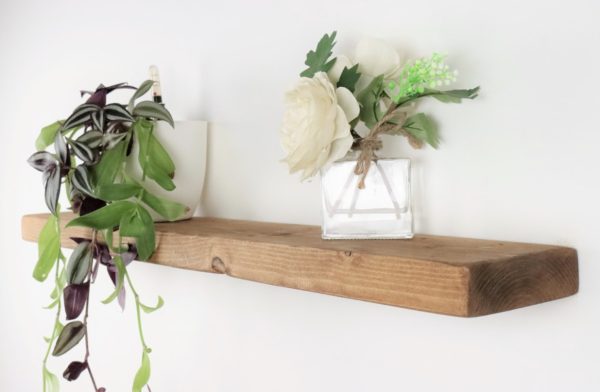 Designing storage for 2026 – A practical guide to shelving that will still make sense in ten yearsRead more
By 2026, storage is no longer treated as an afterthought. Homes are expected to work harder, adapt faster and stay...
-
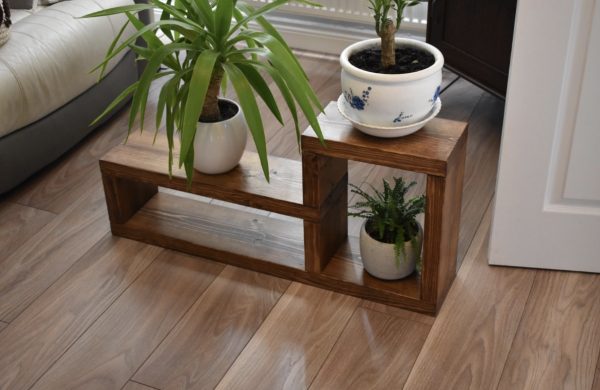 Designing for longevity – Why durability has become a design decisionRead more
For many years, interior design followed a predictable rhythm. Trends appeared, gained popularity and were quickly...
-
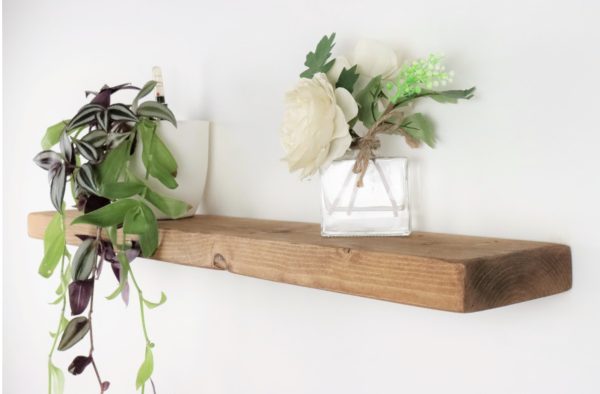 Walls as functional architecture in contemporary homesRead more
In contemporary interiors, walls are often reduced to a purely visual function. They are painted, styled or...
-
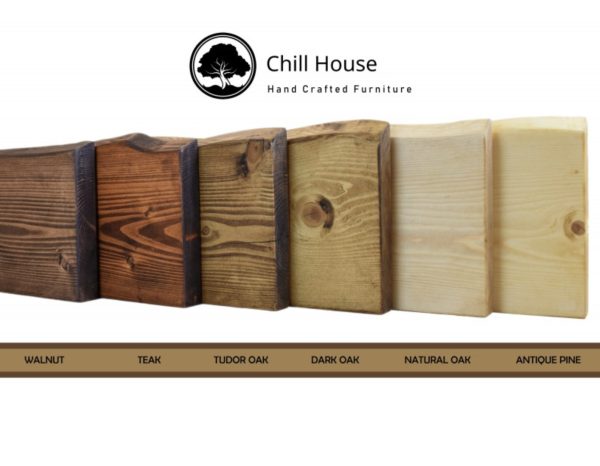 Why shelves fail and what actually makes them lastRead more
Most shelves don’t fail suddenly. They fail slowly. First they look fine, then they begin to dip slightly in the...
-
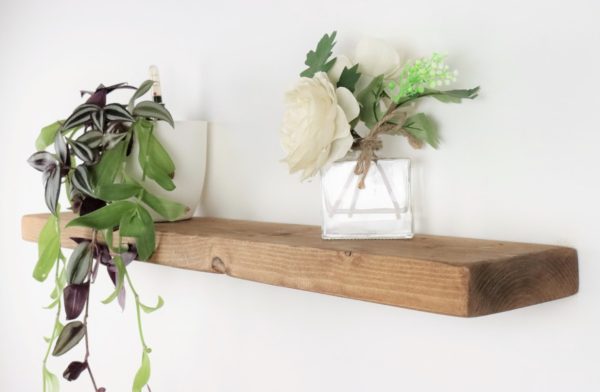 What makes a home feel finished – Even when it’s simpleRead more
There are homes that feel finished the moment you walk in, even though they are not full of furniture or decoration....
-
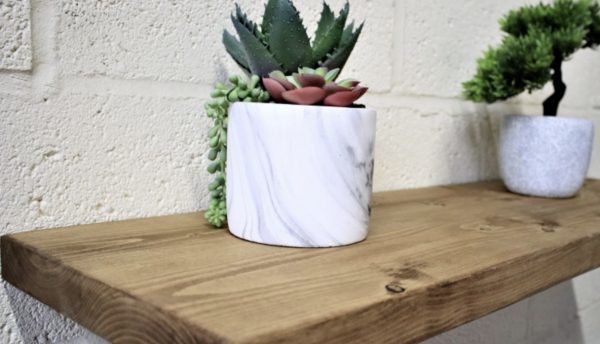 Why good shelving changes how a home feels – Even when you don’t notice itRead more
Most homes don’t feel unfinished because they lack furniture. They feel unfinished because nothing connects the space...
Blog categories
Search in blog
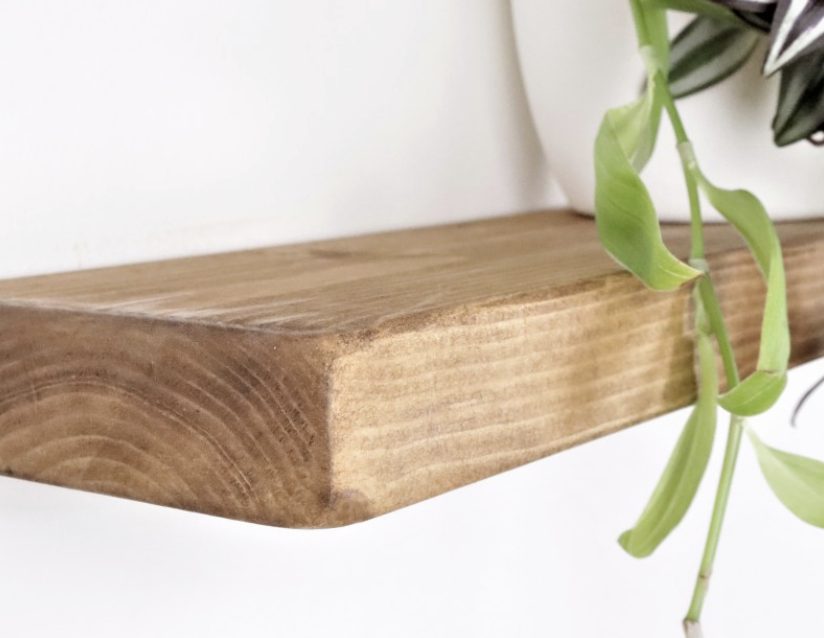
The ultimate guide to shelf height – how high should you hang your shelves?
At first glance, deciding how high to hang a shelf seems simple. You grab your drill, choose a wall, and get to work. But anyone who has ever regretted placing a shelf too high to reach, or too low so it constantly gets bumped into, knows that this small decision can have a surprisingly big impact on your daily life. Shelf height influences not only how practical the shelf is, but also how the room looks and even how you feel when you walk into it. A perfectly positioned shelf blends seamlessly into your lifestyle. A poorly placed one becomes a constant annoyance. This guide explores the often-overlooked details of shelf height, showing you how to strike the right balance between form and function.
Table of contents
- Why shelf height is more important than you think
- The ergonomic perspective – shelves you actually use
- The aesthetic perspective – shelves you mostly look at
- The psychological impact of shelf placement
- Practical guidelines by room
- Common mistakes people make when hanging shelves
- Final tips for flexible, future-proof shelving
- Summary
Why shelf height is more important than you think
When we talk about interior design, we often focus on colors, textures, and furniture. Yet shelves play a key role because they live on our walls – always in our line of sight. Their height affects how we interact with objects, how we perceive proportions in the room, and even how spacious or cluttered a space feels. A shelf too high can make ceilings look taller but will turn into dead storage space. A shelf too low may dominate the room and limit furniture placement. The sweet spot depends on who uses the room, what the shelf is meant to hold, and what atmosphere you want to create.
The ergonomic perspective – shelves you actually use
Ergonomics is all about human comfort and efficiency. If your shelf is for everyday items, like dishes in a kitchen or books in a home office, you want it to sit within your natural reach zone. For most adults, that means between 90 cm and 160 cm from the floor. Think about standing in front of the shelf: can you comfortably take something without stretching or bending awkwardly? If not, the height isn’t right. In kitchens, open shelves above counters work best when the bottom shelf starts around 40–50 cm above the countertop, leaving enough room for workspace while keeping essentials within easy grab. In bedrooms, shelves used as nightstands should align with the height of the bed for convenience. These ergonomic principles turn shelves into genuinely functional tools rather than mere decoration.
The aesthetic perspective – shelves you mostly look at
Not every shelf is meant for daily use. Sometimes they are purely decorative, holding art, plants, or keepsakes. In these cases, height becomes more about visual balance than reach. Designers often recommend aligning shelves with eye level, which is roughly 140–150 cm for most adults, to create a natural focal point. Above sofas, shelves should sit at least 25–30 cm above the backrest to avoid feeling cramped while still looking connected to the furniture. In rooms with tall ceilings, placing shelves slightly higher can draw the eye upward and emphasize vertical space. The key is harmony: a shelf that feels part of the room’s architecture, not floating awkwardly or competing with other elements.
The psychological impact of shelf placement
Believe it or not, where you place your shelves can affect how a room feels emotionally. Shelves too high can create a sense of distance, almost like the objects are “out of reach” in a literal and metaphorical sense. Lower shelves, especially ones filled with personal items, make a space feel more grounded and approachable. A symmetrical row of shelves can signal order and stability, while staggered heights add energy and creativity. In a workspace, higher shelves might subconsciously encourage focus by removing distractions from immediate reach, while in a child’s bedroom, low shelves give independence and a sense of ownership. Thinking about these subtle psychological effects can help you design not just for looks, but for how you want to feel in the room.
Practical guidelines by room
1. Living room
Shelves here often serve both functional and decorative purposes. The bottom shelf of a wall unit should usually sit at least 30 cm above the floor to avoid clashing with furniture or feeling too heavy at ground level. Floating shelves above a sofa should keep at least 25–30 cm of clearance from the back of the sofa. For gallery-style arrangements, aim to keep the center shelf or main art piece at eye level.
2. Kitchen
Functionality rules here. Everyday dishes should live on shelves that are easy to reach without a stool. A common mistake is placing them too high, turning the shelf into unused space. The best setup: bottom shelf about 40–50 cm above the countertop, leaving room for kitchen appliances below but keeping your essentials handy. Upper shelves can go higher, but reserve those for rarely used items like seasonal platters.
3. Bedroom
Simplicity works best. A floating shelf next to or above the bed can double as a nightstand, so aligning it with the top of the mattress makes it practical. Decorative shelves for books or art should sit around eye level when standing, but avoid placing heavy items above the headboard – safety matters more than symmetry.
4. Bathroom
In small bathrooms, shelves are lifesavers for storage. The bottom shelf should sit high enough to avoid splashes from the sink or tub, usually at least 60 cm above. Above-toilet shelves are common: keep the first one at least 25–30 cm above the tank lid. Since bathrooms are often tight spaces, use height strategically but don’t place shelves so high they become unreachable.
5. Entryway and hallway
These transitional spaces benefit from shelves for keys, mail, or decor. For functionality, entryway shelves should sit around 100–120 cm from the floor, comfortably within reach as you walk in. In narrow hallways, avoid placing them too low, where they could bump into shoulders or bags, or too high, where they lose purpose.
6. Office or workspace
Balance between aesthetics and function. Shelves used for files and books should sit close to desk level, around 20–30 cm above, so you can grab what you need without standing up constantly. Decorative shelves can go higher, drawing the eye upward and making the workspace feel more dynamic. Just be mindful not to overload shelves above your desk – no one wants to feel boxed in.
Common mistakes people make when hanging shelves
-
Hanging them too high – A shelf placed above natural reach often ends up unused.
-
Ignoring wall type – Fixings must suit plasterboard, brick, or tile – otherwise shelves risk collapsing.
-
Poor spacing – Shelves stacked too closely look cramped and limit what you can display.
-
Forgetting proportion – Tiny shelves on a massive wall look lost, while oversized shelves dominate small rooms.
-
Prioritizing looks over safety – Heavy decor above beds or sofas may look great but can be dangerous.
Final tips for flexible, future-proof shelving
Life changes, and so do your needs. That’s why it helps to think ahead when placing shelves. Adjustable shelving systems allow you to shift height easily. Modular designs make it simple to add or remove shelves as your lifestyle evolves. If you’re unsure, start lower rather than higher – it’s easier to build upward than to correct a shelf that’s too high. And remember, shelves don’t have to be permanent. Sometimes experimenting with temporary brackets or even leaning shelves can help you find the perfect height before committing to drilling holes in your wall.
Summary
Shelf height is one of those details that can either quietly improve your daily life or become a constant frustration. It’s not just about measurements – it’s about how you use your space, what mood you want to create, and how the shelf interacts with the rest of the room. From ergonomic considerations in the kitchen to aesthetic balance in the living room and psychological comfort in the bedroom, the right height ensures your shelves work with you rather than against you. So before you pick up the drill, take a moment to think not just about the wall, but about the life that will happen around those shelves. That reflection is what transforms a simple board into a meaningful part of your home.
Posted in:
Default category
Related posts
-
 5 creative ways to style wooden shelves in Your home
Wooden shelves can bring a whole new vibe to your room. With a few creative ideas, even the plainest shelf can become...Read more
5 creative ways to style wooden shelves in Your home
Wooden shelves can bring a whole new vibe to your room. With a few creative ideas, even the plainest shelf can become...Read more -
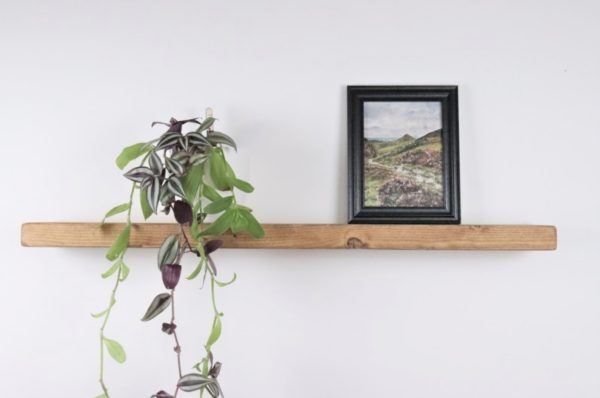 No more boring shelves - here’s how to make them look amazing
At Chill House, we’re all about making spaces feel cozy, stylish, and effortless. And one of the easiest ways to do...Read more
No more boring shelves - here’s how to make them look amazing
At Chill House, we’re all about making spaces feel cozy, stylish, and effortless. And one of the easiest ways to do...Read more -
 Why your home doesn’t feel right and how to fix i
Sometimes, you walk into a room and feel like something is missing. Maybe it looks too empty, too cluttered, or just...Read more
Why your home doesn’t feel right and how to fix i
Sometimes, you walk into a room and feel like something is missing. Maybe it looks too empty, too cluttered, or just...Read more -
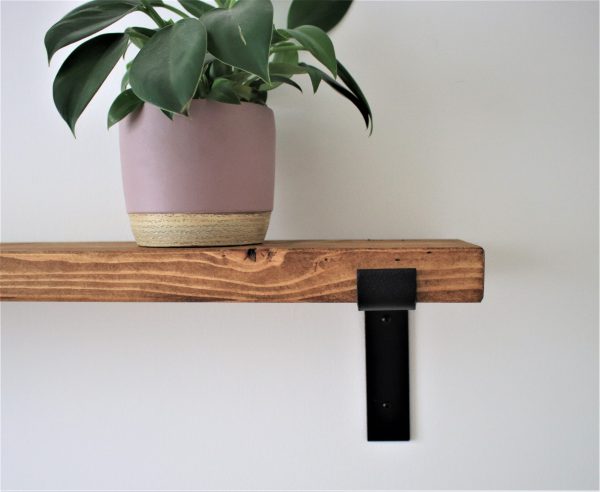 How to make your home feel more stylish without spending a fortune
You don’t need a huge budget to make your home look stylish and inviting. With a few smart tricks, you can refresh...Read more
How to make your home feel more stylish without spending a fortune
You don’t need a huge budget to make your home look stylish and inviting. With a few smart tricks, you can refresh...Read more -
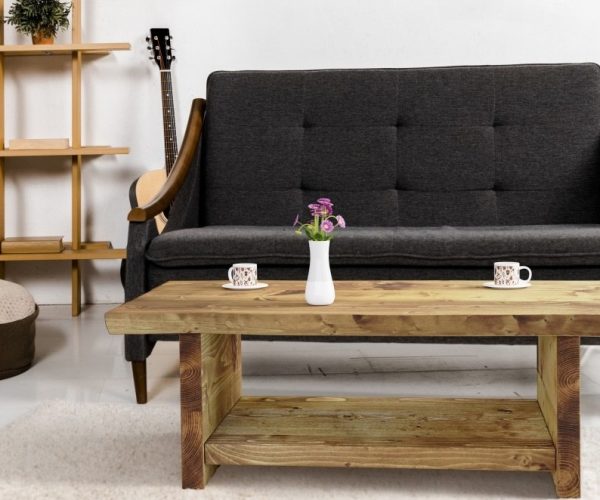 How to transform any corner into a cozy reading have
There’s something magical about curling up with a good book in a cozy nook. Whether you’re escaping into a novel or...Read more
How to transform any corner into a cozy reading have
There’s something magical about curling up with a good book in a cozy nook. Whether you’re escaping into a novel or...Read more
Every Chill House shelf is handmade to your length in our Middlesbrough workshop, with free UK delivery.
Leave a comment