
Most shelves look stable on the day they are installed. They appear straight, level and secure. The illusion of...
- There are no more items in your cart
- Shipping
- Total £0.00
Latest posts
-
 Why some shelves fail over time: A structural perspective on design, load and longevityRead more
 -
 Wall-mounted storage in modern homes: How to design shelves that improve space instead of overloading itRead more
Modern interiors are moving away from heavy, floor-based storage. Large cabinets, tall units and bulky shelving...
-
 The architecture of shelving: How wall storage shapes space, structure and everyday livingRead more
Shelves are often treated as accessories. They are added at the end of a project, once the walls are painted and the...
-
 Design that lasts – What Valentine’s Day can teach us about choosing betterRead more
Valentine’s Day is often reduced to a single moment. A gift, a gesture, a short-lived expression meant to capture...
-
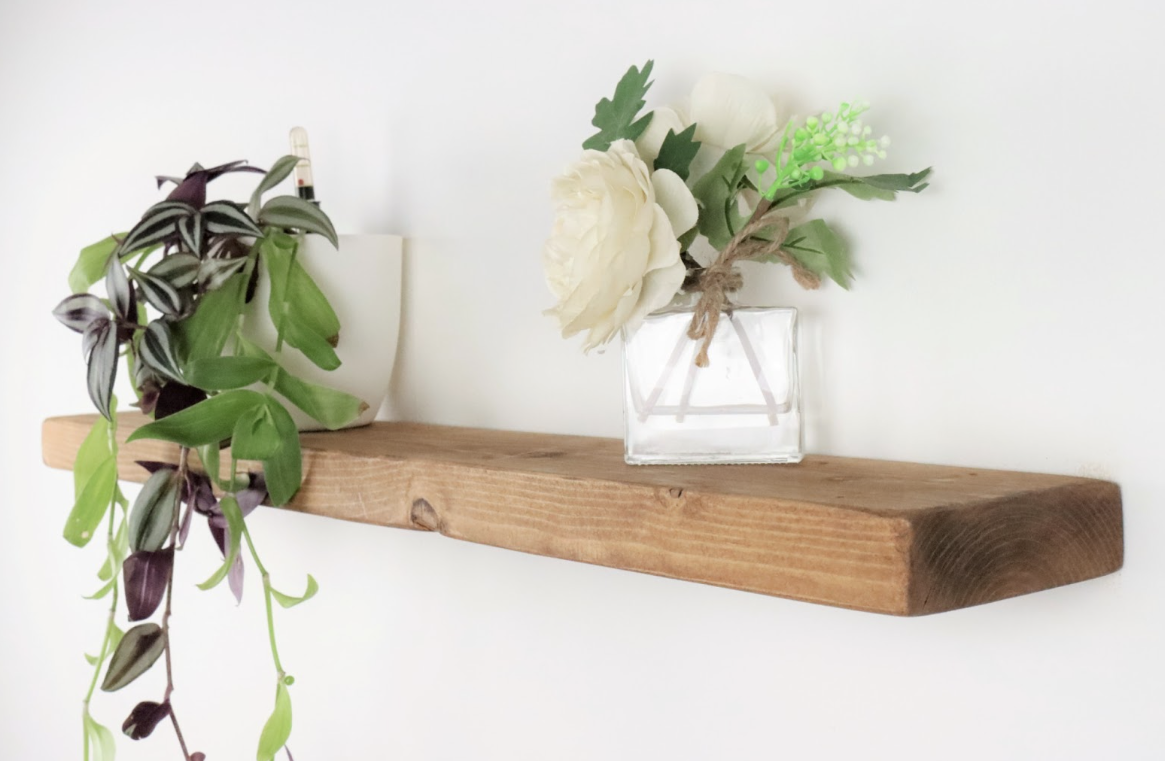 Designing storage for 2026 – A practical guide to shelving that will still make sense in ten yearsRead more
By 2026, storage is no longer treated as an afterthought. Homes are expected to work harder, adapt faster and stay...
-
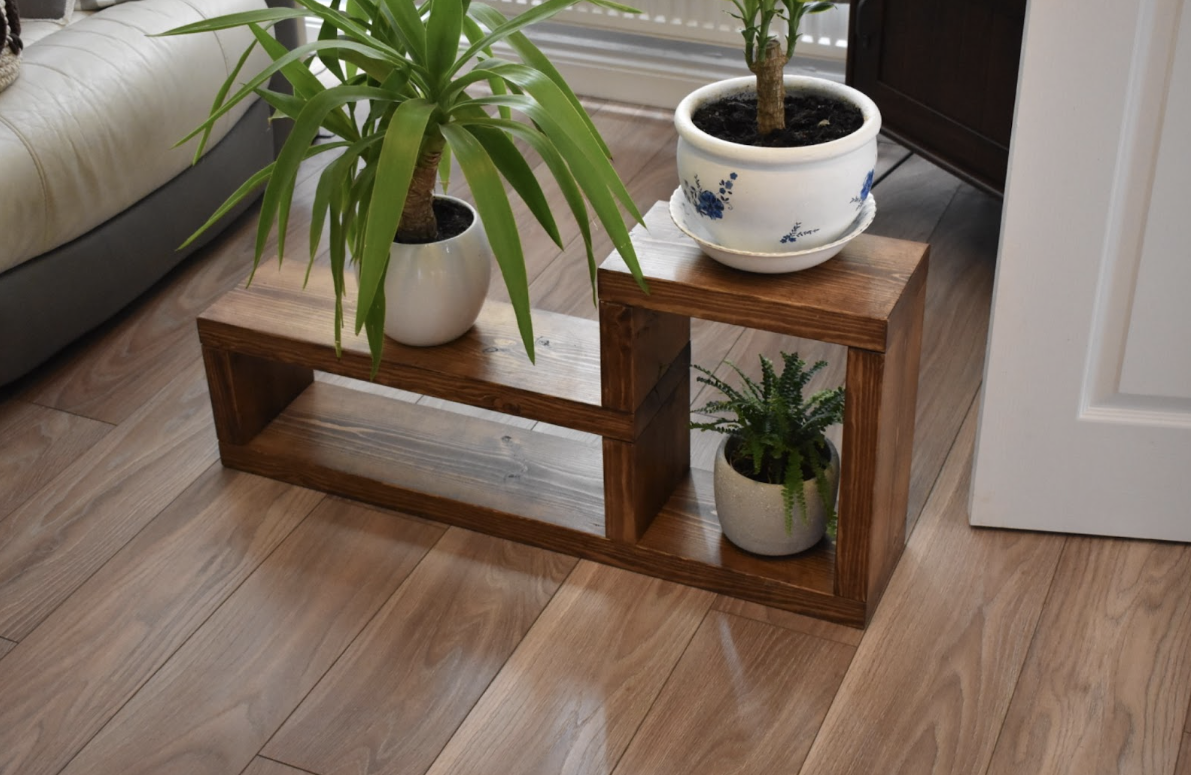 Designing for longevity – Why durability has become a design decisionRead more
For many years, interior design followed a predictable rhythm. Trends appeared, gained popularity and were quickly...
-
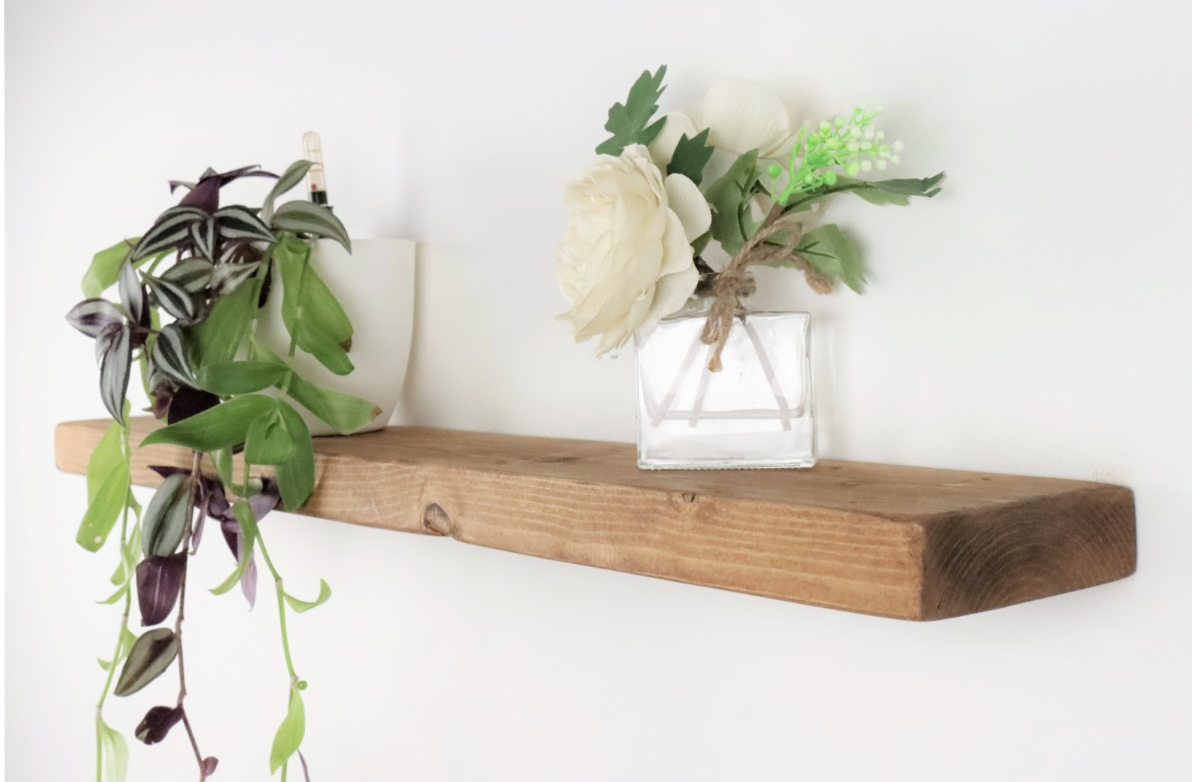 Walls as functional architecture in contemporary homesRead more
In contemporary interiors, walls are often reduced to a purely visual function. They are painted, styled or...
-
 Why shelves fail and what actually makes them lastRead more
Most shelves don’t fail suddenly. They fail slowly. First they look fine, then they begin to dip slightly in the...
-
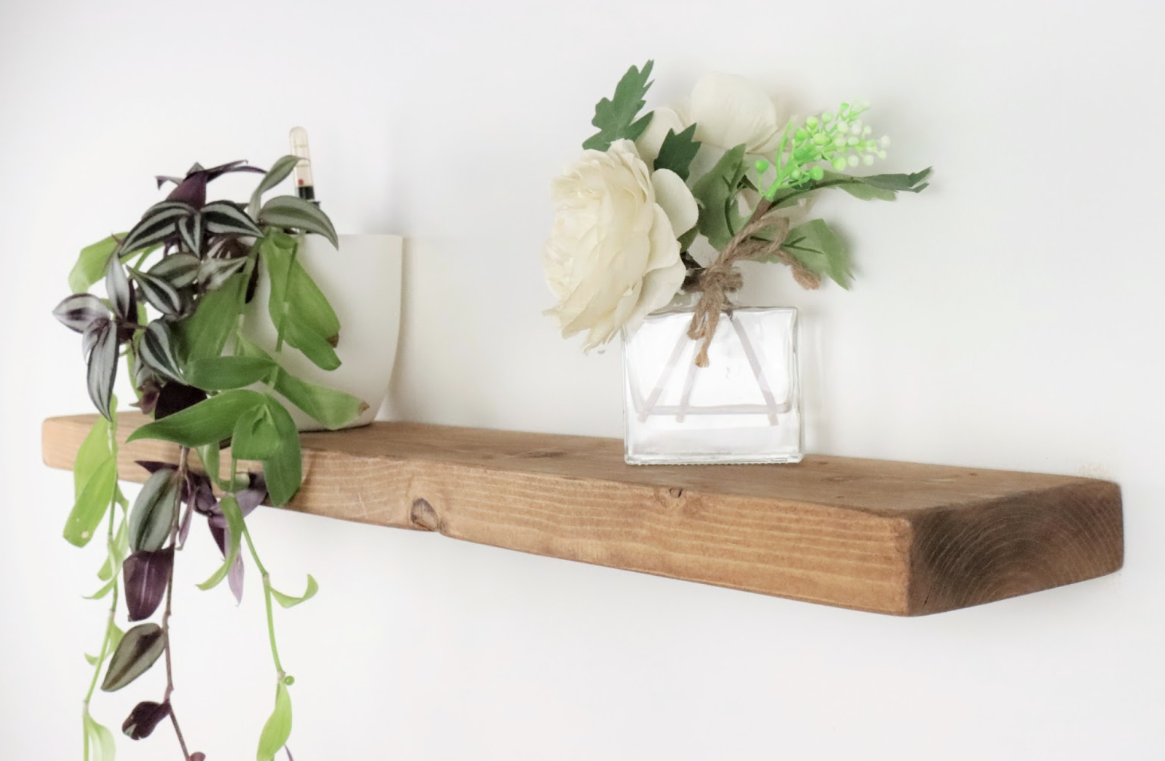 What makes a home feel finished – Even when it’s simpleRead more
There are homes that feel finished the moment you walk in, even though they are not full of furniture or decoration....
-
 Why good shelving changes how a home feels – Even when you don’t notice itRead more
Most homes don’t feel unfinished because they lack furniture. They feel unfinished because nothing connects the space...
Blog categories
Search in blog
The hidden power of shelves in modern homes
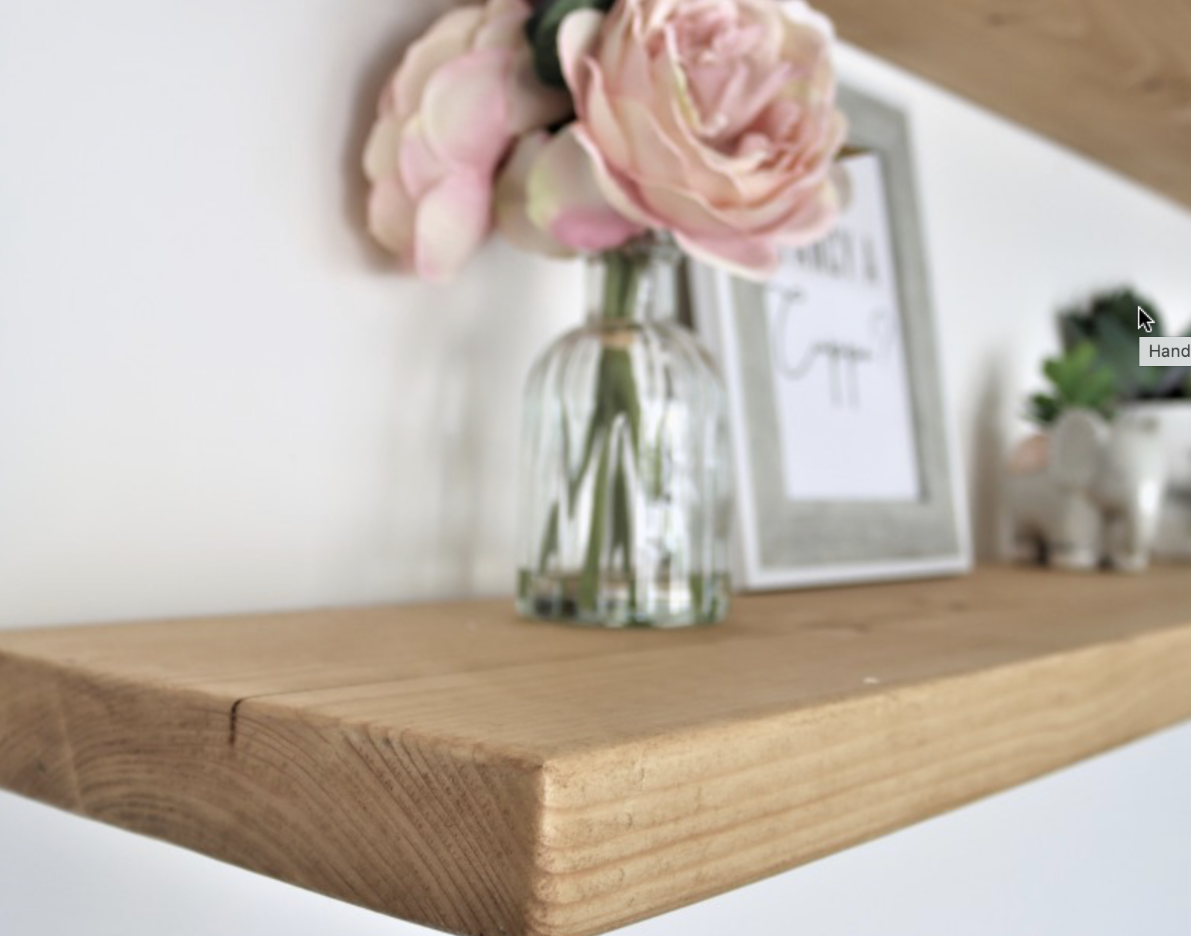
When we think about home design, shelves rarely come first to mind. Most of us picture sofas, tables, or lighting as the main elements that shape a room, while shelves are often treated as background or simply functional storage. Yet the truth is very different. Shelves influence the way we use space, how we display what matters most to us, and even how comfortable and harmonious a room feels. In modern interiors where every detail counts, shelves are no longer just places to keep books or mugs but have become powerful tools for design, self-expression, and daily living.
Table of contents
- More than storage – why shelves shape our spaces
- The role of shelves in design and style
- Function meets emotion – shelves as memory keepers
- Practical impact on everyday life
- Sustainability and the future of shelving
- Final thoughts
More than storage – why shelves shape our spaces
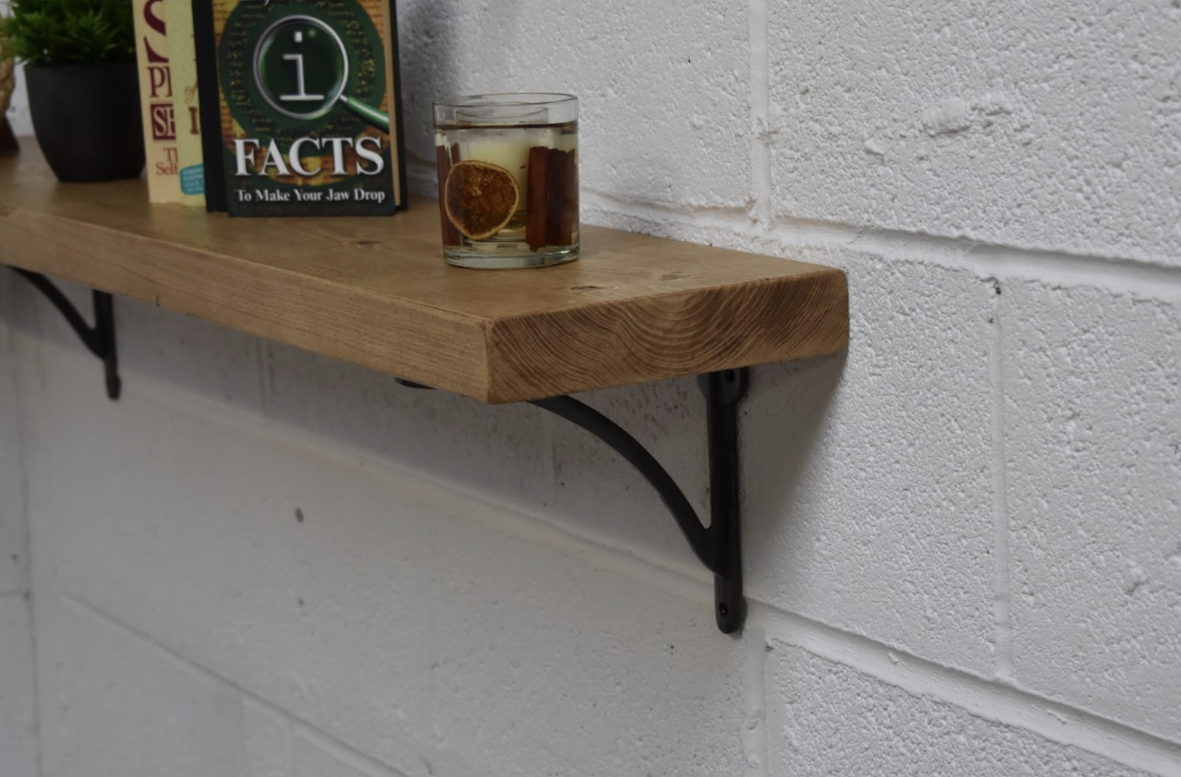
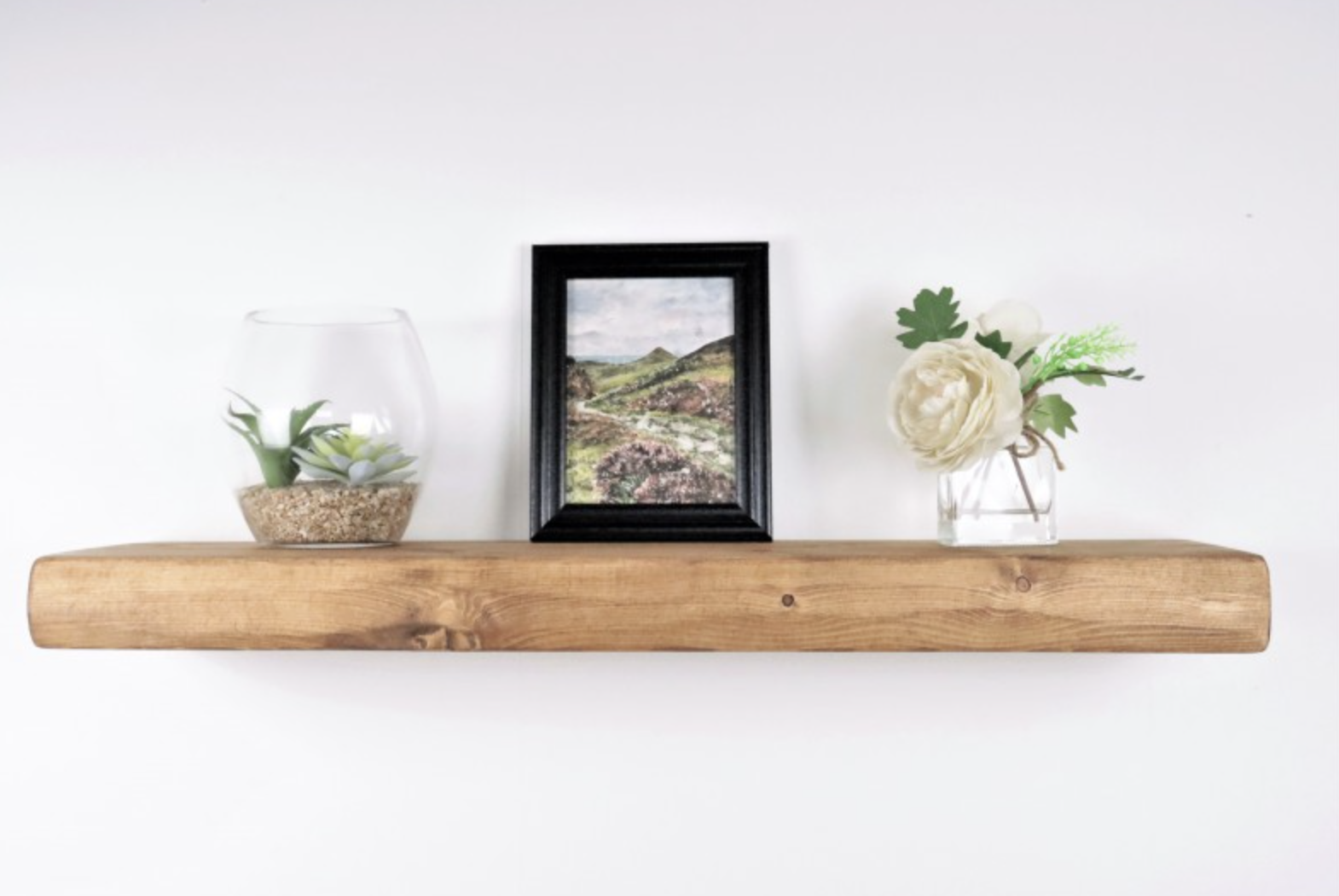
At first glance, shelves seem to be about practicality: a place to put things so they don’t clutter the floor or countertops. But when you look closer, you see how much they actually shape the architecture of a room. A row of floating wooden shelves can soften the rigidity of a bare wall, while a built-in bookcase can add height and presence, making a room appear taller and more balanced. The placement, size, and materials of shelves define how our eyes move across a space. They also decide how we interact with our environment, because where we store and display our objects influences how we move, what we reach for, and what feels accessible. In that sense, shelves don’t just hold our belongings—they frame the way we live.
The role of shelves in design and style
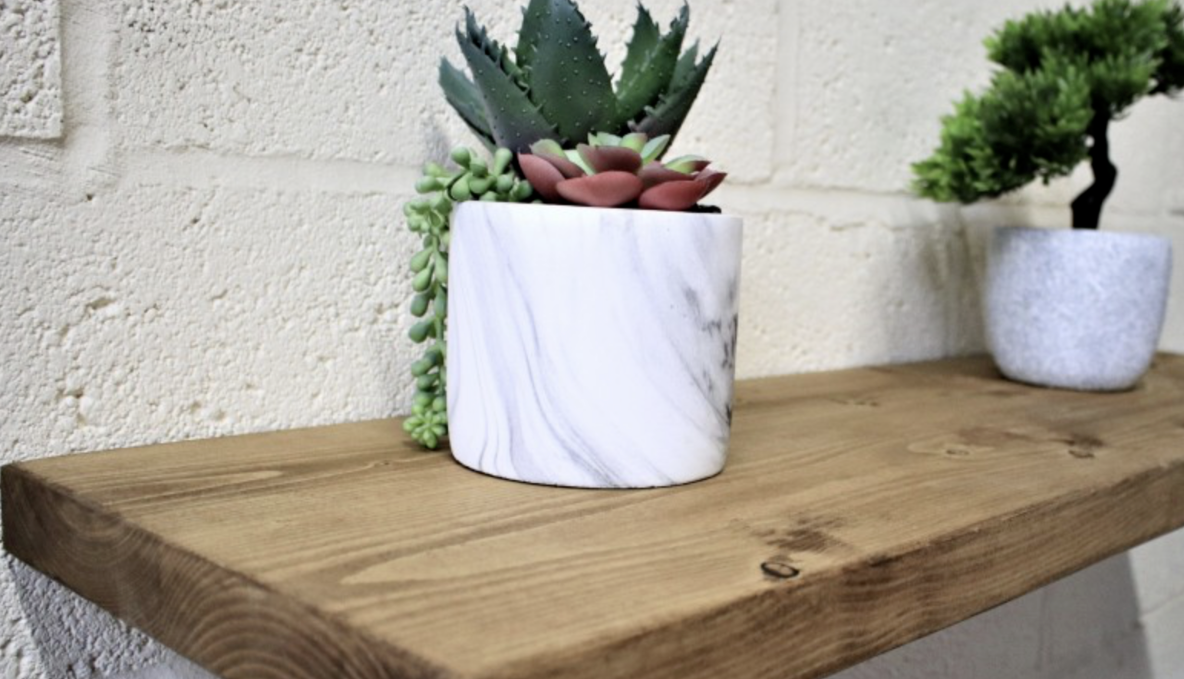
Designers often talk about balance, rhythm, and harmony, and shelves are essential in creating all three. They allow us to layer textures, combine colors, and play with proportions in a way that transforms ordinary walls into curated displays. A living room with empty walls can feel cold, while the same room with carefully arranged shelves instantly feels warmer and more complete. Materials matter as much as objects: oak shelves add timeless warmth, metal shelves bring an industrial edge, while painted finishes can tie together a specific color palette. Open shelving in kitchens has become particularly popular, not only because it provides quick access but also because it adds openness and character that closed cabinets cannot match. In bedrooms, a minimal floating shelf can replace bulky furniture and make the room feel more spacious. Even in bathrooms, a small shelf with candles, plants, and neatly arranged essentials changes the mood from purely functional to spa-like. In every case, shelves act as a canvas for design, allowing us to combine aesthetics with function.
Function meets emotion – shelves as memory keepers
There is also a more personal side to shelves that often goes unnoticed. They become a stage for the things we care about most – framed photographs, books we return to, souvenirs from travels, or even small objects that hold sentimental value. Unlike closed cabinets, shelves put these items in sight, reminding us daily of experiences, people, and ideas that shape our identity. This emotional connection makes shelves powerful because they are not only storage but also storytelling devices. A shelf full of cookbooks in a kitchen speaks of a passion for food and creativity, while a shelf with art, ceramics, or vintage finds communicates taste, personality, and lifestyle. In a way, shelves are like open journals: they share something about us with anyone who enters the room while keeping us grounded in our own story.
Practical impact on everyday life
Beyond aesthetics and emotion, shelves have an undeniable effect on how smoothly we live. A well-placed shelf by the entrance keeps keys, mail, and essentials in one place, reducing stress when leaving the house. In workspaces, shelves help organize documents and tools, making productivity easier. In children’s rooms, shelves placed at different heights not only encourage independence but also help create safe, organized zones. Even acoustics in a room can be improved with shelves, as books and wooden surfaces naturally absorb sound, reducing echo. By simply adjusting their height and placement, shelves can either make a room more efficient or more relaxing, depending on what we need. This practical influence shows why choosing the right shelving solution is about much more than looks.
Sustainability and the future of shelving
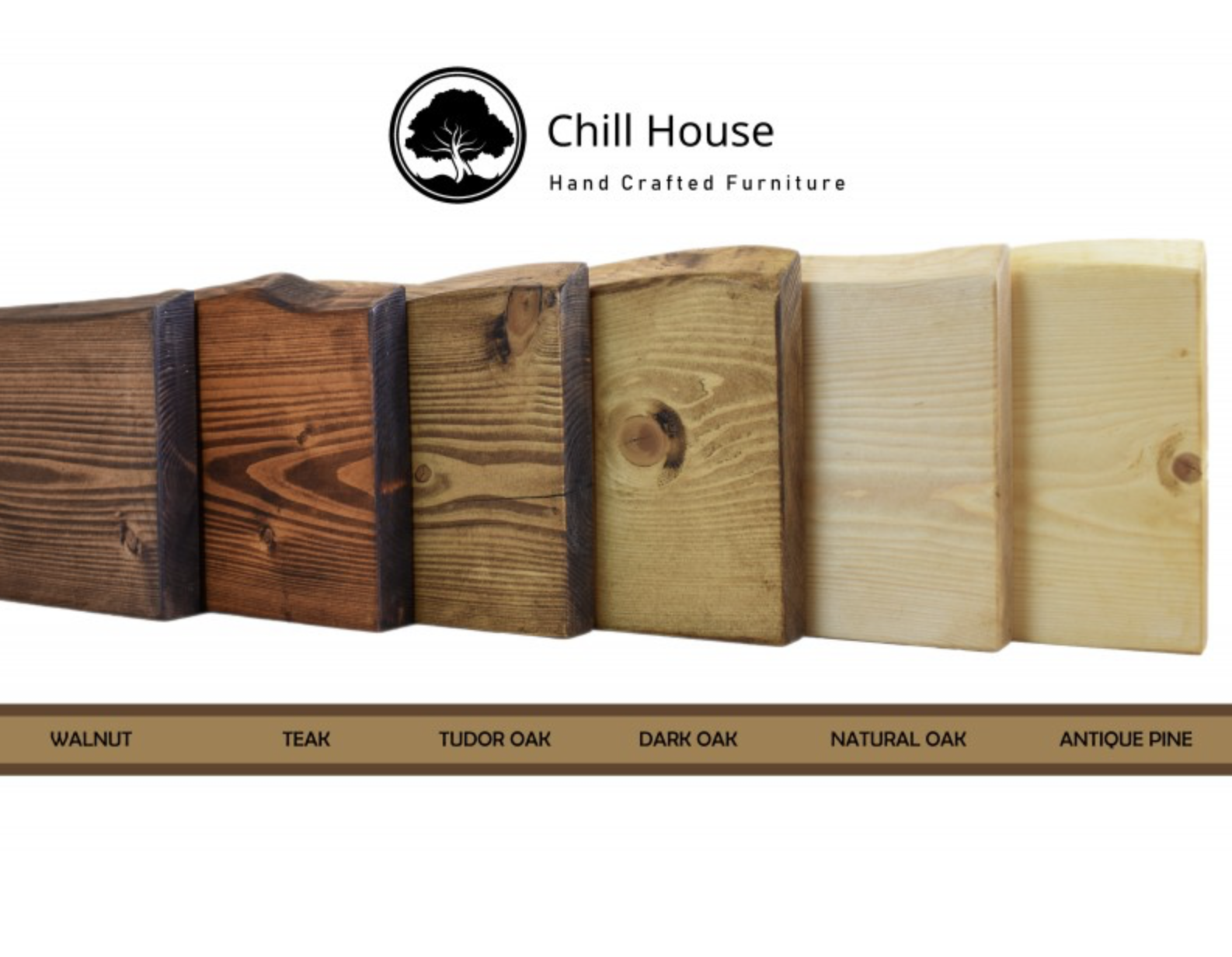
As awareness of sustainability grows, shelves have also entered the conversation about conscious design. Many people now choose solid wood shelves finished with natural oils or waxes instead of synthetic materials, not only because they last longer but also because they age beautifully. A well-made shelf can serve a home for decades, often being repurposed or moved to new spaces, unlike cheaper mass-produced alternatives that end up in landfills. Modular shelving systems are also gaining popularity, offering flexibility to adapt to changing needs without waste. Looking ahead, shelves will likely continue to evolve as multifunctional, customizable pieces that support both sustainable living and creative expression.
Final thoughts
It is easy to underestimate shelves because they quietly blend into our homes, yet when we look closely, we realize they are one of the most versatile and meaningful elements of interior design. They influence style, shape how we experience our rooms, and allow us to display the things that make us who we are. They also play a practical role in keeping our lives organized and even contribute to sustainability when chosen with care. In modern homes, shelves are not just background elements but central features that bring together function, beauty, and personality. Next time you look at your walls, consider what story your shelves are telling – because whether you notice it or not, they are already shaping the way you live.
Posted in:
Default category
Related posts
-
 5 creative ways to style wooden shelves in Your home
Wooden shelves can bring a whole new vibe to your room. With a few creative ideas, even the plainest shelf can become...Read more
5 creative ways to style wooden shelves in Your home
Wooden shelves can bring a whole new vibe to your room. With a few creative ideas, even the plainest shelf can become...Read more -
 No more boring shelves - here’s how to make them look amazing
At Chill House, we’re all about making spaces feel cozy, stylish, and effortless. And one of the easiest ways to do...Read more
No more boring shelves - here’s how to make them look amazing
At Chill House, we’re all about making spaces feel cozy, stylish, and effortless. And one of the easiest ways to do...Read more -
 Why your home doesn’t feel right and how to fix i
Sometimes, you walk into a room and feel like something is missing. Maybe it looks too empty, too cluttered, or just...Read more
Why your home doesn’t feel right and how to fix i
Sometimes, you walk into a room and feel like something is missing. Maybe it looks too empty, too cluttered, or just...Read more -
 How to make your home feel more stylish without spending a fortune
You don’t need a huge budget to make your home look stylish and inviting. With a few smart tricks, you can refresh...Read more
How to make your home feel more stylish without spending a fortune
You don’t need a huge budget to make your home look stylish and inviting. With a few smart tricks, you can refresh...Read more -
 How to transform any corner into a cozy reading have
There’s something magical about curling up with a good book in a cozy nook. Whether you’re escaping into a novel or...Read more
How to transform any corner into a cozy reading have
There’s something magical about curling up with a good book in a cozy nook. Whether you’re escaping into a novel or...Read more
Leave a comment